What Is Single-Port Closed Lung Surgery (Uniportal VATS)?
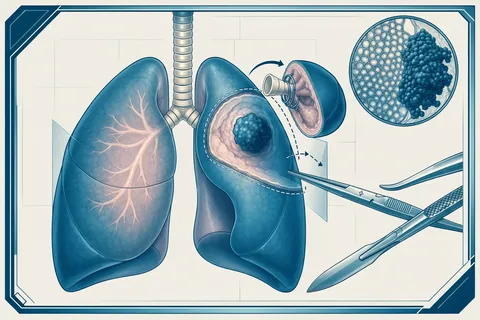
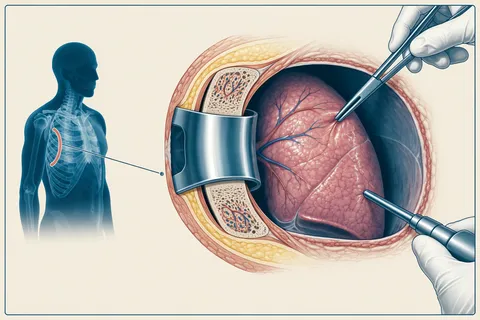
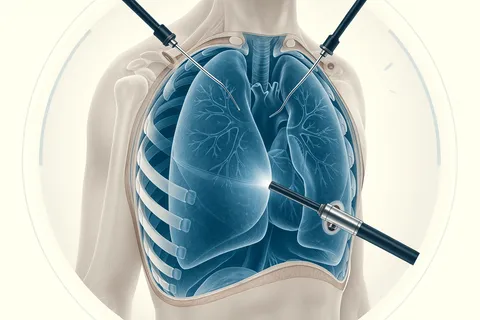
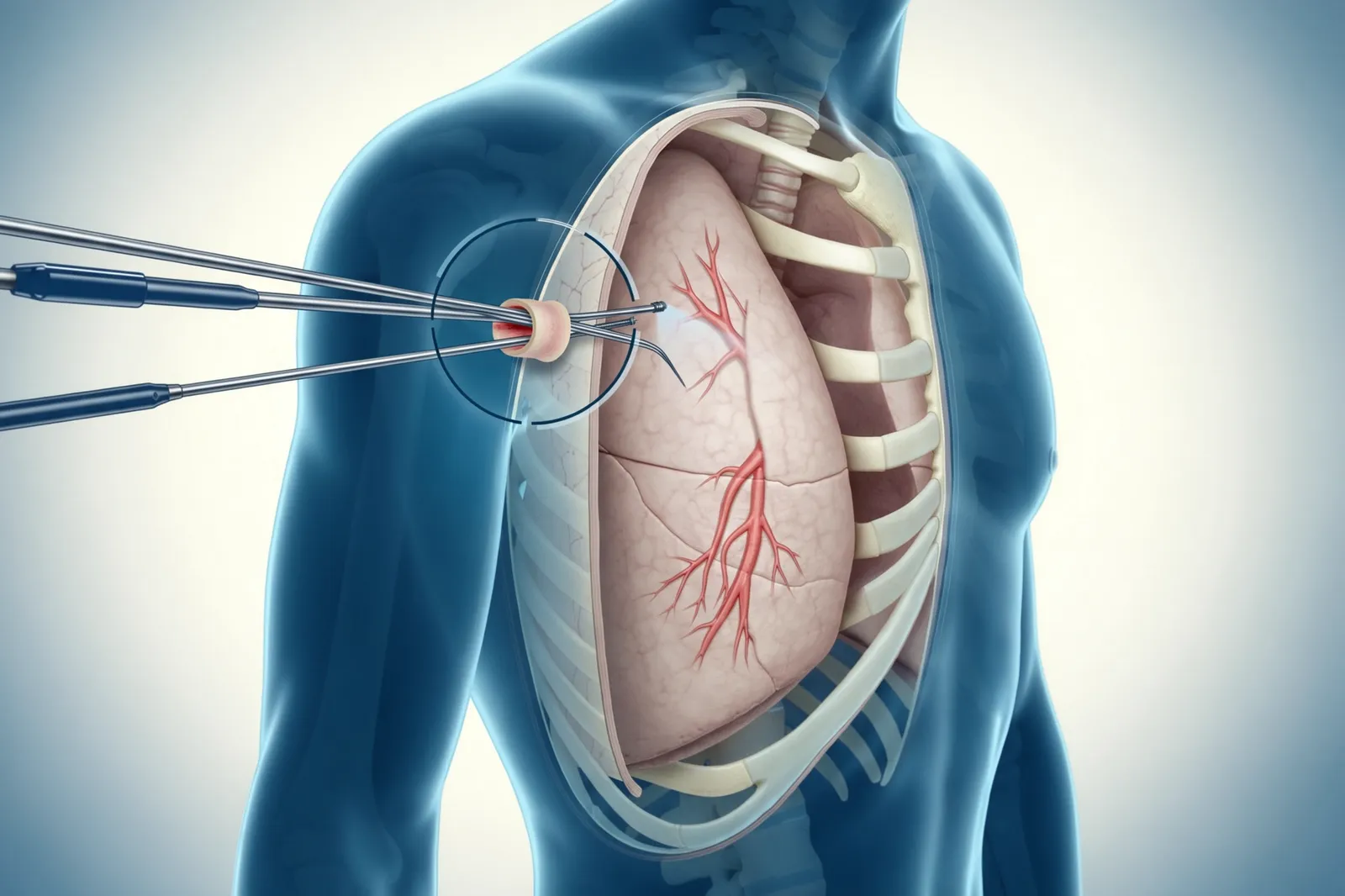
Single-port closed lung surgery is one of the advanced minimally invasive surgical methods used in thoracic surgery. In this technique, referred to in the international literature as Uniportal VATS (Uniportal Video-Assisted Thoracic Surgery) or Single-Port VATS, the operation is performed using a camera and surgical instruments through a single small incision made in the chest wall.
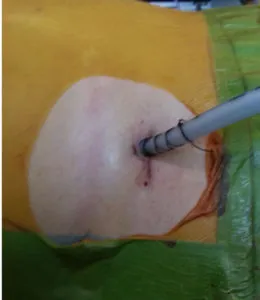
One of the most important advantages of this method is that, unlike open lung surgery, the ribs do not need to be spread widely apart. With surgery performed through a single incision, postoperative pain can be reduced, the return to daily life can be faster and better cosmetic results can be achieved, without compromising the oncological effectiveness of the operation.
Today, in experienced centers, single-port closed lung surgery can be safely used for lung cancer, benign lung nodules, metastatic lung tumors, pleural diseases, pneumothorax, mediastinal masses and many other thoracic surgery conditions.
What Is Single-Port Closed Lung Surgery?
Single-port closed lung surgery is a minimally invasive surgical technique in which the chest cavity is entered through a single incision, usually 2 to 5 centimeters long. The operation is carried out through this incision using a high-resolution camera system and special surgical instruments.
Is Single-Port Closed Lung Surgery as Successful as Open Surgery?
One of the most frequently asked questions in thoracic surgery is whether single-port closed lung surgery is as safe and effective as open surgery.
Current scientific studies show that, with appropriate patient selection and when performed by experienced surgeons, single-port closed lung surgery can achieve oncological results similar to open surgery, particularly in lung cancer surgery. Basic oncological principles, such as complete removal of the cancerous tissue, preservation of surgical margins and the necessary lymph node dissection, can be fully applied with this method as well.
The main difference between single-port closed surgery and open surgery lies less in treatment success than in the patient's recovery after surgery. Because the ribs are not spread widely and a smaller incision is used, many patients may have less pain after surgery, a shorter hospital stay and a faster return to daily life.
However, the most important point to remember is that not every patient may be suitable for single-port closed surgery. The surgical method should be determined by taking into account the features of the disease, the location of the tumor and the patient's overall condition.
What Are the Advantages of Single-Port Closed Lung Surgery?
The main aim of single-port closed lung surgery is to make the patient's recovery easier without compromising the effectiveness of surgical treatment. Using only one small incision in the chest wall and not spreading the ribs widely may cause less surgical trauma than open surgery.
When performed in suitable patients, the main advantages that single-port closed lung surgery may offer are:
- A smaller surgical incision
- Better preservation of the chest wall muscles and soft tissues
- Less pain after surgery
- Being able to get up and move earlier
- A shorter hospital stay
- A faster return to daily life and work
- Better cosmetic results due to a smaller surgical scar
- Being able to start breathing exercises earlier
The extent of these advantages may vary depending on the patient's age, overall health, the extent of the operation and any coexisting conditions. The same recovery should not be expected in every patient.
Who Can Have Single-Port Closed Lung Surgery?
With appropriate patient selection, single-port closed lung surgery can be used for many thoracic surgery conditions. However, the most important criterion in choosing the surgical method is providing the patient with the safest and most effective treatment.
In experienced centers, this method can be used in the following situations:
- Early-stage lung cancer
- Benign lung nodules
- Lung metastases
- Pneumothorax (collapsed lung)
- Pleural diseases
- Lung biopsies
- Mediastinal masses
- Thymoma and other selected thymus gland tumors
- Some diaphragm and chest wall diseases
Single-incision surgery may not be suitable for every condition. The most appropriate surgical method is decided by evaluating the size and location of the tumor, its relationship to surrounding tissues and the patient's overall health.
Can Single-Port Closed Lung Surgery Be Used for Lung Cancer?
Yes. Today, when performed by experienced thoracic surgery teams, single-port closed lung surgery can be used safely in lung cancer surgery.
Scientific studies, particularly in early-stage lung cancer, show that in suitable patients, surgery performed through a single incision can achieve oncological results similar to open surgery. Basic principles of cancer surgery, such as complete removal of the cancerous tissue, adequate surgical margins and systematic lymph node dissection, can also be applied with this method.
The important point here is that the priority is always the success of the cancer treatment. The surgical approach should be chosen not based on incision size alone, but according to the method that will provide the most appropriate oncological treatment for the patient.
Is Single-Port Closed Lung Surgery Safe?
Single-port closed lung surgery is considered a safe surgical method when performed in suitable patients by surgeons experienced in this technique.
For a good outcome, not only the surgical technique but also the preoperative evaluation, correct patient selection, adherence to oncological principles during surgery and postoperative care are very important.
As with any surgical procedure, this method also carries risks such as bleeding, infection, air leak or anesthesia-related complications. However, these risks vary depending on the extent of the operation and the patient's overall health.
Recovery After Single-Port Closed Lung Surgery
Recovery after single-port closed lung surgery may vary depending on the extent of the operation and the patient's overall health.
After surgery, the aim is to get patients up and moving as soon as possible and to start breathing exercises. These measures help the lungs return to full capacity and also help reduce the risk of complications after surgery.
The chest tube is removed when the lung has fully expanded and the air leak has stopped. Most patients can gradually return to their daily activities after discharge. The time to full recovery may vary depending on the extent of the operation, but it is clearly shorter than after open surgery.
What Should I Pay Attention to After Single-Port Closed Lung Surgery?
After surgery, it is important to take the medications recommended by your doctor regularly and not to miss follow-up visits.
The following recommendations should be followed during recovery:
- Doing breathing exercises regularly
- Increasing physical activity with daily walks
- Quitting smoking completely
- Eating a balanced and adequate diet
- Avoiding sudden and heavy physical strain
For patients who have surgery for lung cancer, a medical oncology evaluation may also be needed depending on the pathology result.
Is Single-Port Closed Lung Surgery Suitable for Every Patient?
No. Although single-port closed surgery is a suitable option for many patients, it may not be possible in every patient.
A large tumor, spread to surrounding tissues or large blood vessels, dense adhesions from previous operations or certain anatomical features of the patient may require different surgical approaches.
The main aim in choosing the surgical method is not to operate through the smallest possible incision, but to offer the patient the safest and most effective treatment. For this reason, surgical planning should be done individually for each patient.
Success in Surgery Is Determined Not by the Number of Incisions, but by Choosing the Right Method for the Right Patient
Thanks to technological advances in thoracic surgery in recent years, many lung operations can now be performed with the single-port closed method. However, the most important point to emphasize here is that a single incision is not, on its own, a measure of success. The main aim of surgery is always to treat the disease in the safest and most effective way.
Single-port closed lung surgery is a modern surgical approach that, in suitable patients, makes it possible to maintain all the oncological principles applied in open surgery. In lung cancer surgery in particular, complete removal of the tumor, adequate surgical margins and thorough evaluation of the necessary lymph nodes are the main goals.
The most important contribution of minimally invasive surgery is that it can reduce the surgical trauma to the chest wall without compromising these oncological goals. As a result, in suitable patients, pain after surgery may be less, breathing function may recover more quickly and patients may return to daily life sooner. However, correct patient selection is very important for these advantages to be achieved.
Not every lung disease or every lung cancer can be operated on with the single-port closed method. The most appropriate surgical approach should be determined by evaluating the location and size of the tumor, its relationship to surrounding tissues and the patient's overall health together. When necessary, open surgery or other minimally invasive techniques may be a safer option for the patient.
The aim in thoracic surgery is not to operate through the smallest possible incision, but to provide the patient with the most appropriate surgical treatment in the safest way. Single-port closed lung surgery is one of the important surgical methods that helps achieve this goal when the right patient is selected.
Prof. Dr. Erdal Okur
Thoracic Surgeon
Frequently Asked Questions
What is single-port closed lung surgery?
Single-port closed lung surgery is a minimally invasive thoracic surgery method performed using a camera and special surgical instruments through a single small incision made in the chest wall. In the international literature, it is also called Uniportal VATS or Single-Port VATS.
What is the difference between single-port closed lung surgery and open surgery?
In open lung surgery, a larger incision is made and the ribs are spread apart, while in the single-port closed method the operation is performed through a single small incision of 2 to 5 cm. In suitable patients, pain after surgery may be less, the hospital stay may be shorter and the return to daily life may be faster.
Is single-port closed lung surgery safe?
Yes. When the right patient is selected and the operation is performed by experienced thoracic surgeons, it is a safe and effective surgical method.
Can single-port closed lung surgery be used for lung cancer?
Yes. In suitable patients, especially those with early-stage disease, lung cancer surgery can be performed with the single-port closed method.
Can every lung cancer be operated on through a single incision?
No. The choice of surgical method depends on the size and location of the tumor, its relationship to surrounding tissues and the patient's overall health.
How many hours does single-port closed lung surgery take?
The length of the operation depends on the extent of the procedure. Simple procedures may take about 1 hour, while anatomical resections and more complex operations may take 2-4 hours.
How many days will I stay in the hospital after single-port closed lung surgery?
The length of the hospital stay depends on the extent of the operation and the speed of recovery. For most patients it is about 3-4 days and may be shorter than after open surgery.
Is there pain after single-port closed lung surgery?
Some degree of pain is normal after any operation. However, in single-port closed surgery, many patients may feel milder pain than after open surgery.
When can I return to normal life after single-port closed lung surgery?
Although recovery varies depending on the extent of the operation, many patients can return to their daily activities within a short time. A return to heavy physical activity should be planned according to the doctor's advice.
Will the surgical scar be large after single-port closed lung surgery?
No. The surgery is usually performed through a single 2 to 5 centimeter incision in the chest wall. Because the incision is usually located near the armpit, it may become less noticeable over time.
Which conditions is single-port closed lung surgery used for?
It can be used in suitable patients with lung cancer, benign lung nodules, lung metastases, pneumothorax, pleural diseases, mediastinal masses, thymoma and some other thoracic surgery conditions.
What are the risks of single-port closed lung surgery?
Bleeding, infection, air leak and anesthesia-related complications may occur. The level of risk varies depending on the patient's overall health and the extent of the operation.
What is the difference between single-port closed lung surgery and robotic surgery?
Both methods are minimally invasive surgery. In the single-port closed method, the operation is performed through a single incision, while in robotic surgery the robotic arms are usually inserted into the chest cavity through 4 or 5 separate incisions. Which method is preferred is decided for each patient.
Are Uniportal VATS and Single-Port VATS the same method?
Yes. Uniportal VATS, Single-Port VATS and single-incision closed lung surgery are different names for the same surgical approach.
The closed (VATS) method for lung cancer surgery was first used in Turkey by a team that included Prof. Dr. Erdal Okur, and the first study on these operations was published in the article below. In this sense, Prof. Dr. Erdal Okur and his team pioneered the treatment of lung cancer with the closed method in Turkey.

Prof. Dr. Erdal Okur · Thoracic Surgery
BiographyDo you have a question about this topic? Ask a question