
What Are the Main Differences Between Lung Surgery Methods?
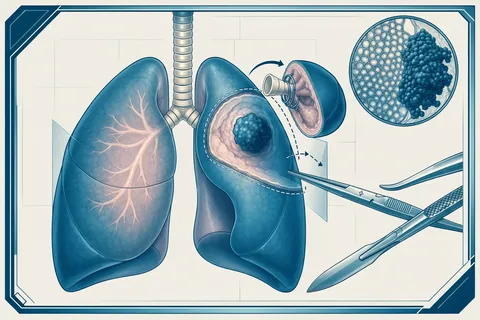
The main difference between the methods used in lung surgery is how the surgeon reaches the chest cavity and which viewing approach is used during the operation.
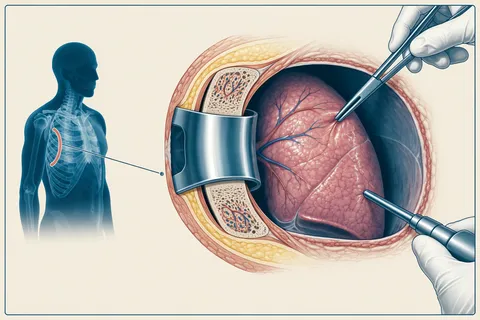
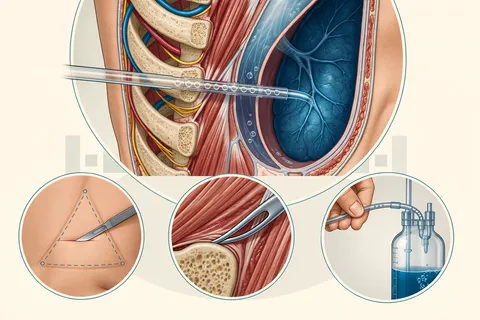
In open lung surgery, the chest cavity is accessed directly through a surgical incision called a thoracotomy. The surgeon performs the procedure by viewing the surgical area directly and, when needed, assessing it by hand. An open approach may be preferred in some complex surgical situations.
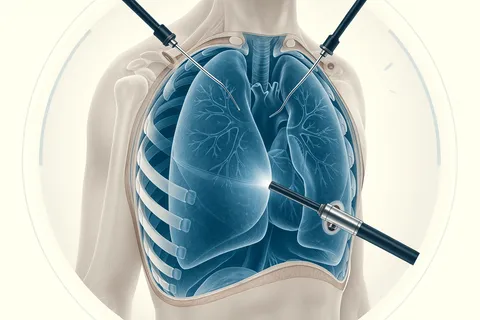
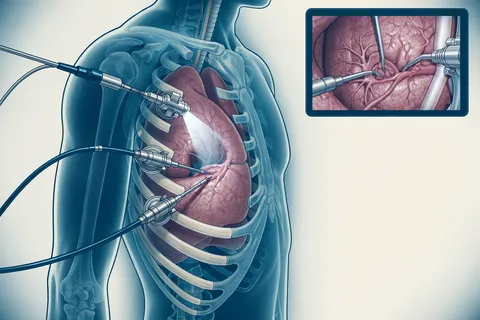
In closed lung surgery, the chest cavity is reached through smaller incisions, and a camera and special surgical instruments are used. The surgeon watches the operating field on a monitor.
VATS is the name of the video-assisted surgical technique used in minimally invasive thoracic surgery. VATS operations can be performed in different ways depending on the number of incisions used.
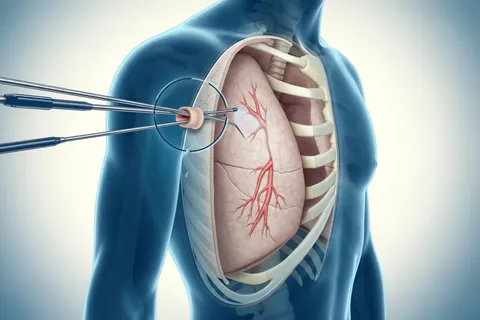
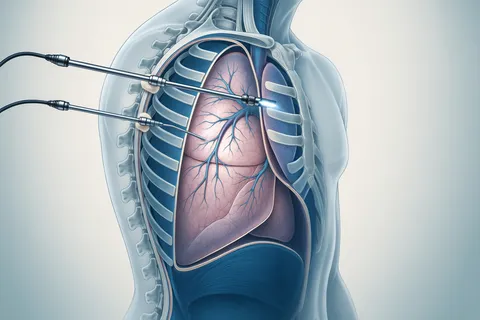
Single-port lung surgery (uniportal VATS) is one way of performing VATS. The camera and surgical instruments are used through a single incision. VATS and single-port surgery are therefore not completely separate methods; single-port surgery is one of the subtypes of VATS.
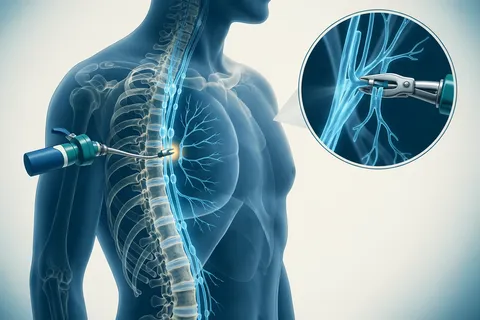
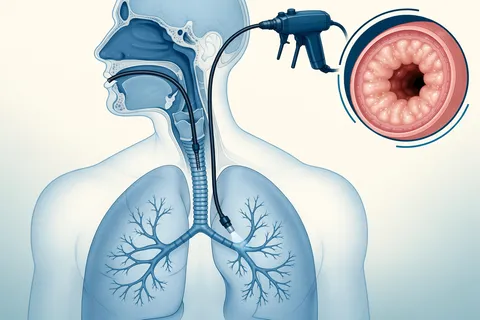
The term thoracoscopy describes viewing the chest cavity with an optical system. Thoracoscopic imaging can be used for diagnostic purposes and also forms the basis of VATS operations.
None of these methods should be regarded on its own as the best option for every patient. In choosing the surgical approach, the priority is to perform the necessary procedure safely and in line with medical requirements.
How Is the Surgical Method Determined?
When deciding on the method for lung surgery, several clinical factors are evaluated together. Not only the patient's diagnosis but also the extent of the disease and the breathing capacity after surgery can affect surgical planning.
Type and Stage of the Disease
The procedures used may differ in lung cancer, pneumothorax, lung nodules or other thoracic surgery conditions. In lung cancer in particular, the stage of the disease, the status of the lymph nodes and whether the tumor can be completely removed are among the key elements of the surgical decision.
Size and Location of the Lesion or Tumor
The size of the lesion in the lung, which lobe it is in, and how close it is to the bronchi and major blood vessels can affect the surgical approach. Some small lesions that can be separated from surrounding tissue may be suitable for minimally invasive surgery, while tumors with more complex anatomical relationships may require open surgery. However, the method cannot be chosen based on tumor size alone.
The Patient's Pulmonary Function and Overall Health
After lung surgery, it is important that the remaining lung tissue can meet the body's breathing needs. For this reason, the patient's pulmonary function, heart health, other medical conditions and overall physical capacity are evaluated. When needed, advanced tests may be performed to determine the expected breathing capacity after surgery.
Results of Imaging and Other Tests
Chest computed tomography (CT), PET-CT when needed, bronchoscopy and other diagnostic tests contribute to surgical planning. These tests help evaluate the location and extent of the disease and its relationship to surrounding tissues. In cancer surgery especially, imaging findings are considered together with tissue diagnosis and lymph node staging when needed.
Physician Evaluation and Multidisciplinary Decision
The surgical method is determined by the clinical evaluation of the thoracic surgeon. In diseases that involve more than one specialty, such as lung cancer, thoracic surgery, pulmonology, medical oncology, radiology, pathology and other relevant specialties may need to decide together. The aim is to choose the surgical method appropriate to the disease and the patient, to avoid unnecessary surgical risks and to plan the treatment process as a whole.
What Are the Differences Between Open, Closed and Single-Port Lung Surgery?
| Feature | Open surgery | Closed surgery (VATS) | Single port (uniportal VATS) |
|---|---|---|---|
| Surgical access | Direct access through a thoracotomy incision | Usually several small incisions | Access through a single incision |
| Viewing | Direct surgical view | Camera and monitor | Camera and monitor |
| Situations in which it may be considered | Some complex or extensive procedures, or those requiring open access | Lung and chest conditions suitable for minimally invasive surgery | Selected procedures suitable for single-port surgery |
| More information | Open Lung Surgery | Closed Lung Surgery | Single-Port VATS |
The differences in the table are for general information. During surgery, the planned method may need to be changed to ensure surgical safety. For example, an operation started with a minimally invasive approach can be converted to open surgery when considered necessary.
How Does the Lung Surgery Process Work?
First Visit and Clinical Evaluation
At the first evaluation, the patient's symptoms, medical history, previous illnesses and existing test results are reviewed. If a nodule, mass or other surgical problem has been found in the lung, the existing imaging is evaluated. When needed, additional tests are used to clarify the diagnosis and determine whether surgery is necessary.
Preparation Before Surgery
For patients for whom surgery has been decided, preoperative preparation is carried out. This includes the necessary imaging, blood tests, pulmonary function tests and an anesthesia evaluation. The patient's medications, smoking and other medical conditions are also reviewed. Before surgery, the patient is informed about the procedure to be performed, the possible risks and the postoperative period.
Surgical Planning and the Operation
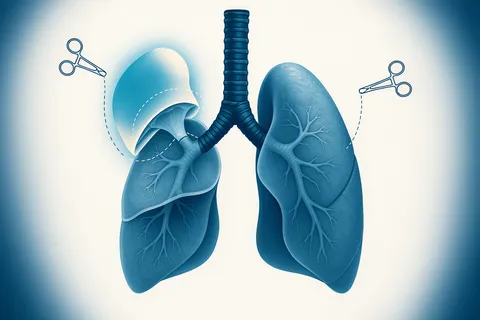
During surgical planning, open, closed or single-port surgical options are evaluated according to the features of the disease. The operation is performed under general anesthesia. Depending on the procedure, a biopsy may be taken from the lung, diseased tissue may be removed or another thoracic surgery procedure may be performed. In lung cancer surgery, the extent of tissue to be removed is determined according to the features of the tumor and the principles of oncologic surgery.
Follow-Up After Surgery
After surgery, the patient is monitored in an appropriate clinical setting according to the extent of the procedure. Pain control, monitoring of breathing, early mobilization and breathing exercises are important parts of recovery. After some operations, a chest tube (drain) may be used to remove air or fluid that collects in the chest cavity. The timing of drain removal is decided according to the patient's clinical condition.
Recovery and Follow-Up Visits
The time to return to daily life after lung surgery is not the same for every patient. The extent of the operation, the surgical approach, and the patient's age, breathing capacity and other medical conditions can affect recovery. At follow-up visits after surgery, wound healing, breathing and, when needed, pathology results are evaluated. For patients operated on for lung cancer, long-term oncologic follow-up is also planned.
Information and Evaluation About Lung Surgery
If you have been diagnosed with a condition that may require lung surgery, or if you would like to learn about surgical treatment options based on your existing test results, it is advisable to be evaluated by a thoracic surgeon.
Prof. Dr. Erdal Okur is a thoracic surgeon you can consult for evaluation of the diagnosis, surgical treatment options and the surgical process in lung and thoracic surgery conditions.
To get information about your own health and learn about the appointment process, you can visit the contact or appointment section of the website.