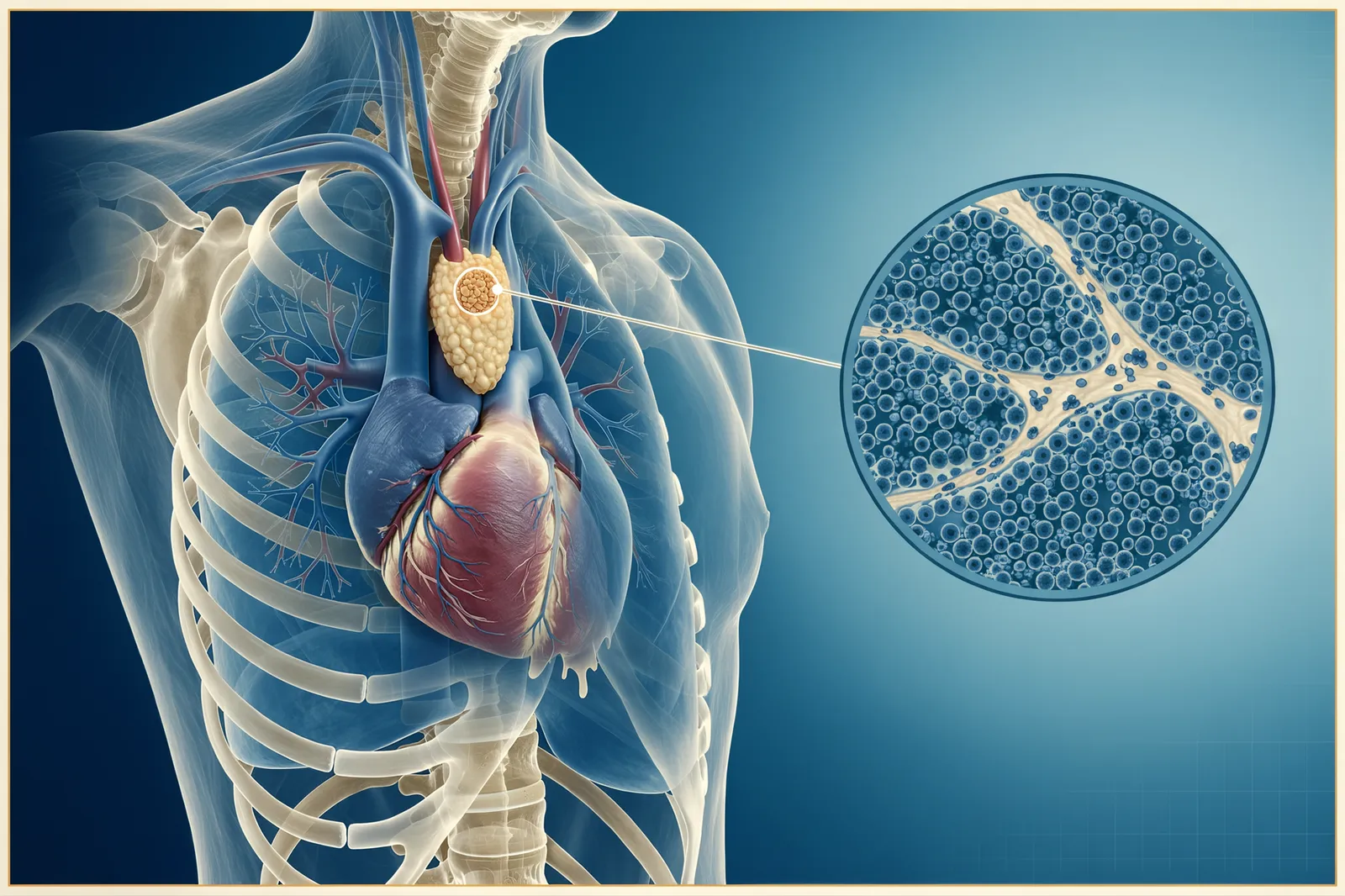
The thymus is located just behind the breastbone, in front of the heart.
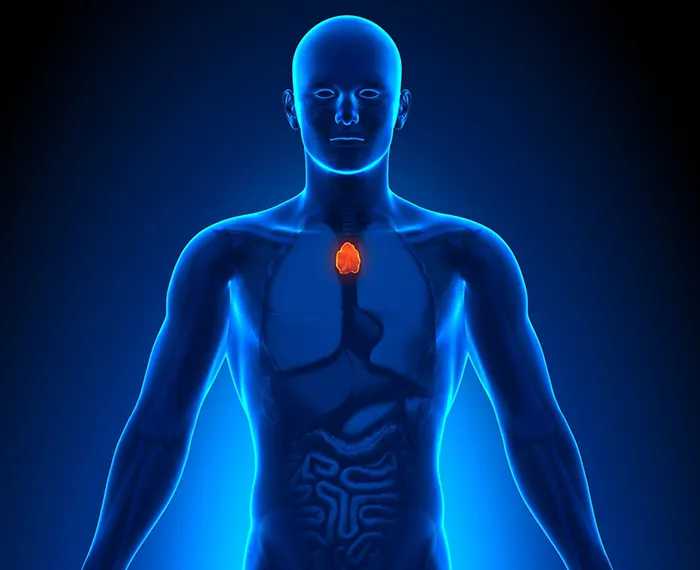
The thymus is an organ located just behind the breastbone, in front of the heart; it is larger in childhood and shrinks in adulthood until it is barely noticeable, and it has functions related to our immune system. Tumors and cysts can arise from this organ, and sometimes the thymus can enlarge without a tumor (Myasthenia Gravis - Thymic Hyperplasia). In tumors or cysts of the thymus, or in some situations where the thymus is enlarged, this organ may need to be removed (thymectomy).
What is myasthenia gravis? How is thymus surgery performed?
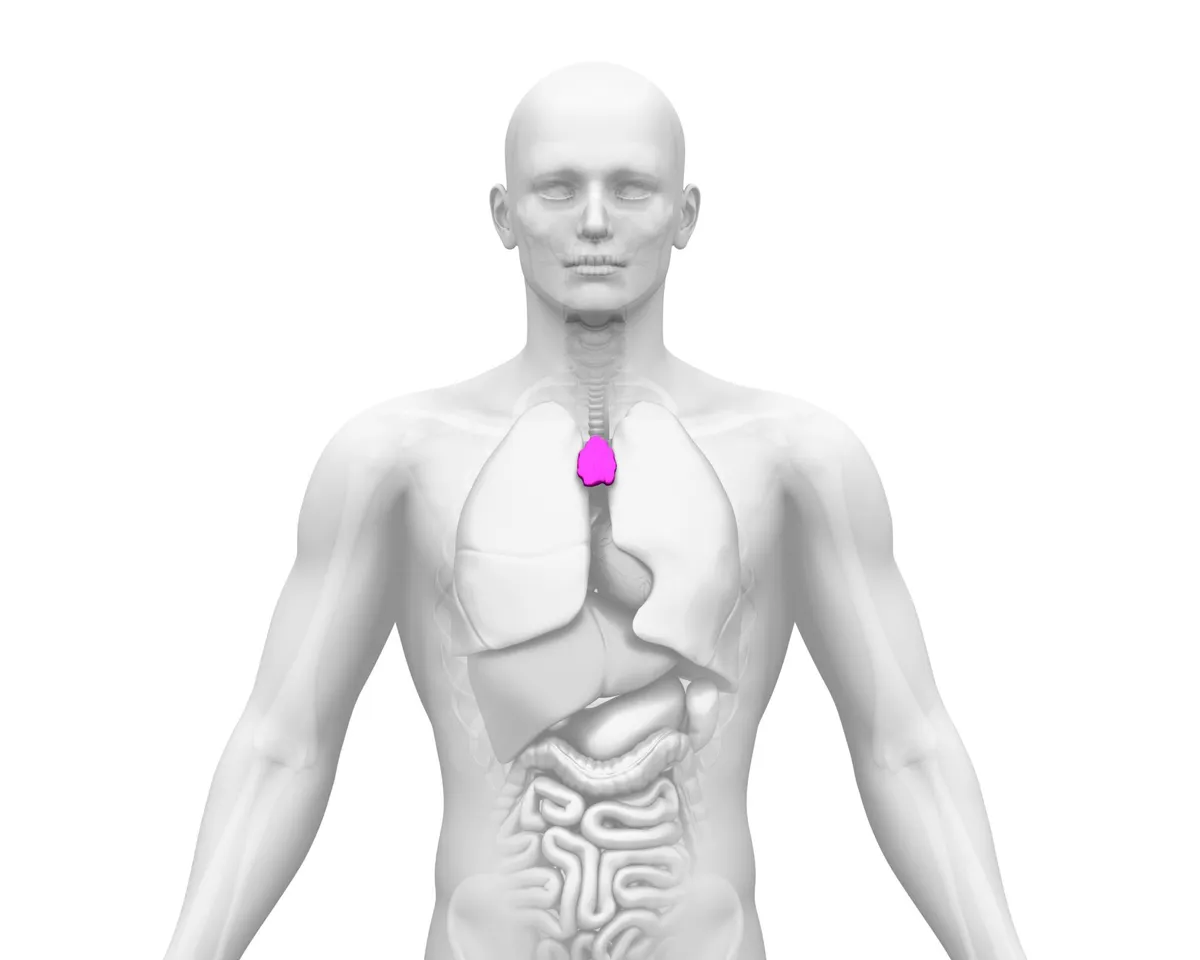 The thymus is an organ located just behind the breastbone, in front of the heart; it is larger in childhood and shrinks in adulthood until it is barely noticeable.
Myasthenia gravis is a neurological disease that affects the body's muscles and nervous system. Its signs include weakness, drooping eyelids and, in advanced stages, severe weakness and shortness of breath. In addition to various medical treatments, removal of the thymus may be needed in suitable patients. Which patients can have surgery, or in other words, for whom surgical treatment is appropriate, is decided at multidisciplinary board meetings involving several specialists, led by neurology. It has been shown that, in suitable patients, surgical removal of the thymus helps control the disease.
What is a thymoma? What is thymic carcinoma?
The best-known tumor of the thymus is the thymoma. It is the most common tumor in the front part of the mediastinum in adults. In fact, the true cancer of the thymus is not thymoma but thymic carcinoma; however, thymoma is also a tumor that can take a serious course, spread (metastasize) and be fatal if it is not detected and treated early. It begins as a solid mass within the thymus and often causes no signs; a small proportion of patients also have myasthenia gravis. When it is detected at a suitable stage, the most appropriate treatment is complete surgical removal of the thymus containing the thymoma. This operation, which used to be performed by cutting the breastbone, is now performed in most patients with the Video-Assisted Thoracoscopy (VATS) method. Patients who have surgery at an early stage have a high chance of being cured of the disease. Chemotherapy and radiotherapy may also be given as additional treatment. Patients at advanced stages may not be able to have surgery, and these patients receive only oncological treatment. Life expectancy is lower at advanced stages.
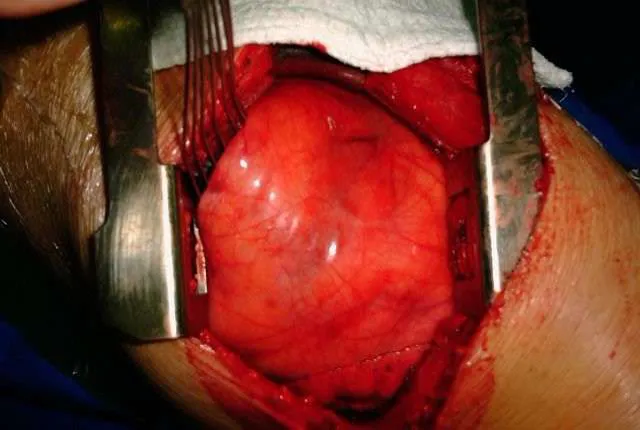 In tumors or cysts of the thymus, or in some situations where the thymus is enlarged, this organ may need to be removed.
Some cysts and thymic cancer can also develop within the thymus. Thymic cysts may be harmless, but some thymic cysts may occur together with thymic cancer. They need to be examined carefully with imaging, and if there is any suspicion, the thymus should be removed surgically. Thymic cancer, on the other hand, progresses faster than thymoma and is a cancer with a poor course that can invade surrounding tissues or spread to distant sites early on. In its early stage, it can be treated with surgery. In advanced stages, oncological treatments are given.
Does removing the thymus gland affect the body?
The thymus has very little function in adulthood, and removing this organ with surgery when necessary does not have any negative effect on a person's health or life.
Videos

Closed surgery for mediastinal tumors

Prof. Dr. Erdal Okur · Thoracic Surgery
BiographyDo you have a question about this topic? Ask a question