What is a lung cyst (hydatid cyst)?
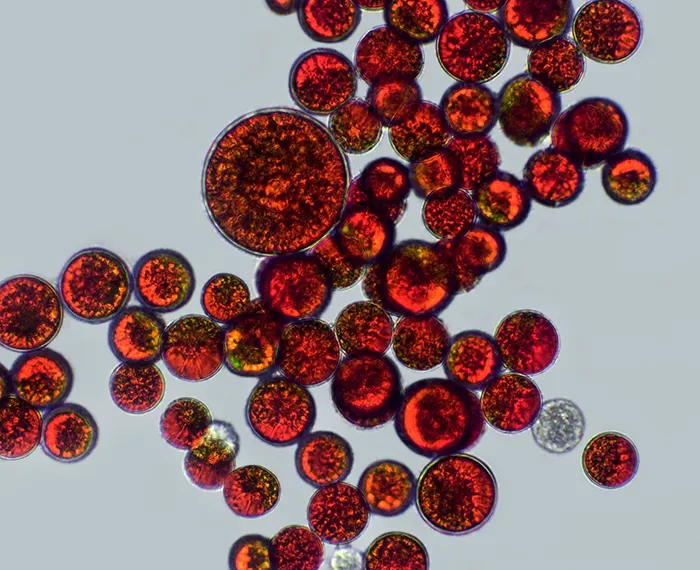
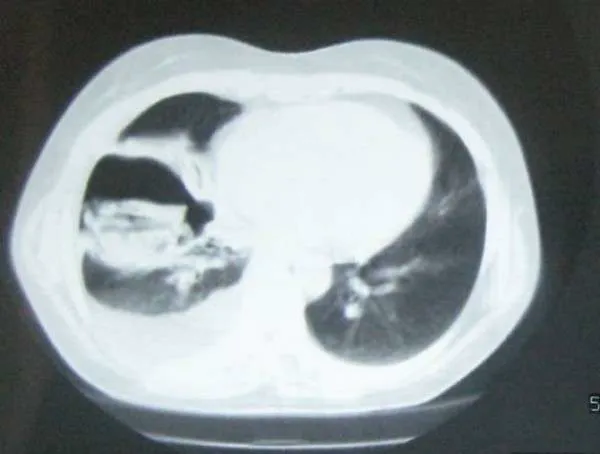
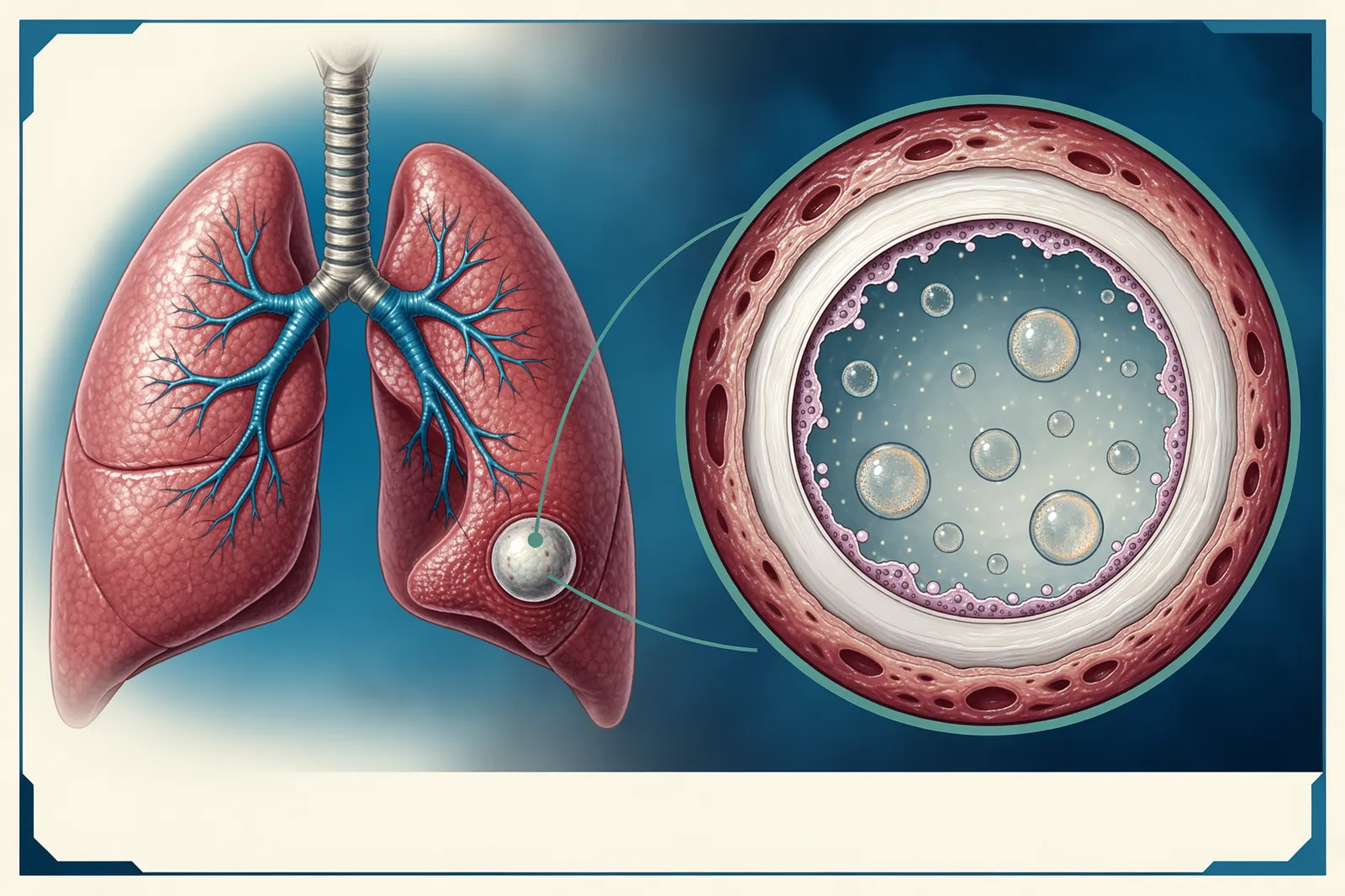
Lung cysts, also known as hydatid cysts, are cysts in the lung caused by a millimeter-sized parasitic worm called Echinococcus. Although they are generally more common in people living in rural areas, they can also be seen in people living in cities. Their frequency has decreased considerably in recent years. Eating poorly washed food during travel to some less developed countries can lead to picking up this parasite and to the disease. It can occur in both children and adults. It can take various forms, from a single cyst 1-2 cm in size in the lung to multiple cysts, even in both lungs, reaching 10-15 cm in size.
How is a lung cyst (hydatid cyst) transmitted?
The parasite that causes lung hydatid cysts lives in the intestines of certain carnivorous animals, dogs in particular, and is released into the environment through their feces. It is passed to humans when vegetables and fruits contaminated with the parasite are eaten without being washed well. It is not transmitted from person to person. It can cause disease most often in the liver and lung, and after that in the spleen, kidney, brain and other organs.
What are the symptoms of a lung cyst (hydatid cyst)?
A small, unruptured cyst in the lung causes no symptoms and may only be found incidentally. Large cysts can, although rarely, cause pain or shortness of breath. If the cyst ruptures on its own, the person may have a severe cough together with clear fluid coming from the mouth. Patients usually seek care with cough and sputum as a result of infection of a ruptured cyst. A chest X-ray shows typical radiological findings of hydatid cyst disease. Computed tomography generally shows the exact state and extent of the disease.
How is a lung cyst (hydatid cyst) treated?
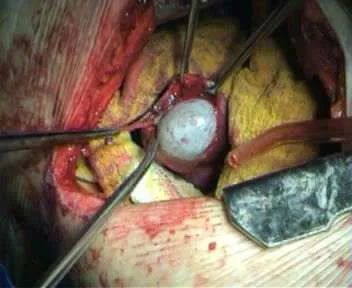
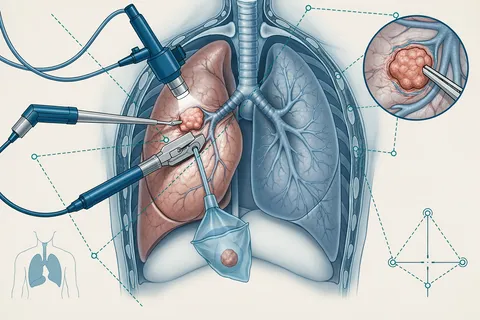
Surgery for a hydatid cyst of the lung can be performed as a classic open operation, and for some suitable lung cysts it can also be performed as a closed (endoscopic) operation through small incisions.
The most effective treatment for lung cysts is surgical removal of the cyst, because these cysts generally tend to grow and can rupture on their own, causing serious problems that can even be fatal. Medication before and after surgery is used to reduce the risk of these cysts coming back.
Surgery for a hydatid cyst of the lung can be performed as a classic open operation, and for some suitable lung cysts it can also be performed as a closed (endoscopic) operation through small incisions. Surgery is the main method of treatment.
Lung Cyst Surgery
The most effective treatment for lung cysts is surgical removal of the cyst, because these cysts generally tend to grow and can rupture on their own, causing serious problems that can even be fatal. Medication before and after surgery is used to reduce the risk of these cysts coming back.
Surgery for a hydatid cyst of the lung can be performed as a classic open operation, and for some suitable lung cysts it can also be performed as a closed (endoscopic) operation through small incisions. Surgery is the main method of treatment.
What happens if a lung cyst ruptures?
A lung cyst is a type of fluid-filled cyst or sac located in or on the lungs. Lung cysts are usually benign (not cancerous) and cause no symptoms. However, if a lung cyst ruptures or becomes problematic, it can lead to serious complications.
Pain: If the cyst ruptures, the person may feel pain. This pain may be in the chest or the back.
Shortness of Breath: If a lung cyst ruptures, lung function may be affected and the person may experience shortness of breath.
Infection: The contents of the cyst may spread inside the body, and the risk of infection may increase. This can lead to a serious health problem.
Pneumothorax: When a lung cyst ruptures, it can cause air to leak outside the lung. This condition is called pneumothorax and may require serious emergency medical care.
Bleeding: The contents of the cyst can damage blood vessels, and internal bleeding may occur.
If a lung cyst ruptures, the person should seek medical help immediately.
What are interstitial lung diseases?
Interstitial lung diseases are diseases that depend on many different factors and have different causes, but whose radiological images look relatively similar and show widespread changes in the lung. The vast majority of them have non-cancer causes, but there can also be very serious diseases with a very poor course, such as interstitial fibrosis. Infections and external factors (substances in the air breathed in at some workplaces) can cause interstitial lung disease, and sometimes the person's own body can produce this disease without any apparent cause.

Prof. Dr. Erdal Okur · Thoracic Surgery
BiographyDo you have a question about this topic? Ask a question