What is closed lung surgery?
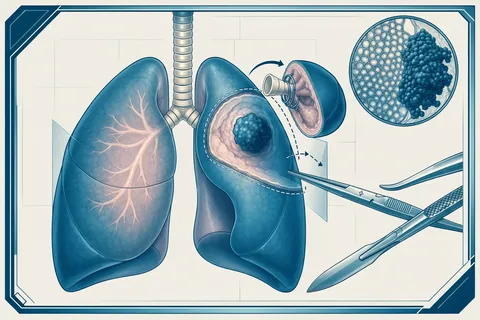
Closed lung surgery is the treatment of conditions within the field of thoracic surgery using a closed method.
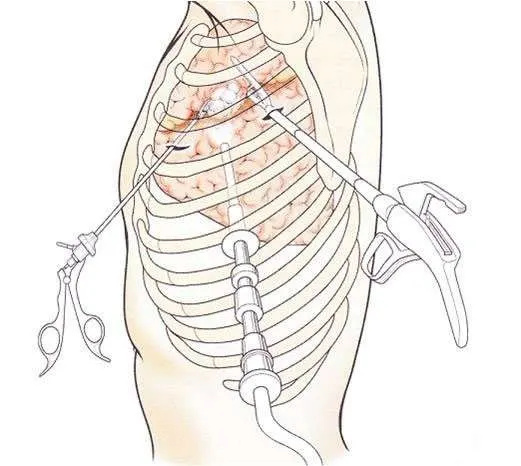
It has many advantages over open lung surgery. Today, closed lung surgery, or VATS, is used in thoracic surgery for the diagnosis and surgical treatment of many conditions.
How is closed lung surgery performed?
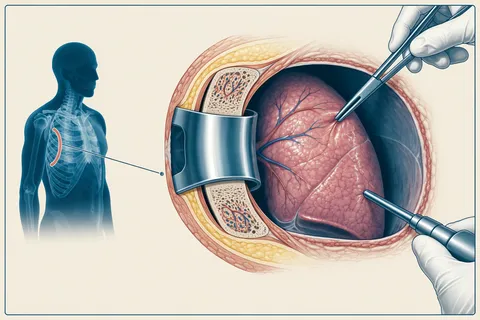
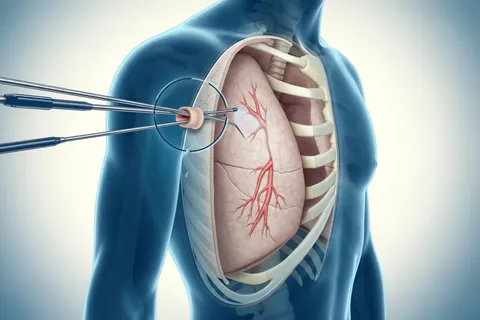
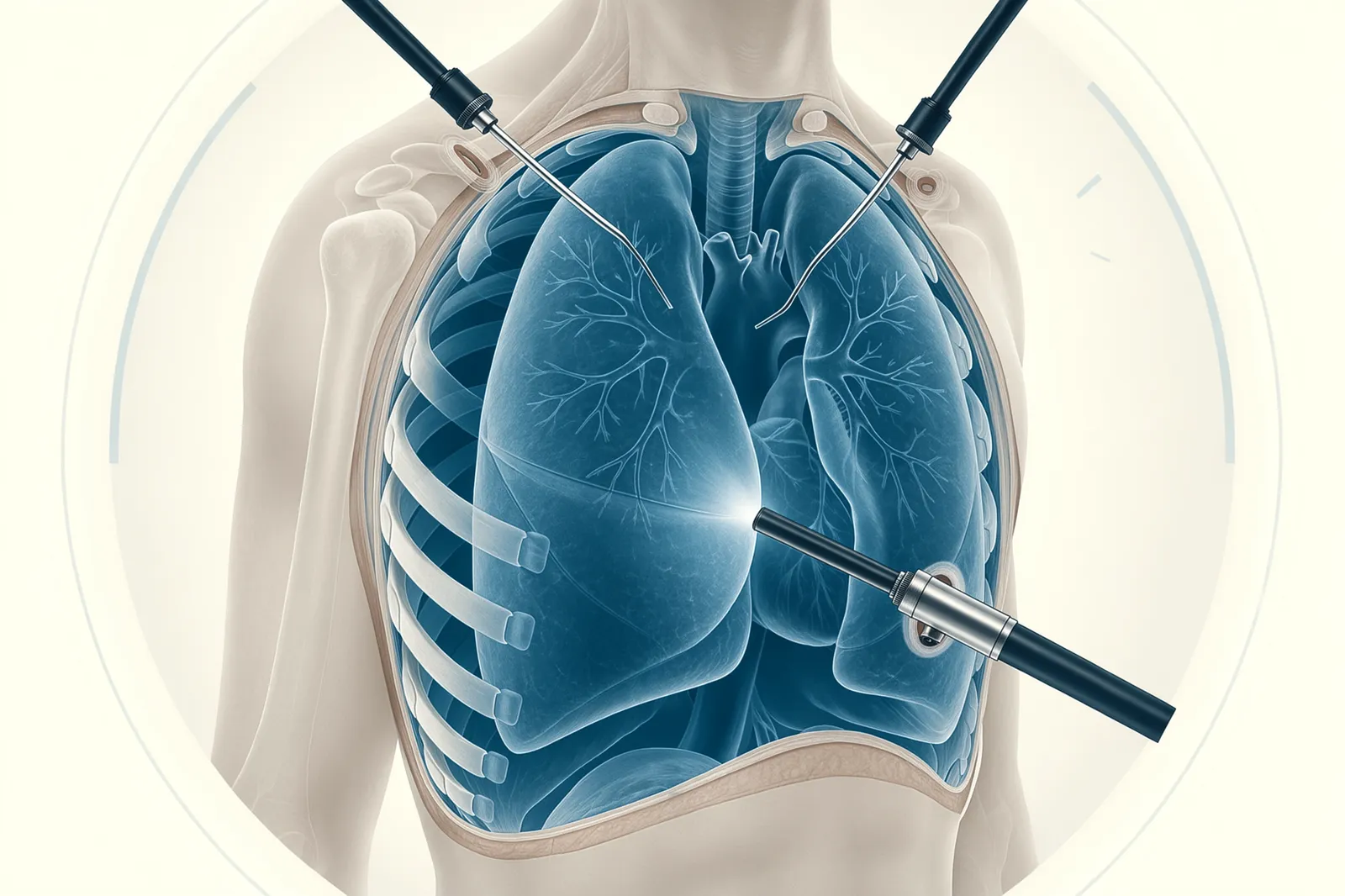
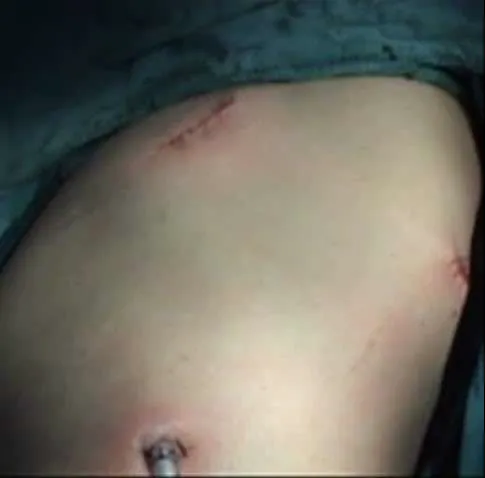
In closed lung surgery, 3 or 4 incisions of 1-2 cm are made on the side of the chest wall, under the patient's armpit. Special VATS instruments are inserted through these incisions. One of the instruments provides video imaging, while the others are used to reach the surgical area and carry out the procedure. Even major operations such as lung cancer surgery can be performed with this method. In developed countries, most operations on the lungs and other structures inside the chest are, and should be, performed with the closed method. In our country, the use of this method, which we have also helped pioneer, has become increasingly widespread.
Which conditions is closed lung surgery used for?
Today, closed lung surgery can be used to treat all conditions within the field of thoracic surgery.
Closed lung surgery is successfully used for, above all, lung cancer surgery, as well as:
- lung nodules,
- collapsed lung (pneumothorax),
- empyema (infection of the lining of the lung),
- bronchiectasis (lung infections),
- lung cysts (hydatid cyst),
- lung metastasis surgery,
- lung injuries,
- mediastinal tumors,
- thymus gland enlargement, thymoma,
- diaphragm diseases,
- congenital lung diseases,
- emphysema surgery,
- excessive sweating (ETS).
What are the methods of closed lung surgery?
Closed lung surgery methods are divided into 3 types.
1. Standard VATS Thoracoscopy
In this method, more than one incision is used. Two or 3 small incisions may be used. It is performed with video imaging support.
2. Single-Port VATS Thoracoscopy
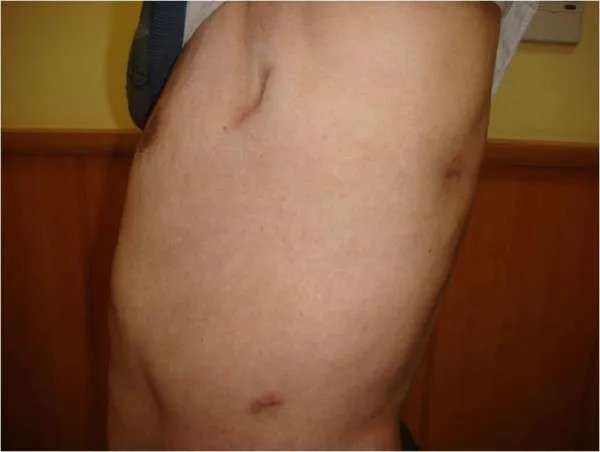
This is a surgical method known as minimally invasive in thoracic surgery and requires a high level of experience. Both video imaging and the operation itself can be carried out through a single incision. Among closed lung surgery methods, it is the one with the least intervention to the patient. As a result, patients can return to daily life correspondingly faster after surgery.
3. Robotic Method
In this method, the surgeon performs the operation by guiding the arms of a robot. Four small incisions are made around the chest wall, and the robot's arms are inserted through them. The surgeon watches the surgical area on the robot's imaging screen while controlling the robot's arms to carry out the operation.
What are the advantages of closed lung surgery?
Closed lung surgery has many advantages compared with open lung surgery. These can be listed as follows:
- Because the surgical area is small, fewer muscles are cut during the operation. As a result, patients recover more quickly after surgery.
- Because the surgical area is small, fewer complications are seen after surgery.
- The risk of bleeding during and after surgery is much lower.
- The operation is completed in a much shorter time.
- Patients spend much less time in intensive care and in the hospital after surgery. They are usually discharged within one or two days.
- Because the surgical area is smaller, patients, especially younger ones, have fewer cosmetic concerns.

Prof. Dr. Erdal Okur · Thoracic Surgery
BiographyDo you have a question about this topic? Ask a question