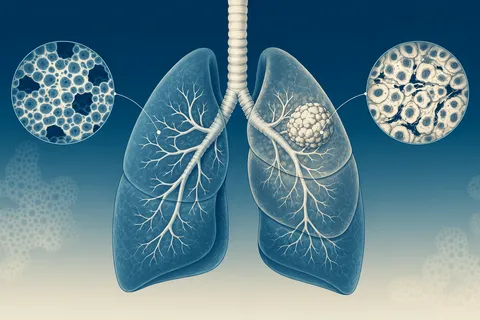
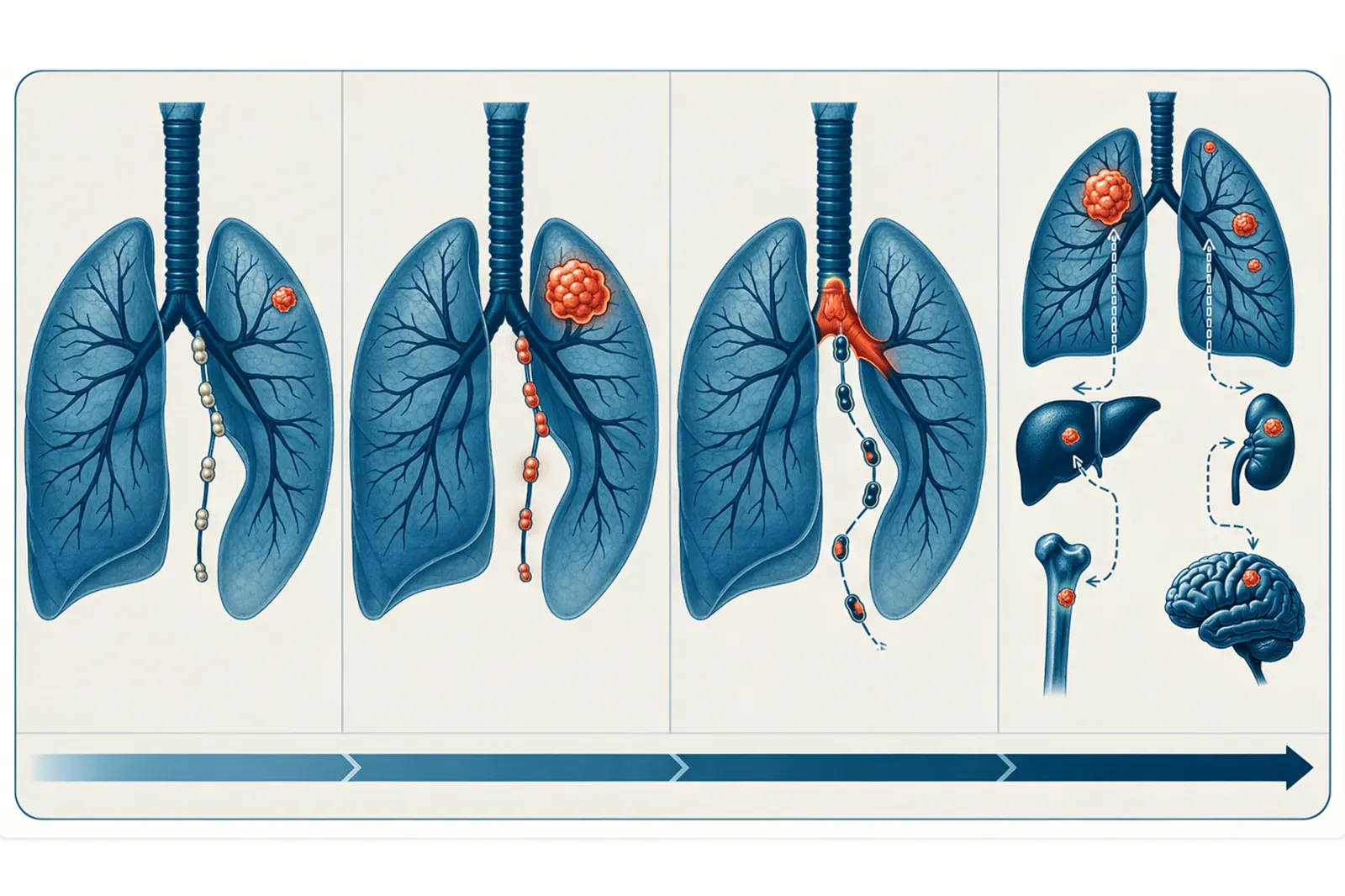
Lung cancer stages describe the size of the tumor, its relationship to surrounding tissues, and whether it has spread to lymph nodes and distant parts of the body. Staging is done to understand how widespread the disease is and to build an appropriate treatment plan. Lung cancer is divided into two main groups: non-small cell lung cancer and small cell lung cancer. Non-small cell lung cancer is classified from Stage 0 to Stage 4. In small cell lung cancer, the distinction between limited stage and extensive stage is also important.
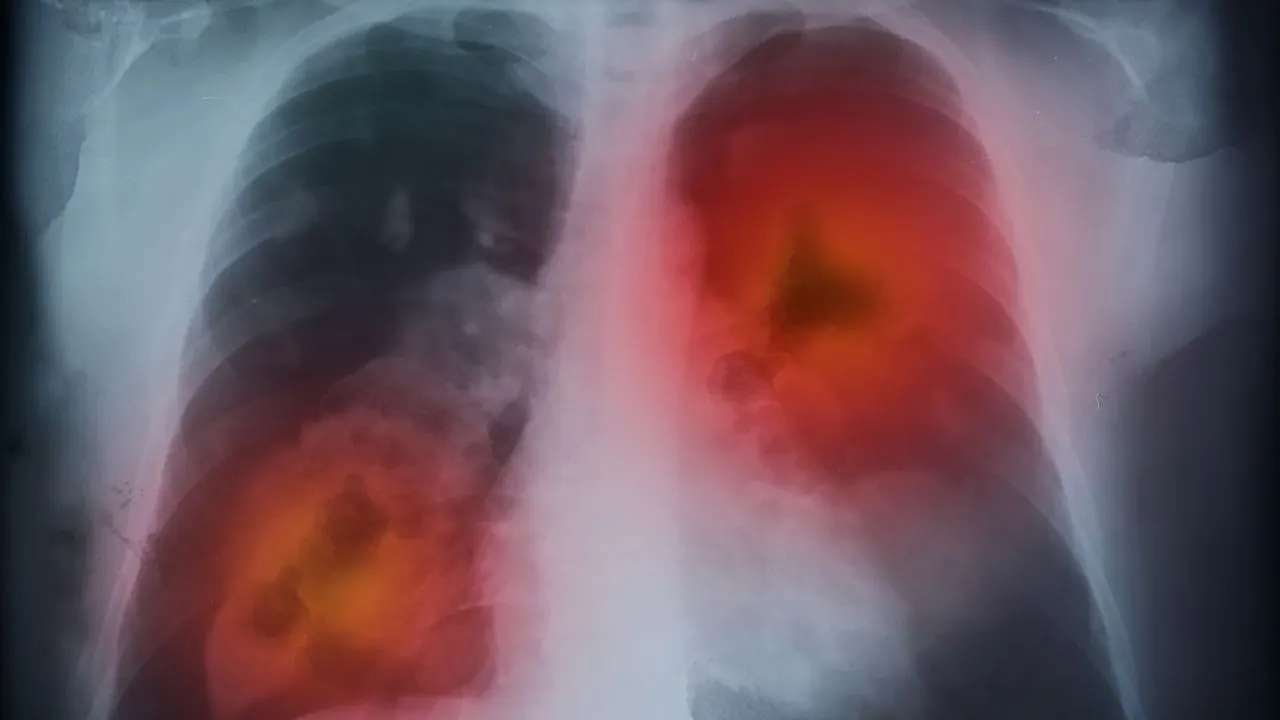
What Is Staging in Lung Cancer?
Staging is the process of determining where the cancer is located in the body and how far it has spread. This assessment does not look only at the diameter of the mass in the lung. The extension of the tumor into neighboring structures, the status of the lymph nodes and the presence of metastasis are considered together.
For this reason, two patients with tumors of the same size may have different stages. Stage information is one of the core parts of the treatment decision.
What Is the TNM System in Lung Cancer?
The TNM system describes the anatomical spread of the disease under three headings. This information is combined to determine the stage group.
T: Tumor Size and Relationship to Surrounding Tissues
T refers to the size of the primary tumor in the lung and its extension into surrounding structures. The tumor's relationship to the bronchi, the pleura, the chest wall or other neighboring structures can affect this assessment.
N: Spread to Lymph Nodes
N shows whether the cancer has spread to regional lymph nodes. The location of the involved lymph nodes is important. In the current classification, involvement of a single station or multiple stations in certain lymph node groups located in the part of the chest between the two lungs (the mediastinum) is also assessed separately.
M: Metastasis Status
M describes metastatic spread. In addition to distant organs such as the brain, bones, liver or adrenal glands, certain patterns of spread to the opposite lung or to the pleura or pericardium are also assessed under this category.
The current 9th edition of the TNM classification includes more detailed subgroups for lymph node involvement and the distribution of metastases. For this reason, the stage cannot be determined by looking at tumor diameter alone.
What Are the Stages of Non-Small Cell Lung Cancer?
Stage 0: Carcinoma in Situ
In Stage 0, abnormal cells have not grown beyond the surface layer in which they developed. There is no spread to lymph nodes or distant organs. This condition, called "carcinoma in situ," is distinguished from invasive disease that has grown into surrounding tissues.
Treatment is planned according to the location and characteristics of the lesion; local treatment options may be considered.
Stage 1 Lung Cancer
In Stage 1, there is no spread to regional lymph nodes or distant organs. This stage is divided into two main groups, IA and IB.
- Stage IA: The tumor is generally 3 cm or smaller and meets the other relevant staging criteria. There are IA1, IA2 and IA3 subgroups.
- Stage IB: The tumor may be larger than 3 cm but 4 cm or smaller. However, certain features other than size can also lead to an IB classification.
In suitable patients, surgery is an important treatment option. Other local treatments may be considered for patients who are not candidates for surgery.
Stage 2 Lung Cancer
Stage 2 is divided into IIA and IIB subgroups. The size of the tumor, its relationship to surrounding tissues and lymph node involvement are assessed together.
Defining this stage only as "the tumor is larger than 5 cm" or "it has spread to nearby lymph nodes" is not enough. In the current classification, different combinations of tumor and lymph node findings can fall within Stage 2. For example, in some small tumors, involvement of a single mediastinal lymph node station may be classified as IIB.
Surgery and additional treatments before or after surgery are considered according to the characteristics of the patient and the tumor.
Stage 3 Lung Cancer
Stage 3 consists of the IIIA, IIIB and IIIC subgroups. It covers different disease presentations classified in this group because of local extension of the tumor and/or regional lymph node involvement, without distant metastasis.
Determining the substage does not depend only on whether lymph nodes are involved. Which stations are involved, the size of the tumor and its extension into neighboring structures are assessed together.
Treatment in Stage 3 cannot be reduced to a single method. Surgery may be considered in selected patients, and chemoradiotherapy and systemic treatments in others. The decision is made through multidisciplinary evaluation.
Video on Lung Cancer Stages
Stage 4 Lung Cancer
Stage 4 refers to metastatic disease and is divided into two groups, IVA and IVB.
- Stage IVA: May include situations such as a separate tumor nodule from the same cancer in the opposite lung, spread to the pleura or pericardium, a malignant pleural or pericardial effusion, or a single metastasis outside the chest.
- Stage IVB: Includes multiple metastases outside the chest in one or more organ systems.
For this reason, a Stage 4 diagnosis does not mean that every patient has spread to many organs. The location and distribution of the metastases are important.
Treatment is individualized, taking into account the molecular characteristics of the tumor, the patient's general condition and the characteristics of the metastases.
What Are the Stages of Small Cell Lung Cancer?
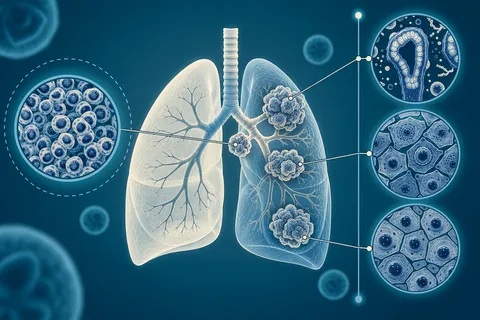
Although the TNM system can be used in small cell lung cancer, the distinction between limited stage and extensive stage is also used in treatment planning.
Limited Stage
The disease is confined to the lung where it started and to certain regional lymph node areas. In assessing limited stage, whether the disease can be encompassed within a safe radiotherapy field is also taken into account.
Extensive Stage
The disease has gone beyond the limits of limited stage. Distant organ metastases fall into this group. However, the definition of extensive stage is not limited to distant organ spread alone.
Distinguishing between these two groups helps determine the treatment approach.
Video on Diagnosis and Staging of Lung Cancer
How Is Lung Cancer Staged?
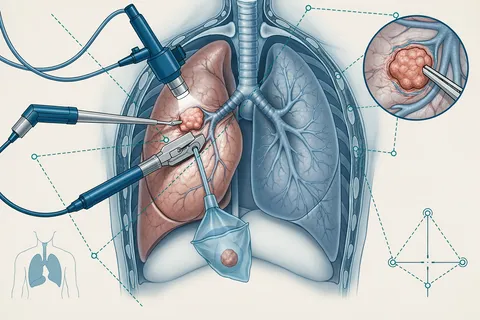
Staging is carried out by interpreting the clinical evaluation, imaging and any necessary tissue examinations together. Not every patient needs the same tests.
- Computed tomography (CT): Assesses the size and location of the tumor and its relationship to surrounding structures.
- PET-CT: Helps investigate suspicious areas in the lymph nodes and other parts of the body.
- Brain MRI: Used in patients who need it to assess spread to the brain.
- Biopsy and pathology: Determines whether there is cancer in the suspicious tissue and what type of cancer it is.
- EBUS or other sampling methods: Allow samples to be taken from lymph nodes inside the chest when needed.
Additional examination or tissue sampling may be needed to clarify the nature of an area that looks suspicious on imaging.
What Is the Difference Between Clinical Stage and Pathological Stage?
Clinical stage is based on examination, imaging and biopsy findings before treatment. It helps build the initial treatment plan.
Pathological stage is determined by examining the tumor and lymph nodes removed during surgery. Because new findings may be identified under the microscope, the clinical stage and the pathological stage may differ.
Can the Stage of Lung Cancer Be Determined from Symptoms?
Symptoms alone do not indicate the stage. Complaints such as cough, shortness of breath, chest pain or weight loss can be seen at different stages. Some patients may have no noticeable complaints. The necessary tests must be completed to determine the stage.
How Does the Stage Affect Treatment in Lung Cancer?
Stage is one of the key elements of the treatment decision. However, the type of cancer, its molecular characteristics, the patient's breathing capacity and overall health are also assessed. For this reason, treatments may differ between patients at the same stage. The length of treatment also varies according to the chosen method and the patient's response.
The Relationship Between Stage and Survival in Lung Cancer
Stage provides information about the course of the disease, but it cannot by itself determine how long a person will live. Survival rates are statistics from large groups of patients diagnosed during specific periods.
When interpreting these data, the type of cancer, the staging system used, the treatments and the period in which the data were collected should be taken into account. In addition, rates for "localized, regional and distant" groups should not be directly matched to TNM Stages 1, 2, 3 and 4. Five-year survival also does not mean that a patient will live only five years.
Frequently Asked Questions
How many stages does lung cancer have?
Non-small cell lung cancer is classified from Stage 0 to Stage 4. Some stages have their own subgroups. In small cell cancer, the distinction between limited and extensive stage is also used.
Can a small tumor be at an advanced stage?
Yes. A small tumor does not mean that it has not spread to lymph nodes or distant sites. During staging, T, N and M are assessed together.
Does spread to a lymph node always mean stage 4?
No. Regional lymph node involvement is assessed together with the tumor's other characteristics. Stage 4 requires that the criteria for metastatic spread be met.
Is PET-CT alone enough to determine the stage?
Not always. PET-CT findings are interpreted together with other tests; when needed, samples are taken from suspicious areas.
Is it possible for the stage to turn out differently after surgery?
Yes. Examining the tissues removed during surgery may reveal findings that could not be seen in the assessments before treatment. For this reason, the pathological stage may differ from the clinical stage.
How quickly does lung cancer move to a higher stage?
There is no time frame that applies to everyone. How the disease progresses depends on the biological characteristics of the cancer and on treatment. The stage at the time of diagnosis is recorded; any later progression or recurrence is described separately.
This content is for informational purposes. Diagnosis and treatment decisions should be made based on the patient's tests and the evaluation of a specialist physician.

Prof. Dr. Erdal Okur · Thoracic Surgery
BiographyDo you have a question about this topic? Ask a question