What are the types of lung cancer?
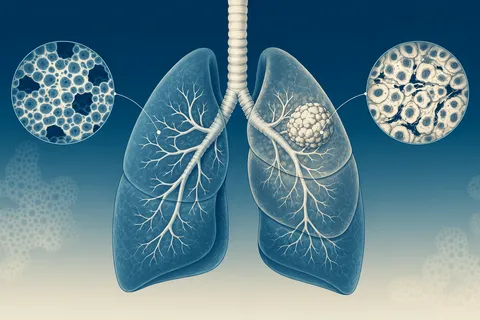
Lung cancer is divided into two main types:
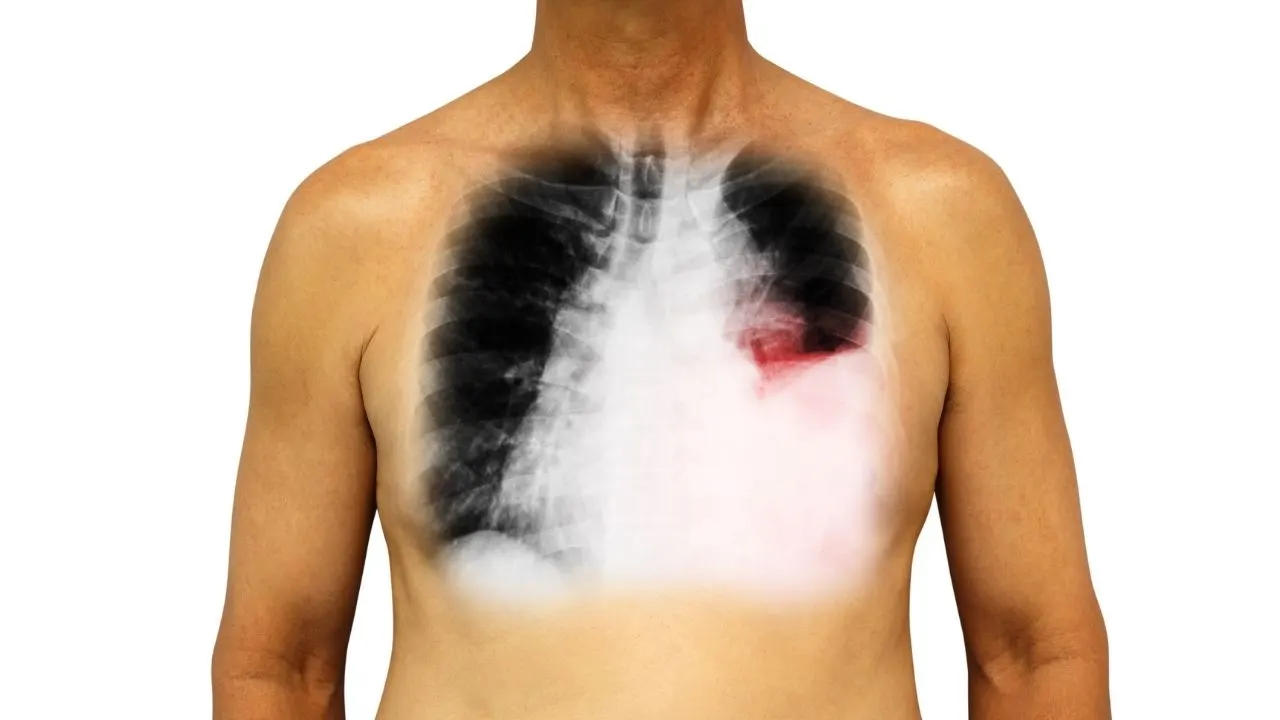
1. Small Cell Lung Cancer (SCLC)
Small cell lung cancer is a type of cancer that grows quickly and has a high potential to spread. It is usually seen in people who smoke and is divided into two main stages:
- Limited stage and
- Extensive stage.
2. Non-Small Cell Lung Cancer (NSCLC)
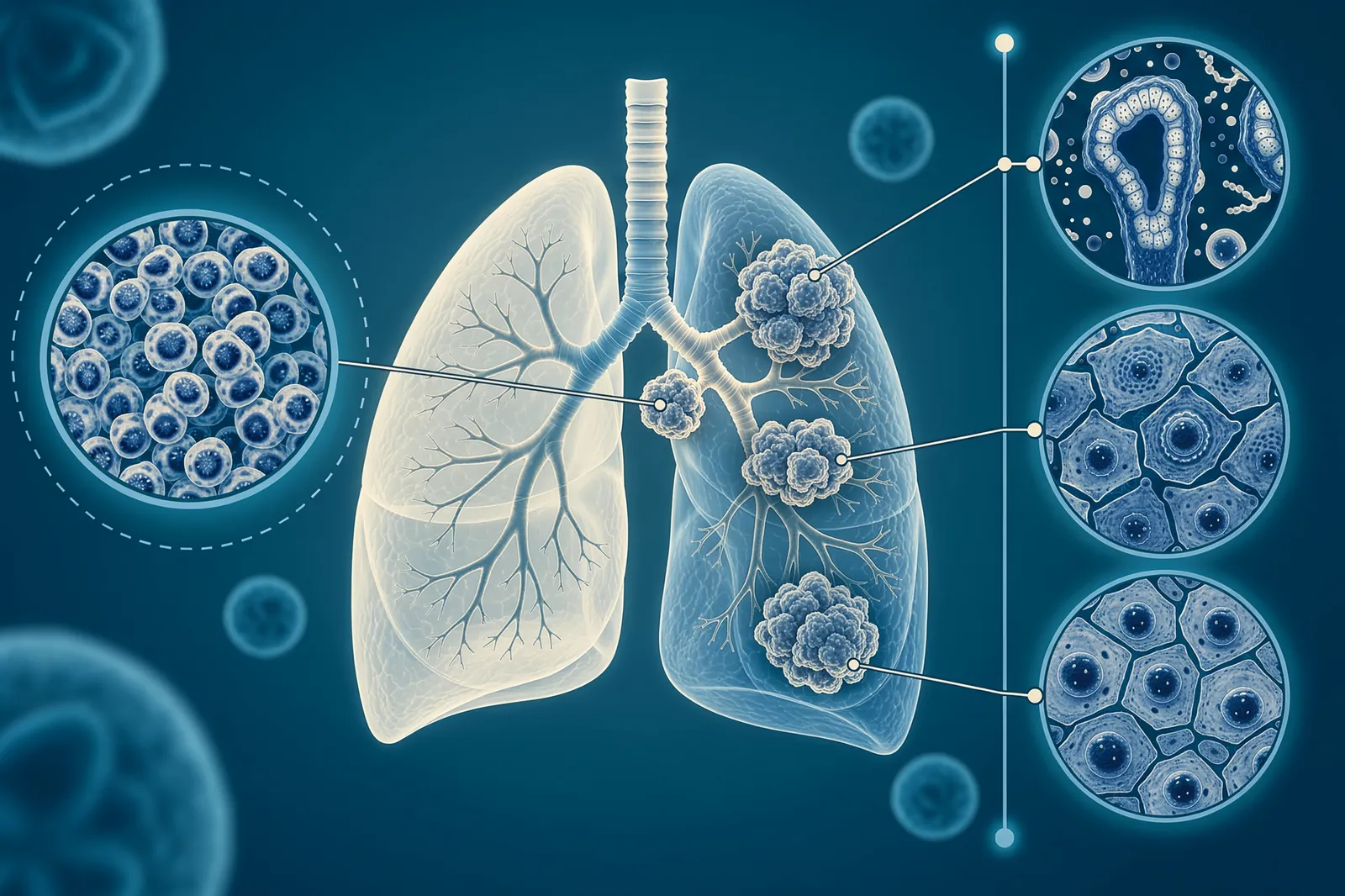
Non-small cell lung cancer is the more common type of cancer. It tends to progress more slowly and has 3 subtypes:
- Adenocarcinoma: Usually develops in the outer (peripheral) parts of the lungs and is the most common type. It is also the type most often seen in people who do not smoke.
- Squamous Cell Carcinoma: Usually starts in the bronchi in the center of the lungs and is more common in people who smoke.
- Large Cell Carcinoma: A fast-growing type that can arise anywhere in the lung.
In addition to these types, there are other, rarer types of lung cancer, but the types listed above are the most common.
What is small cell lung cancer? How is it treated?
Small cell lung cancer is one of the two main types of lung cancer. It is usually more common in people who smoke and tends to grow and spread quickly. SCLC is divided into two main stages:
- Limited Stage: The tumor is confined to one side of the chest (one lung) and nearby lymph nodes.
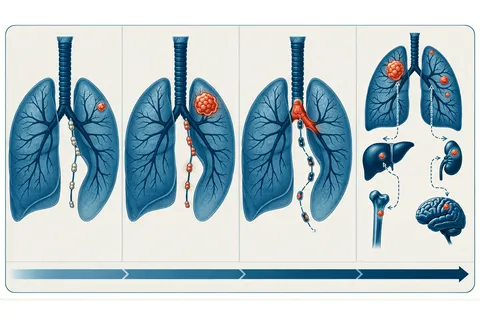
- Extensive Stage: The tumor has spread to areas outside the lung or to other organs.
The treatment roadmap for small cell lung cancer is planned according to the stage of the cancer and the patient's health. Chemotherapy forms the foundation of treatment and generally acts on the whole body. Small cell lung cancer responds well to chemotherapy. Radiotherapy is used, particularly in patients with limited-stage disease, to reduce the size of the tumor or relieve symptoms. Prophylactic cranial irradiation may also be given to prevent brain metastases. In limited-stage small cell lung cancer, surgical removal of the tumor may be considered. However, this generally applies when the tumor is small and can be surgically removed. In recent years, immunotherapies have also been studied and used as a new option in the treatment of small cell lung cancer. The treatment plan is tailored individually according to the patient's condition and response to treatment.
What is non-small cell lung cancer? How is it treated?
Non-small cell lung cancer is the most common type of lung cancer and makes up approximately 85-90% of all lung cancers.
Non-small cell lung cancer usually grows more slowly and may cause no symptoms in the early stages. For this reason, regular check-ups for people in risk groups are lifesaving for early diagnosis.
Treatment of Non-Small Cell Lung Cancer
In the treatment of non-small cell lung cancer, the most important factors that determine the plan are the stage of the cancer, its type and the patient's overall health.
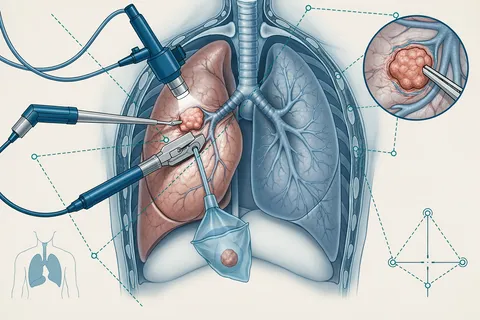
In non-small cell lung cancer, especially in the early stages, the most successful treatment is surgical removal of the tumor. In advanced stages, that is, stages where surgery cannot be performed, chemotherapy may be given before or after surgery and may also be chosen as part of non-surgical options. Radiotherapy is used as supportive treatment after surgery or to relieve the symptoms of the tumor. It can also be used in metastatic disease. In recent years, immunotherapies, treatment methods that work through the immune system, have been effective in the treatment of non-small cell lung cancer. In targeted therapies, specific drugs can be used for patients with certain genetic mutations (for example, EGFR or ALK mutations). The treatment plan is customized according to the patient's specific condition and response to treatment.
What is the most aggressive type of lung cancer?
The most aggressive type of lung cancer is known to be small cell lung cancer (SCLC). This type tends to grow and spread quickly. SCLC is more common in people who smoke and can rapidly metastasize to other parts of the body. Although it can respond to treatment, its prognosis is generally worse, and it therefore requires prompt and effective treatment.
Is it possible to be cured of aggressive lung cancers with surgery?
In aggressive lung cancers, especially types such as small cell lung cancer (SCLC), surgery generally plays a limited role. Because small cell lung cancer spreads quickly, it is often not diagnosed at an early stage, and the feasibility of surgery is limited.
However, in some situations:
- Limited-Stage Small Cell Lung Cancer: If the tumor is at a limited stage and has not spread to surrounding tissues, surgery (removal of the tumor) may be considered. However, this is generally rare.
- Non-Small Cell Lung Cancer: In aggressive types of non-small cell lung cancer, if the tumor is at an early stage (Stage I or II), it is possible to perform surgery and remove the tumor completely. This can increase the patient's chance of recovery.
In conclusion, the effectiveness and feasibility of surgery depend on the type of cancer, its stage and the patient's overall health. In aggressive cancer types, additional treatment methods such as chemotherapy and radiotherapy are generally used alongside surgery.

Prof. Dr. Erdal Okur · Thoracic Surgery
BiographyDo you have a question about this topic? Ask a question