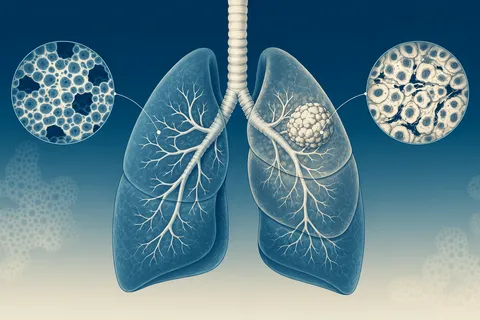
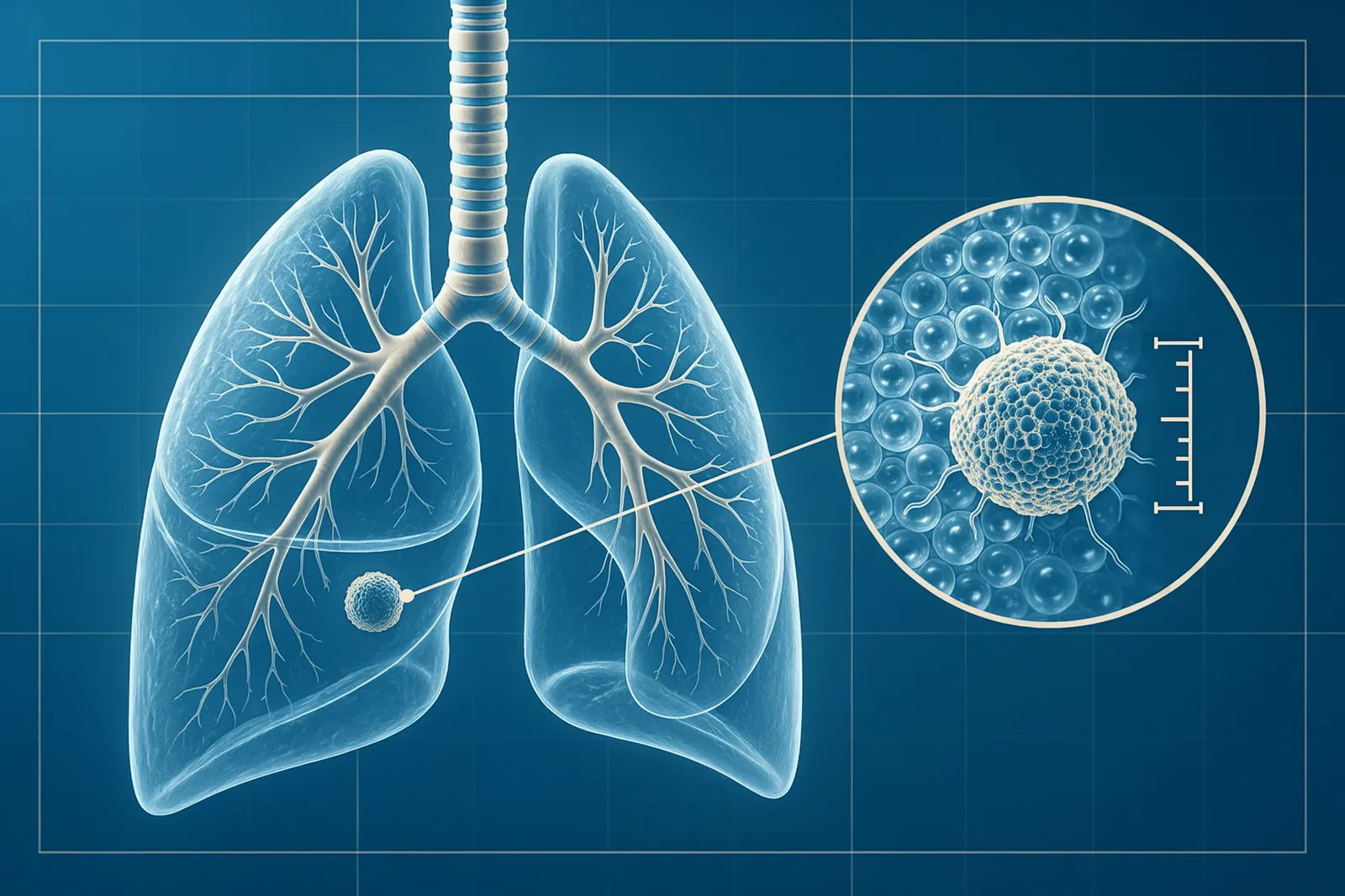
On a chest X-ray or CT scan, formations smaller than 2-3 cm that we call nodules (spots) can be seen in the lung for many reasons. In many patients these nodules have benign causes (infection, old scars), but they may also be the first stage of a malignant tumor. For this reason, follow-up of nodules noticed in the lung is very important.
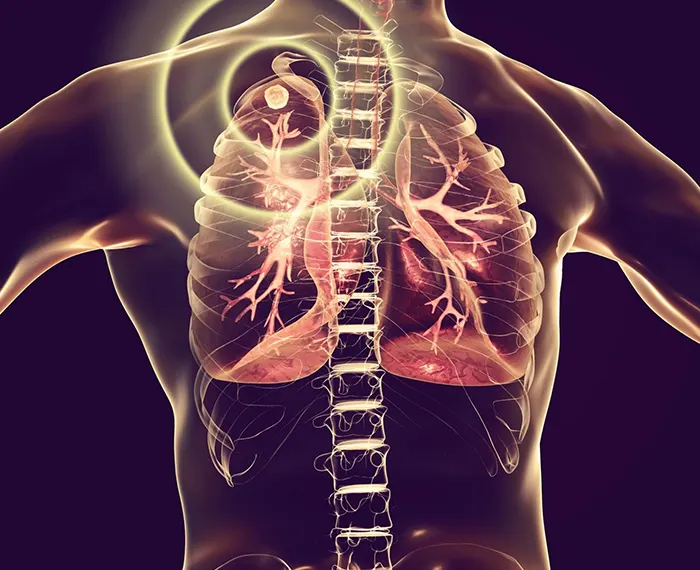
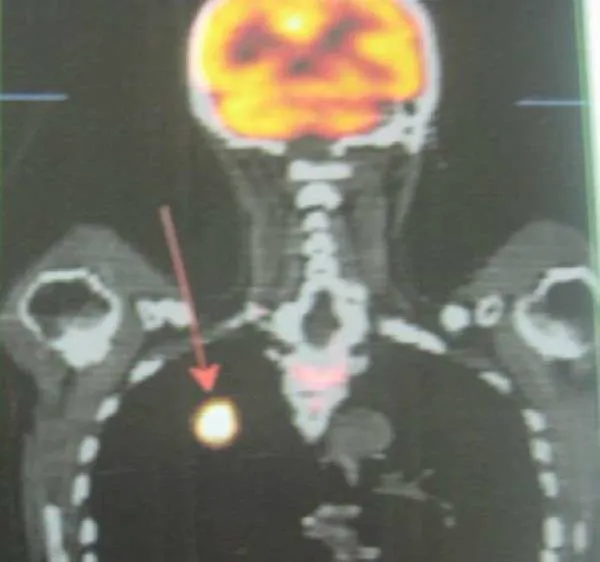
In general, benign causes are much more common in young people and non-smokers, while in middle-aged and older people, and especially in long-term smokers, these nodules are more likely to be malignant.
What are the symptoms of a lung nodule?
The vast majority of lung nodules cause no symptoms. They are seen incidentally on chest X-rays or CT scans taken for other reasons. Symptoms such as pain, cough or blood in the sputum are very rare.
Is a lung nodule dangerous?
In the video below, you can watch the operation, using the SINGLE-PORT VATS method, of a lung nodule found incidentally on a CT scan. The nodule removed during surgery was examined by pathology and found to be cancer. In this way, our patient's lung cancer was caught at the earliest stage and removed.
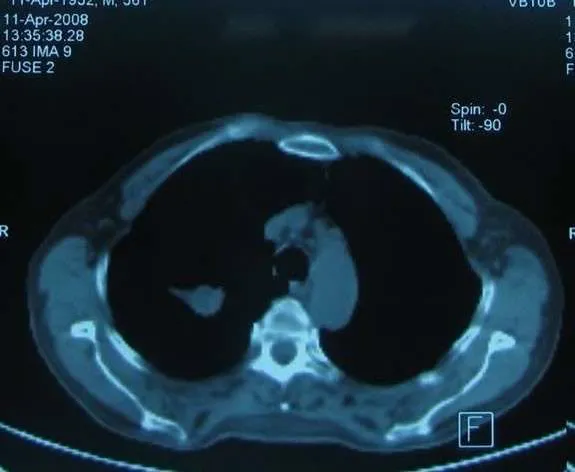
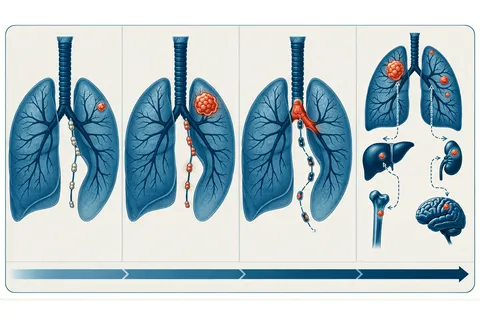
A lung nodule can be benign or malignant. It should be remembered that lung cancer also starts as a millimeter-sized nodule. Because it may be malignant, a nodule in the lung is a condition that should be taken seriously. To distinguish between benign and malignant, a follow-up algorithm is determined based on the size of the nodule and the person's risk factors, such as age and smoking. In some people, imaging follow-up is done at intervals, while further tests such as PET-CT or biopsy should be done when a risky situation is seen.
Does a benign lung nodule turn into cancer?
A nodule in the lung is either benign or malignant. In fact, a benign nodule does not turn into cancer. However, some nodules that are actually cancer may grow very slowly. For this reason, a nodule should be followed at set intervals for at least 2 years to see whether it grows. Nodules that do not grow at all or that disappear during this period are understood to be benign.
What are the diagnostic methods for a lung nodule?
The radiological appearance of nodules, especially on CT, can also give an idea of whether they are benign or malignant. For nodules larger than 1 cm, the cancer screening and differentiation method we call PET-CT is very helpful in determining whether a nodule is malignant. Depending on the patient's age, whether they smoke, and the CT and PET-CT images, these nodules are either followed at certain intervals, or in suitable nodules a tissue sample can be taken with a needle from the outside, or they can be completely removed with closed surgery for a more definitive diagnosis.
Should a lung nodule be removed?
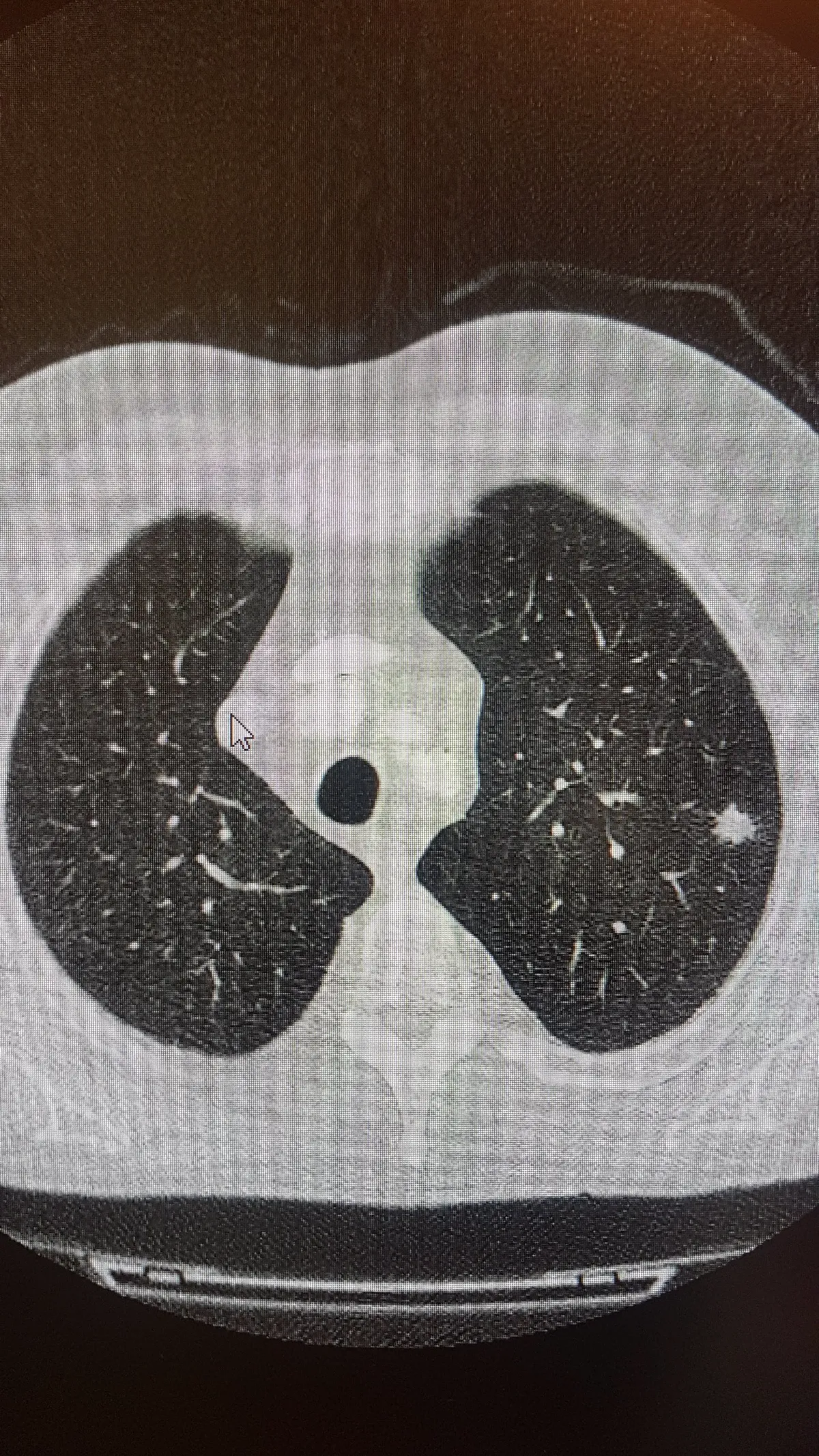
When a nodule is noticed in the lung, the first step is to investigate whether it is benign or malignant. Those with a higher likelihood of being malignant need to be removed with surgery, because malignant tumors caught at this stage have a very high chance of successful treatment if they are surgically removed. We know that it is possible to be completely free of lung cancer caught at an early stage with surgical treatment. The group of lung cancer patients we can help most are those caught at this small nodule stage.
Which surgical method is used to treat a lung nodule?
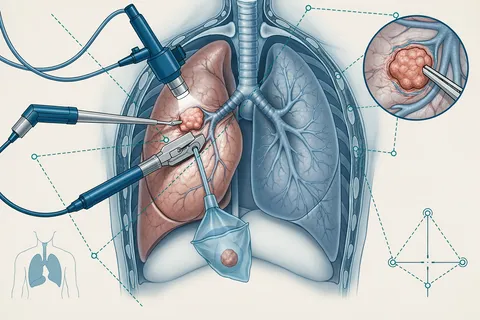
Lung nodules should be treated with the closed surgical method we call VATS or video-assisted thoracoscopic surgery. With VATS surgery performed through a single port, the patient's nodule is removed, and frozen-section pathology is used in the same session to determine whether the nodule is benign or malignant. If the result shows that it is malignant, the cancer operation is completed in the same procedure, again with the closed method through a single port: a lung lobe or segment is removed according to standard practice, and in addition all the lymph nodes inside the chest cavity are cleared.
Lung nodules are small masses of tissue in the lung that are usually seen on an X-ray or CT scan. These nodules may be benign or malignant. Nodules are described by their size, density and shape. While smaller, smooth nodules are generally considered noncancerous, nodules with irregular borders, mixed density or that grow over time are among those that carry a risk of cancer.
Lung nodule surgery is performed with a closed method known as VATS. The procedure includes the following steps:
General Anesthesia: The patient is given general anesthesia for the operation, so the patient is not conscious during the procedure.
Surgical Access: An incision of approximately 3 cm is made in the chest. Through this incision, a camera 1 cm in diameter and surgical instruments are advanced along the inside of the ribs to the lung.
Removal of the Nodule: Guided by the images from the camera, the nodule in the lung is precisely removed.
Pathology Examination: The removed nodule is sent to the laboratory for pathology examination. The pathology results determine whether the nodule is cancer.
Lobectomy: If the pathology results show lung cancer, an operation called lobectomy is performed in the same session. Lobectomy involves removing a part of the lung. Lung nodules usually cause no symptoms and are found by chance during chest scans done for other reasons. The cancer risk of these nodules varies depending on their size.
In this way, lung nodule surgery is performed with the VATS method, and patients' recovery is completed within a short time.
Nodules smaller than 6 mm in diameter generally have a low cancer risk and are followed up. Nodules between 6 mm and 10 mm are carefully evaluated. Because nodules larger than 10 mm carry a high cancer risk, a biopsy or surgery may be needed. Nodules larger than 3 cm are called a "lung mass" and require special evaluation. The causes of lung nodules include a range of factors such as infections, enlarged lymph nodes, scars, cysts and lung cancer. For this reason, a series of diagnostic tests and procedures is used to assess whether a lung nodule is cancer. If the nodule has a high risk of being cancer or tends to grow, doctors may perform a biopsy. A biopsy, by taking tissue samples from the nodule, helps confirm or rule out the presence of cancer.
In conclusion, in the case of a lung nodule, the first priority is to establish the diagnosis and, if necessary, to determine the appropriate treatment. For this reason, when a lung nodule is diagnosed, it is important that it be carefully evaluated and followed by a specialist healthcare team.
What Causes Lung Nodules?
Lung nodules can arise for different reasons. Here are some factors that can cause lung nodules:
Infections: Infections in the lungs, especially bacterial or fungal infections such as pneumonia or tuberculosis, can cause lung nodules.
Lymph Node Enlargement: Enlargement of lymph nodes in the lungs can lead to nodules forming in these areas.
Fungal Infections: Lung diseases caused by fungi can contribute to the development of nodules in the lungs.
Mucus Buildup: Sputum or mucus collecting in the small airways can contribute to the formation of lung nodules.
Scars: Scars from previous lung surgery or injuries can cause nodules to appear.
Cysts: Cysts or fluid-filled sacs in the lungs can lead to nodules.
Cancer: Unfortunately, lung cancer or metastatic cancers (cancers that have spread to the lung from other organs) can sometimes appear as nodules in the lungs.
Can lung nodules go away on their own?
Benign lung nodules do not spread and are generally not life-threatening. Sometimes these nodules are inflammatory in nature and may shrink or disappear on their own by your next scan.
Can you have more than one lung nodule?
Yes, you can have more than one lung nodule. Multiple nodules do not necessarily mean that your nodules are cancerous.
A nodule was seen in my lung. What should I do?
Your doctor will create a plan for monitoring or further diagnostic tests, taking into account the size, appearance and other characteristics of the nodule. These tests may include repeat CT scans, PET scans and biopsy.
Not every lung nodule is cancer, and many nodules can result from benign (noncancerous) causes. For this reason, it is important to follow the monitoring and diagnostic process according to your doctor's guidance. The cause of a lung nodule and the potential treatment options may vary depending on the characteristics of the nodule and the patient's medical condition.
Frequently Asked Questions
What causes a spot on the lung?
What is commonly called a "spot on the lung" refers to small lesions seen on a chest X-ray or computed tomography. This lesion may be a formation caused by infection, a benign or malignant tumor, or a fluid-filled cyst. When such an image is seen on an X-ray, it is always necessary to use CT to reveal the lesion's characteristics in more detail (for example, whether it is fluid or solid, whether its borders are smooth or have extensions, how dense it is, and whether it contains calcification).

Prof. Dr. Erdal Okur · Thoracic Surgery
BiographyDo you have a question about this topic? Ask a question