
Lung Surgery Diseases

Lung surgery is the field of thoracic surgery that deals with diseases of the lungs, bronchi and pleura that may require surgical evaluation. Surgical treatment options may be considered for lung cancer, lung nodules, cysts, pneumothorax and some pleural diseases.

However, not every lung disease requires surgery. Whether surgery is needed is determined by the type and extent of the disease and the patient's clinical condition.

Below you can review the main diseases that lung surgery deals with and find more detailed information on the related pages.

Lung Diseases

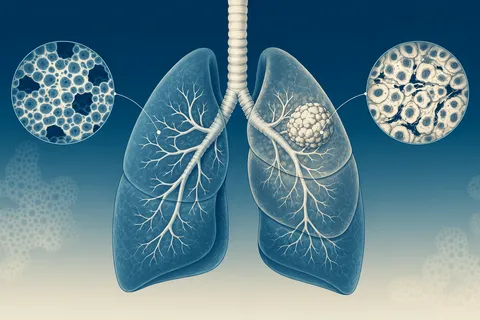
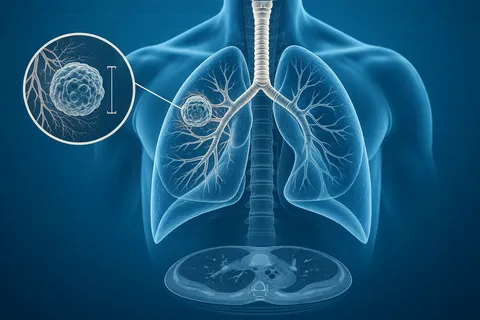
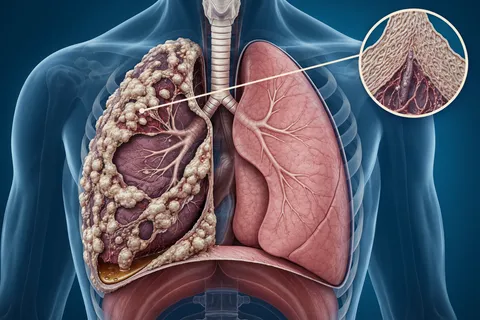
  • Medical illustration showing a tumor and cancer cells in the lung

    Lung Cancer

    Lung cancer refers to malignant tumors that develop from the uncontrolled growth of cells in lung tissue or the airways. It is classified mainly as small cell and non-small cell lung cancer.

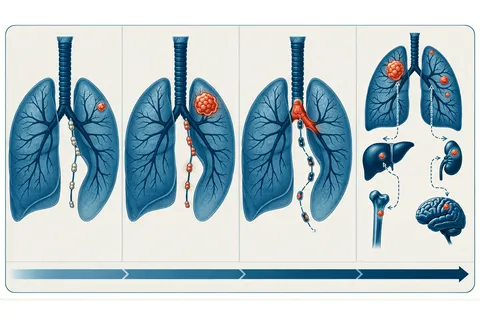
  • Medical illustration showing the spread of lung cancer by stage

    Lung Cancer Stages

    Lung cancer staging is a classification that evaluates the size of the tumor, its spread to surrounding tissues and lymph nodes, and whether there is metastasis to distant organs. The stage of the disease plays a central role in determining the treatment plan.

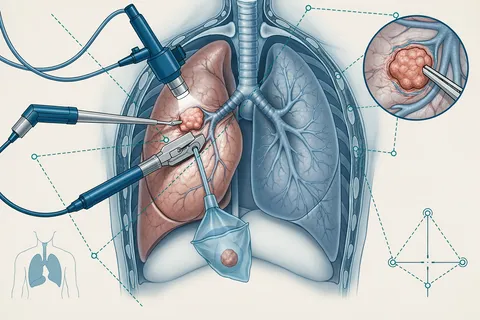
  • Medical illustration showing lung cancer treatment options

    Lung Cancer Treatment

    Lung cancer treatment includes different options such as surgery, radiotherapy, chemotherapy, immunotherapy and targeted therapies, depending on the type and stage of the disease and the patient's overall health.

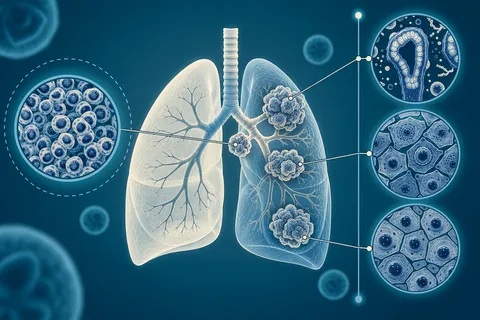
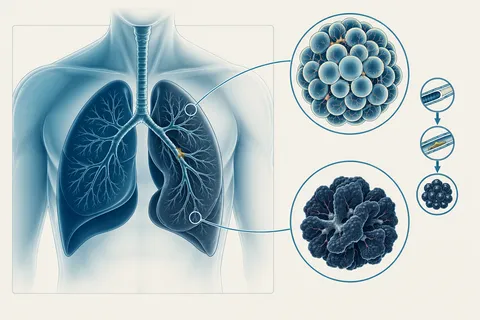
  • Medical illustration showing lung cancer cell types

    Types of Lung Cancer

    Lung cancer is divided into two main groups: non-small cell lung cancer (NSCLC) and small cell lung cancer (SCLC). These two types differ in their biological features, the course of the disease and treatment approaches.

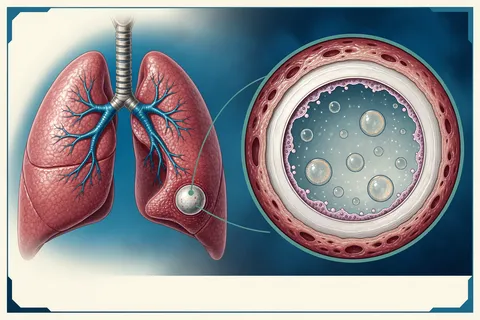
  • Medical illustration showing a lung cyst

    Lung Cysts

    Lung cysts are cavities that develop in lung tissue and may contain air or fluid. There are different types of cysts, present at birth or developing later; the hydatid cyst caused by a parasitic infection is one of them.

  • Medical illustration showing a mass in the lung

    Mass in the Lung

    A mass in the lung describes an abnormal tissue growth seen on imaging, usually larger than 3 cm. Masses can have benign or malignant causes, and finding a mass does not by itself mean a cancer diagnosis.

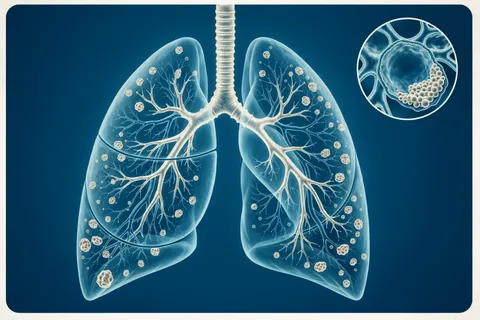
  • Medical illustration showing metastatic lesions in the lung

    Lung Metastasis

    Lung metastasis is the spread to lung tissue of a cancer that started in another organ of the body. Unlike a primary cancer that arises in the lung, metastatic disease is evaluated according to the type of cancer it originates from.

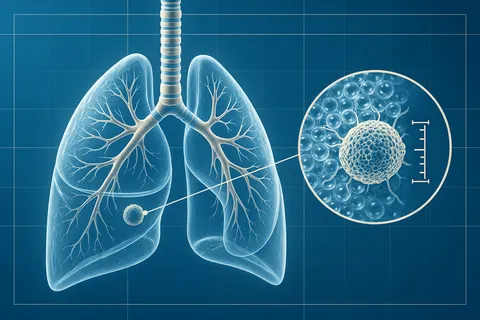
  • Medical illustration showing a small, round nodule in the lung under a magnifying glass

    Lung Nodule

    A lung nodule is a well-defined growth in lung tissue, 3 cm or smaller in diameter, detected on imaging. Nodules can arise from different causes such as infection, inflammatory changes, benign growths or cancer.

Pleural Diseases

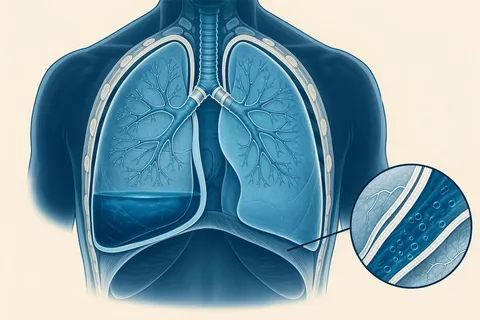
  • Medical illustration showing fluid collecting between the layers of the pleura

    Pleural Effusion

    Pleural effusion is the buildup of more fluid than normal in the space between the pleural layers that cover the lung and the inner surface of the chest wall. It can develop from various causes related to the heart, lungs, infection or cancer.

  • Medical illustration showing a mesothelioma tumor in the pleura

    Mesothelioma

    Mesothelioma is a type of cancer arising from the mesothelial tissue that surrounds organs, most commonly the lining of the lung (pleura). Pleural mesothelioma is strongly associated with asbestos exposure and may require thoracic surgery evaluation.

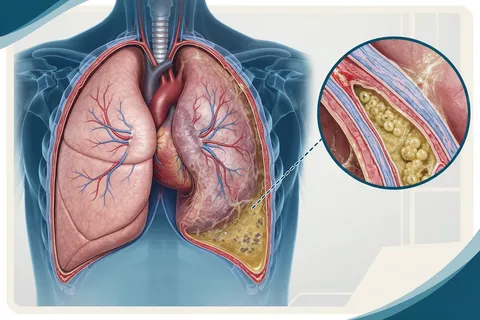
  • Medical illustration showing pus collecting between the layers of the pleura (empyema)

    Empyema

    Empyema is the collection of pus due to infection in the pleural space between the layers of the lung lining. While pleural effusion refers to fluid buildup in general, empyema is defined by infected, purulent content in this space.

Other Lung Conditions That May Require Surgical Evaluation

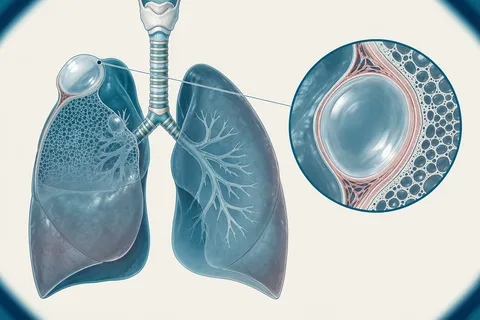
  • Medical illustration showing an air cyst (bulla) in the lung

    Bulla (Lung Air Cyst)

    A lung bulla is an air-filled structure, usually thin-walled and larger than 1 cm in diameter, formed by the enlargement of air spaces in lung tissue. It may be seen particularly in association with emphysema, but it can also develop for other reasons.

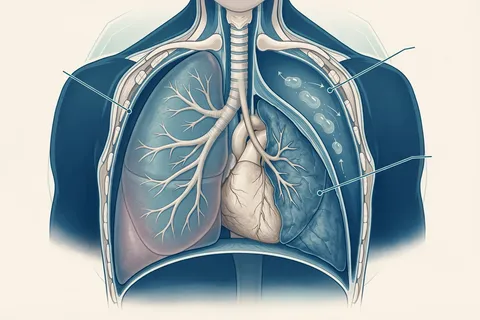
  • Medical illustration showing the lung collapsing as air enters the chest cavity

    Pneumothorax

    Pneumothorax is the partial or complete collapse of the lung as a result of air entering the pleural space between the lung and the chest wall. It can develop spontaneously or after trauma or medical procedures.

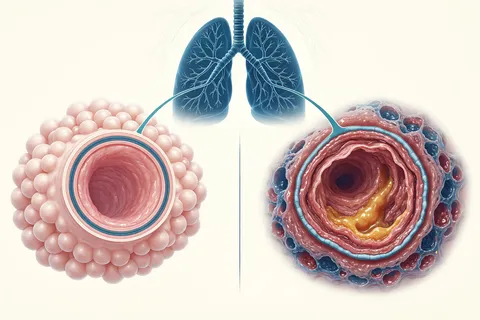
  • Medical illustration comparing a normal bronchus with a widened bronchus

    Bronchiectasis

    Bronchiectasis is a chronic airway disease characterized by permanent, abnormal widening of the bronchi. It is usually associated with impaired airway clearance, chronic inflammation and recurrent infections.

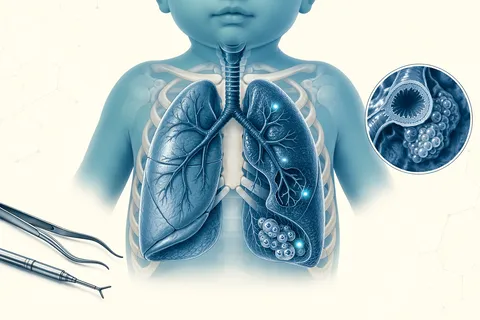
  • Medical illustration showing an infant's lungs and a congenital lung problem

    Lung Surgery in Infants and Children

    Lung surgery in infants covers various conditions that may require surgical evaluation, particularly congenital lung and airway anomalies. Some of these conditions can be detected before birth or during infancy.

  • Medical illustration showing part of the lung losing its air and collapsing (atelectasis)

    Atelectasis

    Atelectasis is the loss of volume and collapse of part or all of the lung because it cannot be adequately inflated. It can occur for different reasons, such as airway blockage, external compression or changes that develop after surgery.

Which Diseases Does Lung Surgery Cover?

Lung surgery covers the surgical evaluation and, when needed, treatment of some benign and malignant diseases that develop in lung tissue, the airways and the pleura.

Surgical evaluation may be considered to clarify the diagnosis of a growth found in the lung, to remove diseased tissue, to treat a condition that recurs or causes complications, or to intervene in some diseases of the pleura.

That said, surgery is not the first option for every disease. In some patients, regular imaging follow-up, medication or non-surgical procedures may be sufficient. The treatment approach is determined by evaluating the features of the disease together with the patient's clinical condition.

For detailed information on the open and minimally invasive approaches used in lung surgery, see the Lung Surgery Methods page.

To learn when surgical treatment is considered in lung cancer, visit the Lung Cancer Surgery page.

Medical content reviewed by: Prof. Dr. Erdal Okur, Thoracic Surgeon
This page has been prepared for general information. The diagnosis and treatment of diseases require an individual medical evaluation.

Frequently asked questions

Which diseases does lung surgery deal with?

Lung surgery deals with conditions that may require surgical evaluation, such as lung cancer, lung nodules and masses, some lung cysts, pneumothorax, bronchiectasis and pleural diseases. Surgery is not needed for every disease.

Does finding a lung nodule mean surgery is needed?

No. A large proportion of lung nodules are benign and may only require follow-up. Monitoring, further investigation or surgery is decided by evaluating the nodule's size, imaging features, change over time and the patient's risk factors.

When is surgical evaluation needed for lung cysts?

Surgical evaluation may be needed depending on the type and size of the lung cyst and the problems it causes. Infection, bleeding, air leak, pressure on surrounding tissues, or certain congenital and parasitic cyst types are situations in which surgical treatment may be considered.

When is pneumothorax treated surgically?

Recurrence of pneumothorax, a persistent air leak, certain occupational risks or underlying lung diseases may lead to surgical treatment being considered. The treatment decision depends on the type and severity of the pneumothorax and the patient's clinical condition.

What is the difference between pleural effusion and empyema?

Pleural effusion is the buildup of more fluid than normal in the space between the pleural layers. Empyema is the presence of pus due to infection in the same space. Empyema may require a different treatment approach to control the infection and drain the accumulated content.

Which specialist should I see for a lung surgery evaluation?

To evaluate whether surgical treatment is needed for a disease of the lung or pleura, you should see a thoracic surgeon. Depending on the disease, the evaluation may be made together with pulmonology, oncology, radiology and other relevant specialties.

Explore the site