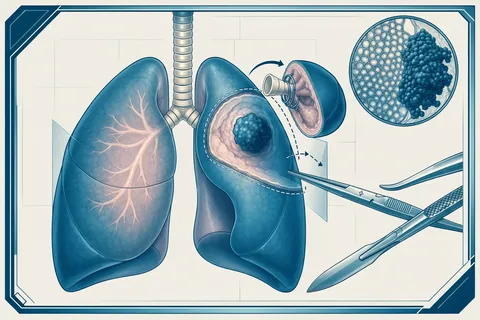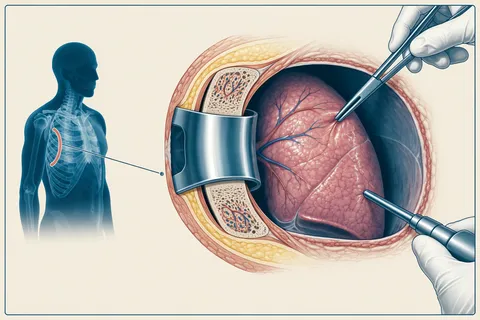
Sweating surgery, a surgical procedure used to treat excessive sweating of the hands and armpits, is called thoracic sympathectomy or the Clipped ETS Method.
After this operation, excessive sweating decreases markedly in most patients and stops completely in some.
The operation is usually performed with an endoscopic method, and patients usually notice right after surgery that their sweating has decreased and their hands feel warmer. For this reason, patients can return to their daily lives quickly after the operation.
Sweating surgery can bring considerable relief, especially to people who experience excessive sweating of the hands and armpits.
What is excessive sweating (hyperhidrosis)?
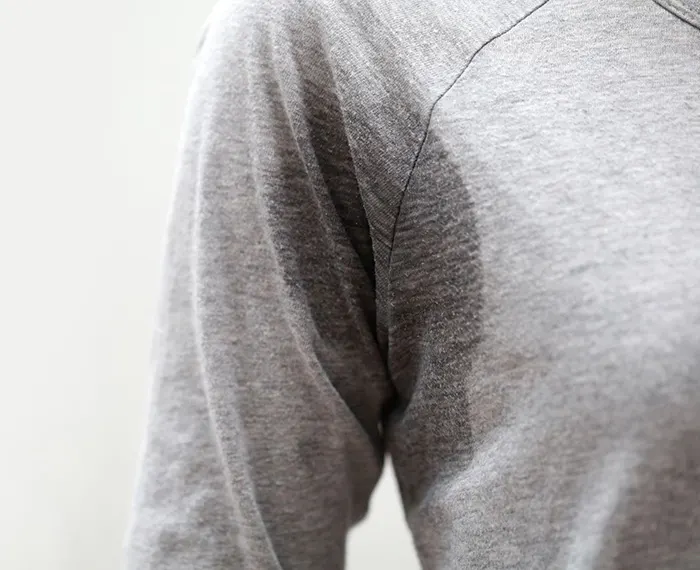
Sweating is one of the body's defense mechanisms. Sweating cools the body in very hot weather, and at the same time harmful toxins are removed from the body. However, especially in younger people, sweating can be very excessive and limited to certain areas. Sweating can be very excessive in the hands (palms) and the armpits. Excessive sweating can cause many difficulties in daily life. A person may struggle at work, paper documents may get wet, and they may need to dry their hands frequently. The person feels uncomfortable shaking hands with others. Difficulties may arise in social life.
What Causes Excessive Sweating?
There may be some triggers around you that can cause your sweat glands to produce more sweat:
Emotional Factors: Certain emotional states, especially stress, anxiety, fear or nervousness, can increase sweating.
Hot Weather and High Humidity: High temperatures and high humidity levels can make the sweat glands work harder.
Physical Activity: Body temperature rises during exercise or physical activity, which can increase sweating.
Eating Habits: Certain foods and drinks, such as spicy, fatty, sugary and salty foods, as well as foods high in protein, can increase sweating. For example, caffeinated drinks (such as coffee) and alcohol can affect sweating.
Medications: Some medications can cause sweating as a side effect.
These factors can activate the sweat glands to regulate body temperature.
What are the symptoms of excessive sweating (hyperhidrosis)?
In people with hyperhidrosis, it causes complaints such as:
– excessive sweating, coldness and sometimes redness of the hands and armpits
– flushing, sweating and hot flashes of the face
In these people, the hands or armpits are constantly damp and wet, sometimes to an extent that limits daily life. They may face situations that become bothersome when constant, such as frequently changing clothes, avoiding handshakes and the paper getting wet while writing.
How is excessive sweating (hyperhidrosis) treated?
Although some medications, lotions and creams are used to treat localized hyperhidrosis, patients usually do not get a satisfactory response. Although the nerves to the hands and armpits can be blocked with local Botox injections, this procedure is both inconvenient and its effect is limited to a few months.
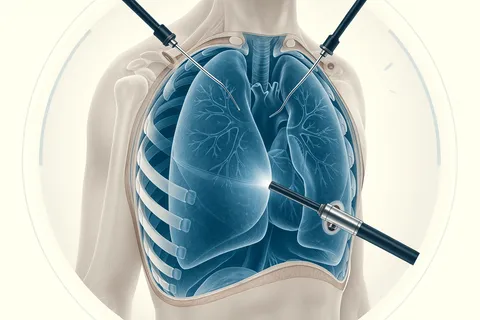
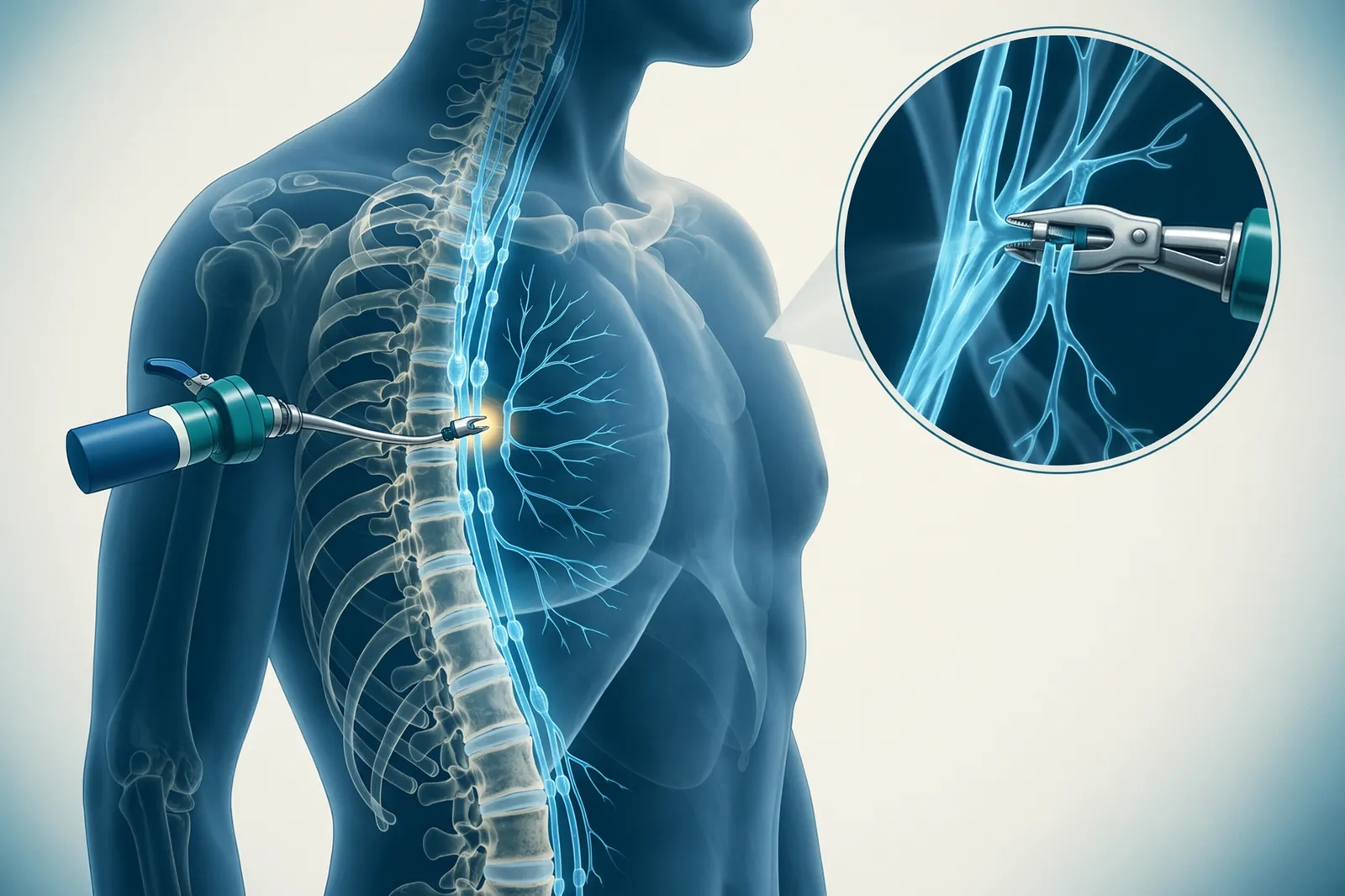
In the treatment of hyperhidrosis, "thoracic sympathectomy" sweating surgery is performed. It is based on cutting part of the nerve inside the chest called the sympathetic nerve, which stimulates the sweat glands that cause excessive sweating, or clipping it to stop it from functioning. This operation is also called the "Clipped ETS Method." The operation is performed endoscopically through 1 cm incisions in the armpit area, under general anesthesia, on both sides in the same session.
Most patients notice right after surgery that their sweating has decreased and their hands have warmed up. After Clipped ETS surgery, patients stay in the hospital for only one day and can return to their daily lives the next day. ETS surgery usually improves excessive sweating of the hands and armpits and, partly, of the face. It will not help sweating in other parts of the body (back, feet, etc.).
Is ETS surgery harmful?
Cutting or clipping the nerve during the ETS method usually has no negative effect on the patient's hand and arm movements or sensation; the operation improves the patient's complaints in 90-95% of cases. Only in a very limited number of people, while sweating of the hands and armpits improves after surgery, sweating may increase in other parts of the body such as the groin and legs.
Videos

How is excessive sweating surgery performed? (in Turkish)

Is there a solution for excessive sweating? (in Turkish)

Prof. Dr. Erdal Okur · Thoracic Surgery
BiographyDo you have a question about this topic? Ask a question