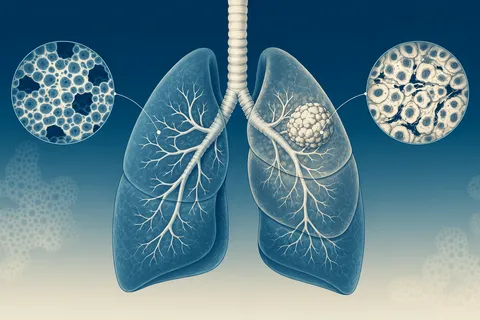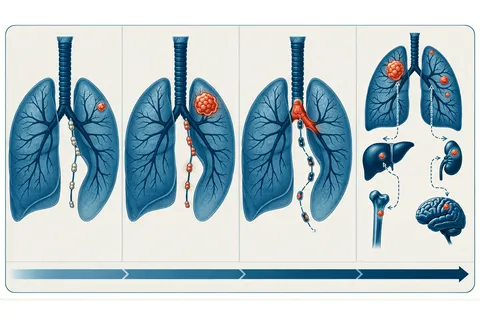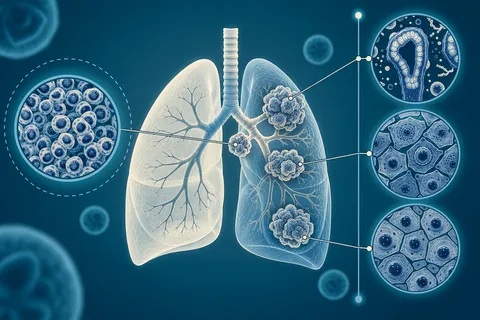
Lung cancer treatment is planned according to whether the cancer is small cell or non-small cell, its stage, the molecular characteristics of the tumor and the patient's overall health. Surgery, chemotherapy, radiotherapy, immunotherapy and targeted therapies may be used alone or in combination. The goal of treatment is to eliminate the disease completely in suitable patients, and in other patients to control the disease, prolong survival and relieve symptoms. Two patients at the same stage may receive different treatments because of the characteristics of the tumor and each patient's suitability for treatment. Treatment options in lung cancer are determined by the type and stage of the disease.
Is There a Treatment for Lung Cancer?
Yes, there are effective treatment options for lung cancer. In some patients, the goal of treatment can be to eliminate the disease completely. In other patients, treatment aims to slow the progression of the cancer and keep the disease under control for as long as possible.
Being able to receive treatment is not the same as a definite cure. The expected benefit and the goal of treatment should be explained after evaluating the patient's own findings.
How Is Lung Cancer Treatment Planned?
Treatment planning generally follows these steps:
- Establishing the diagnosis and pathological type: The sample taken is examined to determine the type of cancer.
- Staging: The local extension of the tumor, the lymph nodes and metastasis status are assessed.
- Necessary molecular tests: Tumor characteristics that may affect the choice of treatment are investigated.
- Evaluation of the patient: Breathing capacity, heart health, coexisting conditions and the level of ability to carry out daily life are taken into account.
- Multidisciplinary evaluation: The treatment plan is created with input from thoracic surgery, medical oncology, radiation oncology and other relevant specialties.
The patient's preferences and possible side effects are also part of the decision process. Stage information forms the basis of this planning, but it does not determine treatment on its own.
What Treatment Methods Are Used in Lung Cancer?
Surgical Treatment
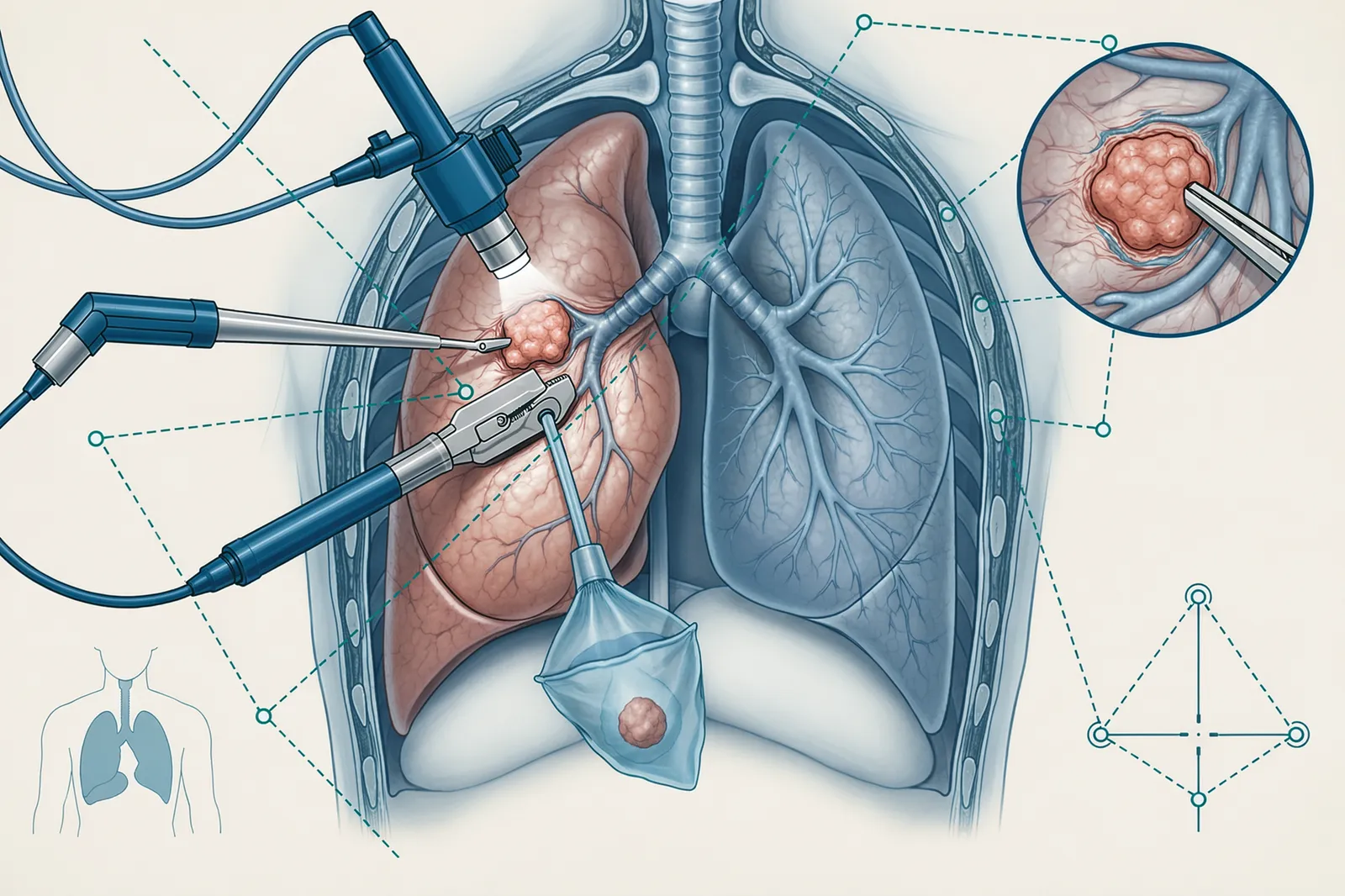
Surgery is an important treatment option, especially in early-stage non-small cell lung cancer. The aim is to remove the tumor with appropriate surgical margins and to carry out the necessary lymph node assessment.
The extent of the operation is determined by the location of the tumor, its spread and the patient's breathing capacity. Minimally invasive (closed) methods can be used in suitable patients; some patients require open surgery.
Lobectomy
Lobectomy is the removal of the lung lobe that contains the tumor. It is one of the anatomical resection methods commonly used in lung cancer surgery.
Segmentectomy and Wedge Resection
In segmentectomy, an anatomical segment of a lobe is removed; in wedge resection, a wedge-shaped piece of tissue containing the tumor is removed. These are not the same procedure. Whether removing a more limited amount of tissue is appropriate is assessed according to the characteristics of the tumor and the patient's condition.
Pneumonectomy
Pneumonectomy is the removal of an entire lung. It may be considered in some situations where the tumor cannot be safely removed with a more limited operation. Before surgery, the function of the remaining lung and of the heart is assessed.
Chemotherapy
Chemotherapy is drug treatment used to kill cancer cells or stop them from multiplying. It can reach different parts of the body through the bloodstream.
In lung cancer, it can be used for different purposes:
- Before surgery: To shrink the tumor and support surgical treatment.
- After surgery: To reduce the risk of recurrence by targeting cancer cells that cannot be detected on imaging.
- In locally advanced disease: As a core part of treatment together with radiotherapy.
- In metastatic disease: To control the disease, alone or together with other drugs.
Not every patient needs chemotherapy. The choice of drugs and the treatment schedule are determined by the pathological type and the patient's ability to tolerate treatment.
Radiotherapy
Radiotherapy is the use of high-energy radiation to target cancer cells. It can be the main treatment in some early-stage patients who are not suitable for surgery. In locally advanced disease, it can be given together with chemotherapy; in selected cases, it can also be added to the treatment plan around surgery.
Stereotactic body radiotherapy (SBRT) is a method that delivers concentrated radiation treatment in fewer sessions for suitable early-stage tumors.
Radiotherapy can also be used to relieve complaints caused by bone pain, bleeding or certain metastases. It does not need to be given routinely after every operation.
Immunotherapy
Immunotherapy includes drugs that help the immune system recognize and respond to cancer cells. Immune checkpoint inhibitors used in lung cancer block some of the mechanisms cancer cells use to escape the immune response.
In choosing treatment, the PD-L1 level, targetable molecular alterations, the stage of the disease and the patient's health may be important. In some patients immunotherapy may be used alone, in others together with chemotherapy, or as part of treatment before and after surgery.
It is not suitable for every patient and should not be regarded simply as a supportive treatment that "strengthens immunity."
Targeted Therapies
Targeted therapies act on specific molecular alterations or cellular mechanisms that play a role in the growth of the cancer.
For example, testing for EGFR, ALK, ROS1 and certain other alterations can guide the choice of drug in suitable patients. Not every genetic alteration makes a patient eligible for the same treatment; the type of alteration detected and the clinical context are important.
For this reason, molecular testing is planned before the treatment decision in patients who need it. Targeted drugs are not options that are "more effective in every patient" or "free of side effects."
Video on Lung Cancer Treatment
Lung Cancer Treatment by Stage
The approach below is a general framework for non-small cell lung cancer. Treatment planning for small cell lung cancer is different.
Treatment of Stage 0 Lung Cancer
In Stage 0, the disease has not progressed beyond the surface layer in which it developed. Treatment aims to remove the lesion completely.
Depending on the location, surgery or selected local/endobronchial methods may be considered. Chemotherapy is not a routine requirement in Stage 0 disease that has been fully treated.
Treatment of Stage 1 Lung Cancer
In patients who are suitable for surgery, surgery is one of the main options. The extent of lung tissue to be removed is determined by the characteristics of the tumor and the patient's breathing capacity.
In patients who are not suitable for surgery, local treatments such as stereotactic radiotherapy may be considered. Additional drug treatment after surgery is not given to every patient; the substage, the risk of recurrence and molecular characteristics are assessed together.
Treatment of Stage 2 Lung Cancer
In patients suitable for surgery, an operation can be an important part of the treatment plan. In addition, systemic treatments before or after surgery are considered.
In suitable patients, chemotherapy may be used together with immunotherapy before surgery, or within a plan that covers the periods before and after surgery. Some molecular characteristics may affect the choice of targeted therapy after surgery.
Not every patient receives the same drug combination. The need for radiotherapy is also assessed separately; it is not routine in every Stage 2 patient who has had surgery.
Treatment of Stage 3 Lung Cancer
Stage 3 covers clinical situations that differ from one another. First, whether the tumor can be surgically removed and whether the patient is suitable for surgery are assessed.
In selected patients, systemic treatment before surgery followed by surgery may be planned. In patients who are not suitable for surgery, chemotherapy and radiotherapy may be given together if their general condition allows. Afterwards, additional systemic treatments may be considered depending on the characteristics of the disease.
A Stage 3 diagnosis does not by itself mean that surgery definitely cannot be performed or that treatment will only be aimed at relieving symptoms.
Treatment of Stage 4 Lung Cancer
In Stage 4, systemic treatments take priority. Targetable molecular alterations, PD-L1 status, the pathological type and the patient's general condition guide the choice of treatment.
In suitable patients, targeted therapy, immunotherapy, chemotherapy or certain combinations of these may be used. In selected patients with a limited number of metastases, local treatments directed at the metastases, such as radiotherapy or surgery, may be considered alongside systemic treatment.
The goal is usually to control the disease, prolong survival and preserve quality of life.
How Is Small Cell Lung Cancer Treated?
In small cell lung cancer, chemotherapy, radiotherapy and, in suitable patients, immunotherapy play an important role.
In limited stage, chemotherapy and chest radiotherapy may be used together in patients whose general condition is suitable. After treatment, additional immunotherapy may be considered in suitable patients. Surgery may be an option for selected patients with very early disease that has been carefully staged.
In extensive stage, chemotherapy and immunotherapy may be given together in suitable patients. Radiotherapy may be used to control certain sites of disease or to relieve symptoms. The decision between preventive treatment directed at the brain and monitoring with imaging is also made on an individual basis.
How Long Does Lung Cancer Treatment Take?
There is no fixed treatment length that applies to everyone. The method used, the goal of treatment, the response and side effects all affect the duration.
- In surgery: The operation itself and the recovery period, plus any additional treatment if needed, are considered separately.
- In chemotherapy: Cycles made up of treatment and rest periods are used. The number of cycles and the intervals between them vary according to the plan.
- In radiotherapy: The number of sessions depends on the technique used and the goal of treatment.
- In immunotherapy and targeted therapies: The length of treatment may be determined according to how well the disease is controlled and how well the treatment is tolerated.
For this reason, the anticipated plan should be explained before treatment begins and updated as needed based on assessments during the process.
What Are the Side Effects of Lung Cancer Treatment?
Side effects vary according to the treatment used and the individual. Not every patient experiences the same complaints.
- After surgery: There may be pain, fatigue and changes in breathing capacity.
- In chemotherapy: Nausea, reduced appetite, weakness, low blood counts and susceptibility to infection may occur.
- In radiotherapy: Fatigue, difficulty swallowing and complaints related to the treated area may occur.
- In immunotherapy: Immune-related problems affecting the lungs, bowel, liver or hormone glands may develop.
- In targeted therapies: Depending on the drug, rash, diarrhea and side effects affecting the function of different organs may occur.
New or worsening complaints should be reported to the treatment team. In situations such as fever, marked shortness of breath, chest pain or severe and persistent diarrhea, medical evaluation should be sought without delay. Sudden and severe symptoms require emergency care.
How Is Follow-Up Done After Lung Cancer Treatment?
Follow-up is done to evaluate the results of treatment, to look for possible recurrence or a new disease, and to manage ongoing side effects.
The frequency of check-ups and the imaging plan are determined by the type of cancer, its stage, the treatment given and the patient's condition. Not everyone follows the same follow-up schedule. When new symptoms appear, it may be necessary not to wait for the scheduled check-up date.
Quitting smoking, nutritional support, appropriate physical activity and, when needed, pulmonary rehabilitation may also be addressed during follow-up.
What Is the Most Successful Treatment for Lung Cancer?
There is no single method that can be considered the most successful for all patients. In suitable patients with early-stage disease, a lasting cure may be the goal with surgery, while for another patient radiotherapy or systemic treatment chosen according to biomarkers may be more appropriate.
Assessing success is not based only on shrinkage of the tumor. Whether the disease recurs, how long it stays under control, survival and quality of life are considered together. For this reason, no definite conclusions about an individual's success or survival should be drawn from general percentages.
Frequently Asked Questions
Can lung cancer be treated at every stage?
There are treatment options at different stages, but the goal and the expected outcome differ. In some patients the goal is a complete cure; in others, long-term control of the disease.
Does every lung cancer patient need chemotherapy?
No. The need for chemotherapy is determined by the type of cancer, its stage, other treatments and the patient's condition.
If surgery cannot be performed, does that mean there are no treatment options left?
No. Radiotherapy and systemic treatments can be used depending on the characteristics of the disease. In some early-stage patients, a cure may be the aim with local treatments that are alternatives to surgery.
Is immunotherapy suitable for every patient?
No. The choice of treatment is assessed together with biomarkers, molecular characteristics, stage and coexisting conditions.
Why is testing done for targeted therapy?
It is done to find out whether the tumor has a molecular feature that a specific drug can target. The test result helps in choosing the appropriate treatment.
Do check-ups continue after treatment ends?
Yes. Even after treatment is completed, individualized follow-up is needed for the status of the disease and possible late side effects.

Prof. Dr. Erdal Okur · Thoracic Surgery
BiographyDo you have a question about this topic? Ask a question