What is pneumothorax?
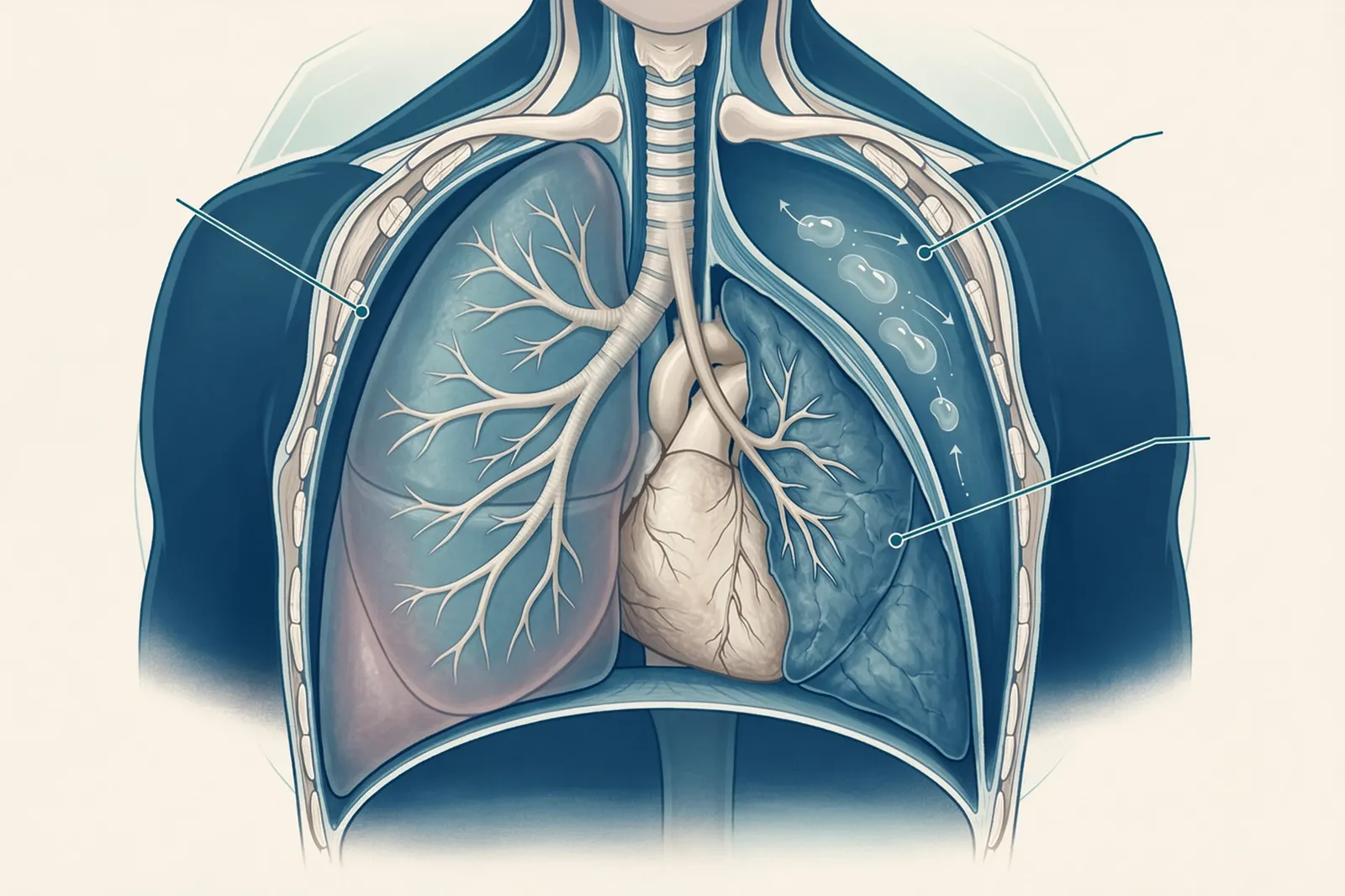
Pneumothorax is air collecting between the layers of the pleura inside the chest cavity. Some people have small air sacs up to 1 cm in size, which we call "blebs," on the surface of the lung, especially in its upper part; these may be present from birth or develop later. When these air sacs rupture on their own, the air breathed into the lungs escapes outside the lung and collects between the pleural layers, and as it increases it causes the lung to collapse.
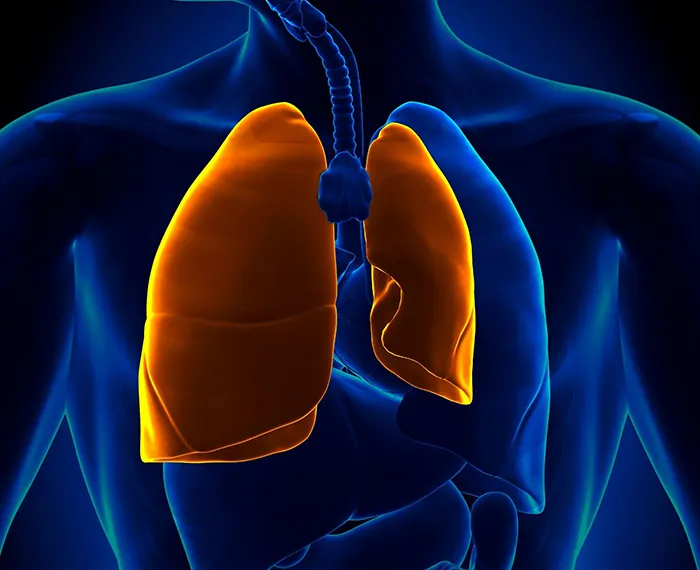
Because the patient cannot use the lung on that side, shortness of breath may develop, and there is usually pain on the same side of the chest, in the back or shoulder, which can sometimes even spread toward the abdomen.
What causes pneumothorax?
Although there is no clear information on why pneumothorax occurs, it can generally appear after trauma or after surgical procedures on the lungs. However, the most common type of pneumothorax is "spontaneous pneumothorax" (one that occurs on its own).
What are the symptoms of pneumothorax?
The most common symptoms of pneumothorax that may be seen are:
- shortness of breath,
- chest pain that starts suddenly and can be very severe,
- low blood pressure,
- cough,
- rapid pulse,
- bluish discoloration of the lips.
Symptoms may become more severe depending on the effect of the pneumothorax on the lung.
How is pneumothorax diagnosed?
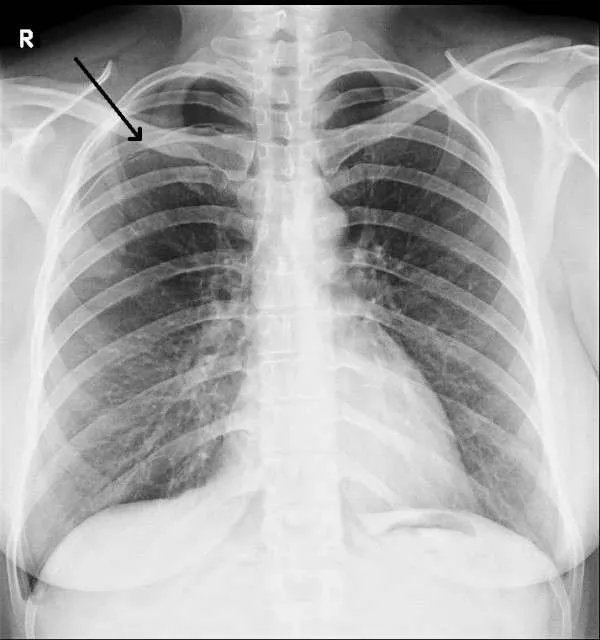
In a patient who comes in with the symptoms above, pneumothorax is diagnosed based on physical examination findings and a chest X-ray. The chest X-ray typically shows free air collected inside the chest and the lung on that side collapsed and smaller. Very rarely, if the situation is uncertain or complex, a chest CT provides a definitive diagnosis.
How is pneumothorax treated?
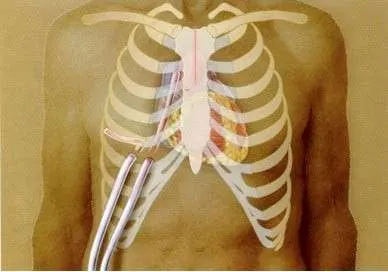
Chest tube insertion: If the pneumothorax is moderate or large, or if the patient has marked shortness of breath, a surgical procedure is needed. In this procedure, a catheter or drain is inserted through the chest wall into the pleural space and the collected air is drained out. After this procedure, which is done with the patient admitted to the hospital, the air inside the chest generally drains within a few days, the lung re-expands and returns to normal, and when air stops coming from inside, the drainage is ended.
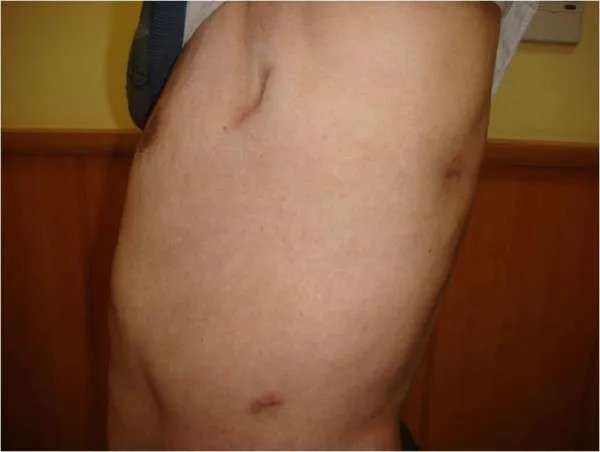
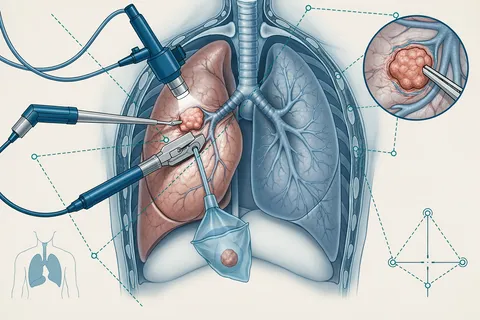
Endoscopic surgery: If the pneumothorax recurs, or if the air leak does not resolve the first time, the problem needs to be corrected with endoscopic surgery. In endoscopic surgery, the problem area on the lung surface is repaired through a single port. Patients are discharged 2 or 3 days after the operation.
Does pneumothorax come back?
What we call spontaneous pneumothorax, which is generally seen in younger age groups and has no underlying disease, can recur in about 10% of cases after it happens once. The recurrence may be in the lung on the same side or in the opposite lung. For recurrent pneumothorax, the most appropriate treatment is surgery with video-assisted thoracoscopic surgery (the VATS method) rather than placing a chest tube again. In those who have surgery, the likelihood of recurrence is very low.
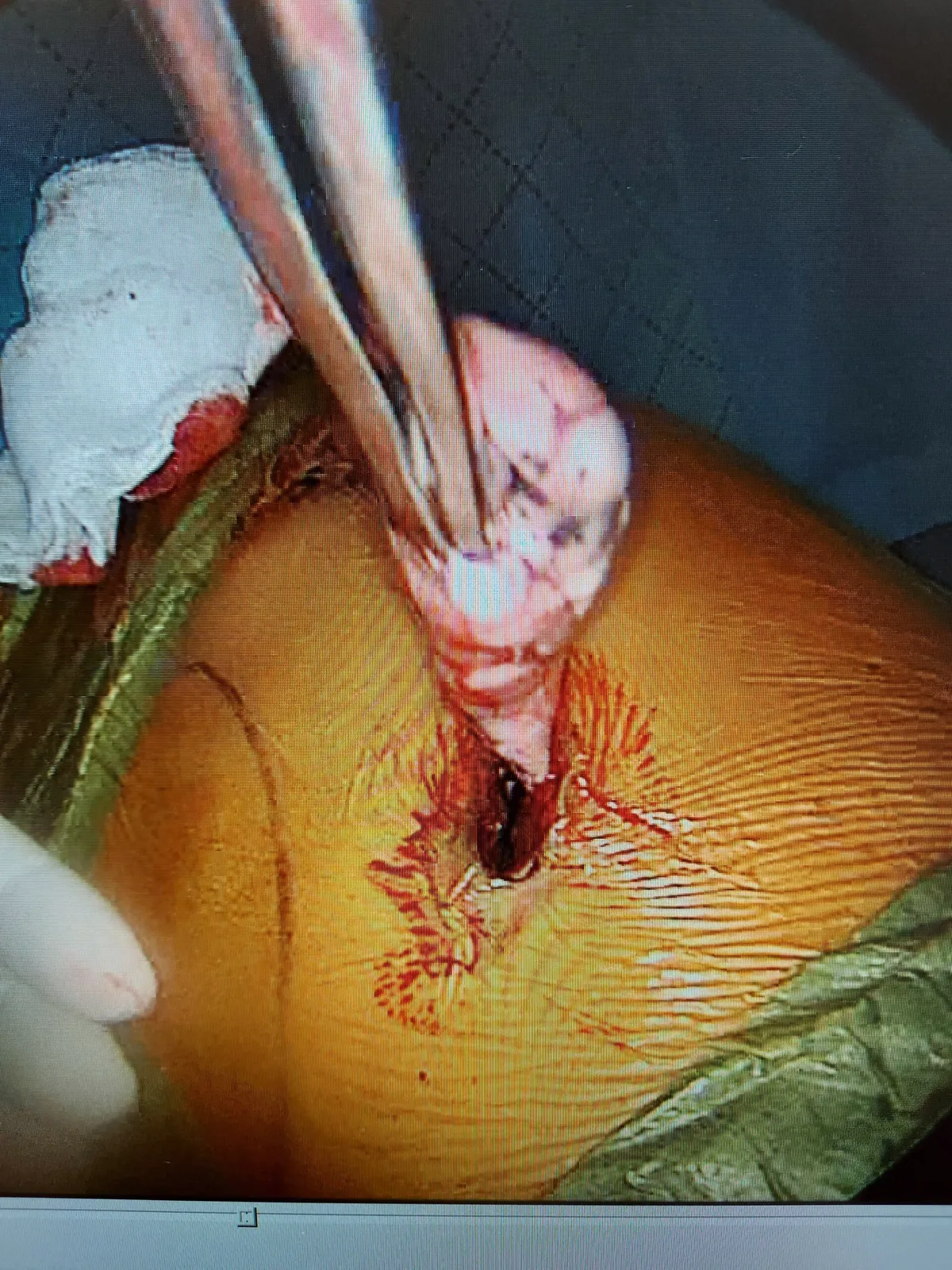
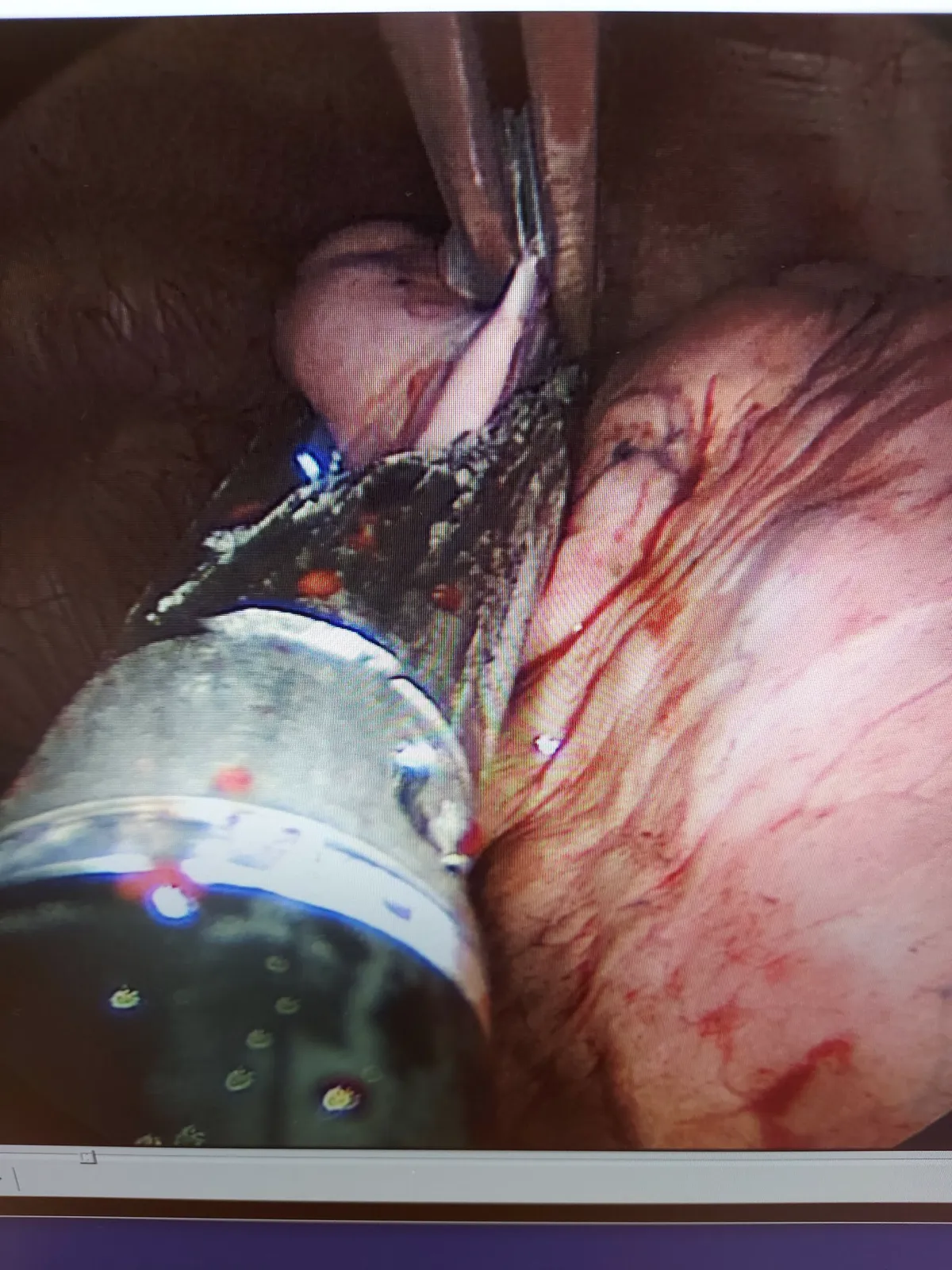
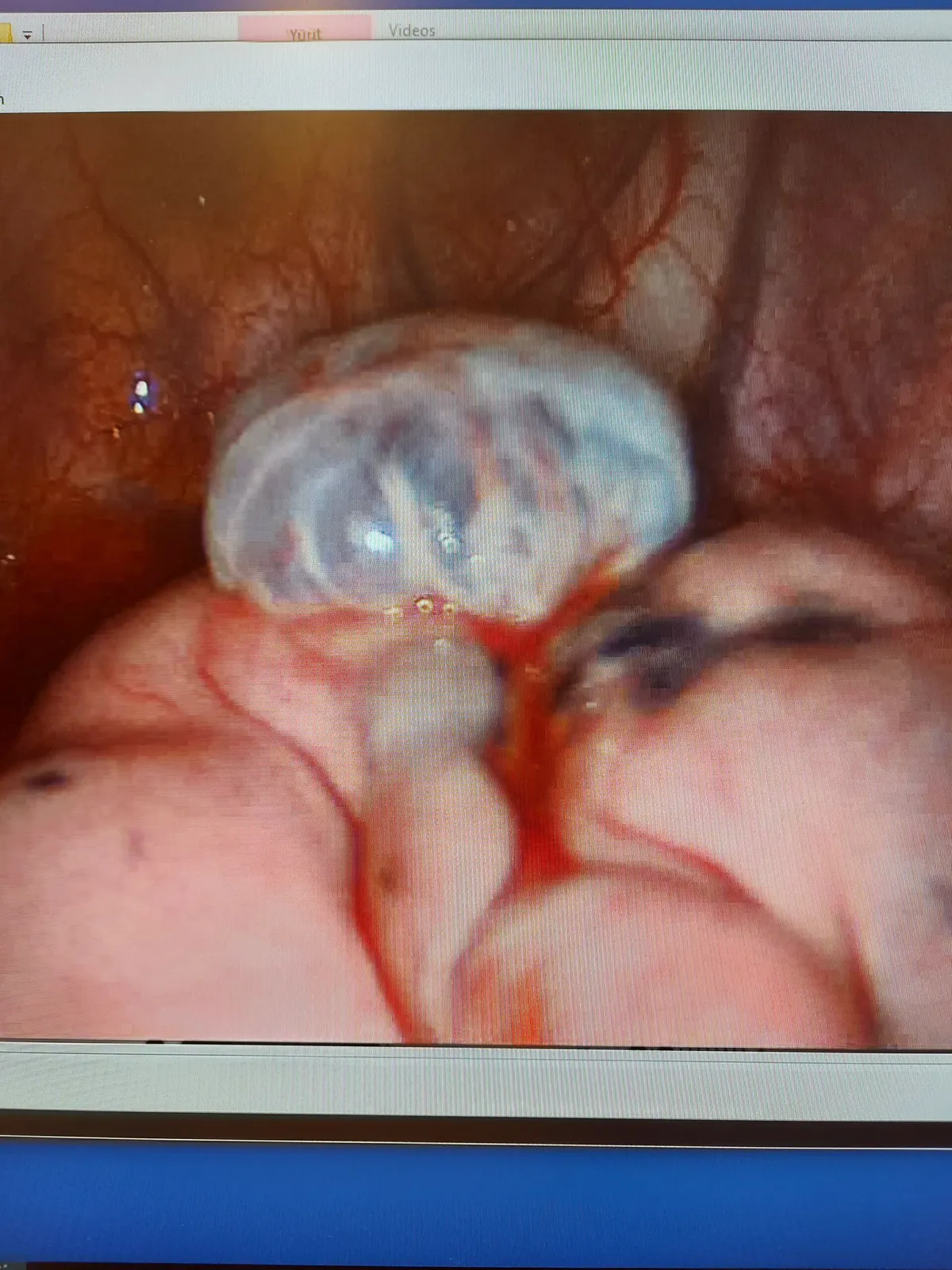
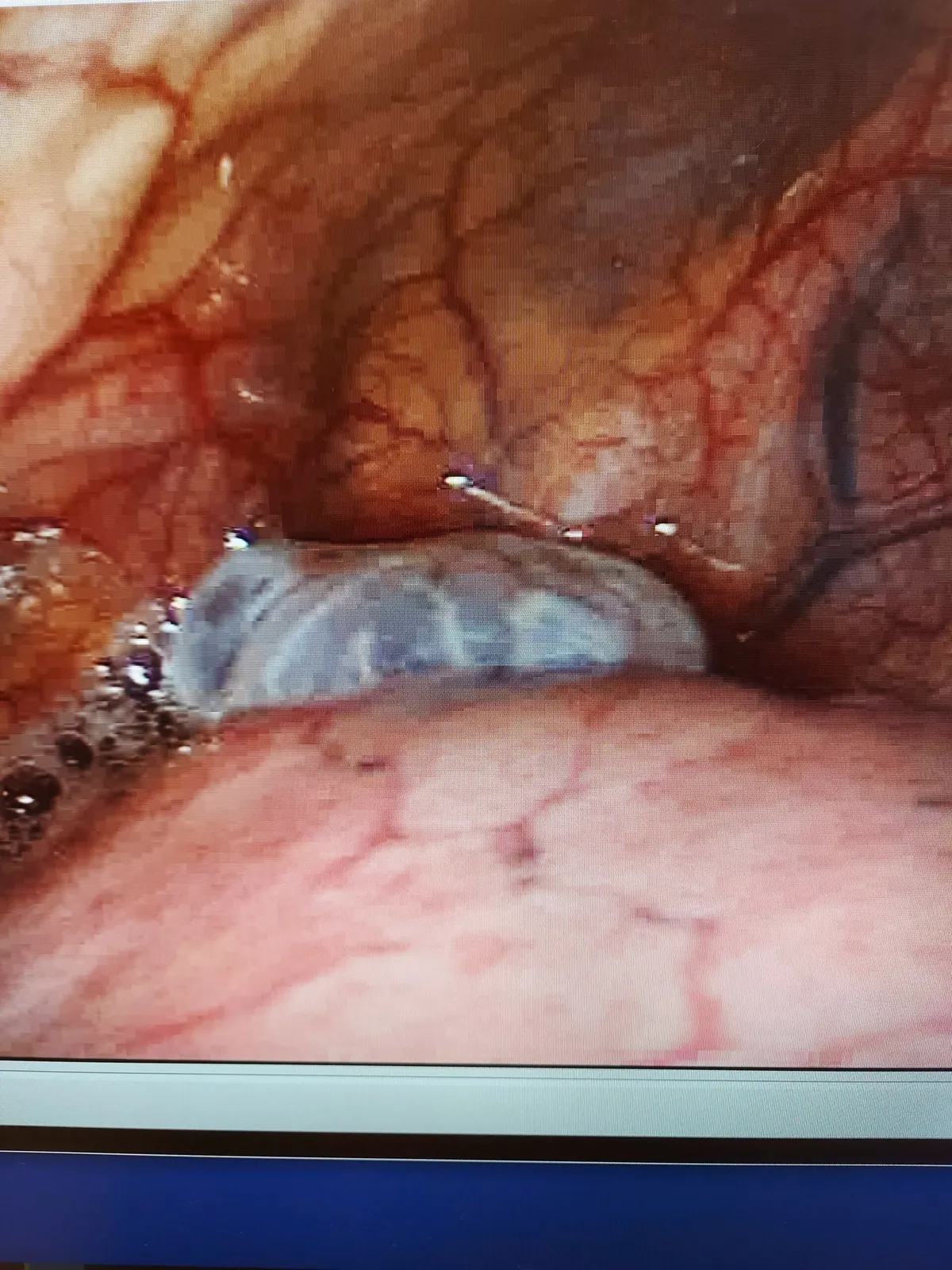
What is done in pneumothorax surgery?
When surgery is performed for pneumothorax, the first step is to look for the site of the air leak on the lung surface. Water is placed in the chest cavity, and by watching the air bubbles that come out, the site of the air leak is found and closed using a surgical closure device we call a "stapler." In addition, if there is any air sac formation (bulla or bleb) on the lung, this area is also removed with the help of the stapler. There is usually an area with air sacs at the very top of the lungs. This 2-3 cm area of lung, which has the potential to cause pneumothorax, is removed. In addition, it is also necessary to strip the uppermost part of the outer lining (pleurectomy) or to perform abrasion (roughening). These surgical procedures generally do not significantly affect how the lungs work or their capacity.
Can pneumothorax turn into cancer?
Pneumothorax (air collecting between the pleura and the chest cavity) does not directly cause cancer or turn into cancer. Pneumothorax itself can prevent the lungs from expanding properly and lead to breathing problems, but it does not turn into cancer.
However, recurrent or frequent pneumothorax may be a sign of another underlying health problem. The risk of pneumothorax may be higher in people who smoke. The risk of developing pneumothorax increases in patients with smoking-related chronic obstructive pulmonary disease (COPD) and emphysema. Smoking is a risk factor that can lead to serious health problems such as lung cancer.
For this reason, it is important for people diagnosed with pneumothorax to consult a doctor about their risk factors and medical history and, when necessary, to have regular follow-up and screening tests. What matters is not pneumothorax turning into cancer, but identifying and monitoring the factors that increase cancer risk.
What should pneumothorax patients pay attention to?
People who have had a pneumothorax are more likely than the general population to have a second one. The likelihood that someone who has had one pneumothorax will have a second during the rest of their life is about 10%, while for someone who has had two, the likelihood of a third is about 50%. For this reason, people who have a second pneumothorax episode need surgical treatment (an operation to remove the at-risk area of the lung and strip the pleura).
There are some important points that people at risk of pneumothorax should keep in mind. Here is what pneumothorax patients should pay attention to:
Not Smoking: Smoking can increase the risk of pneumothorax or contribute to its recurrence.
Physical Activity: Physical activity can support lung health. People who have had a pneumothorax should avoid strenuous exercise or heavy lifting in the early period (the first 1-2 months). Apart from this, only scuba diving is prohibited. There is no restriction on other sports, air travel, mountain climbing, etc.
Monitoring Symptoms: Especially if you have had an episode before, watch for symptoms of pneumothorax (for example, chest pain, shortness of breath) and see a healthcare professional immediately if any suspicious symptom appears.
Frequently asked questions
Does pneumothorax turn into cancer?
No. Pneumothorax does not directly cause cancer or turn into cancer. However, recurrence may be a sign of another underlying health problem; assessing risk factors is important, especially in people who smoke.
Does pneumothorax come back?
Spontaneous pneumothorax, which usually occurs at a young age without an underlying disease, can recur in about 10 percent of cases after it happens once. The recurrence may be in the same lung or in the opposite lung.

Prof. Dr. Erdal Okur · Thoracic Surgery
BiographyDo you have a question about this topic? Ask a question