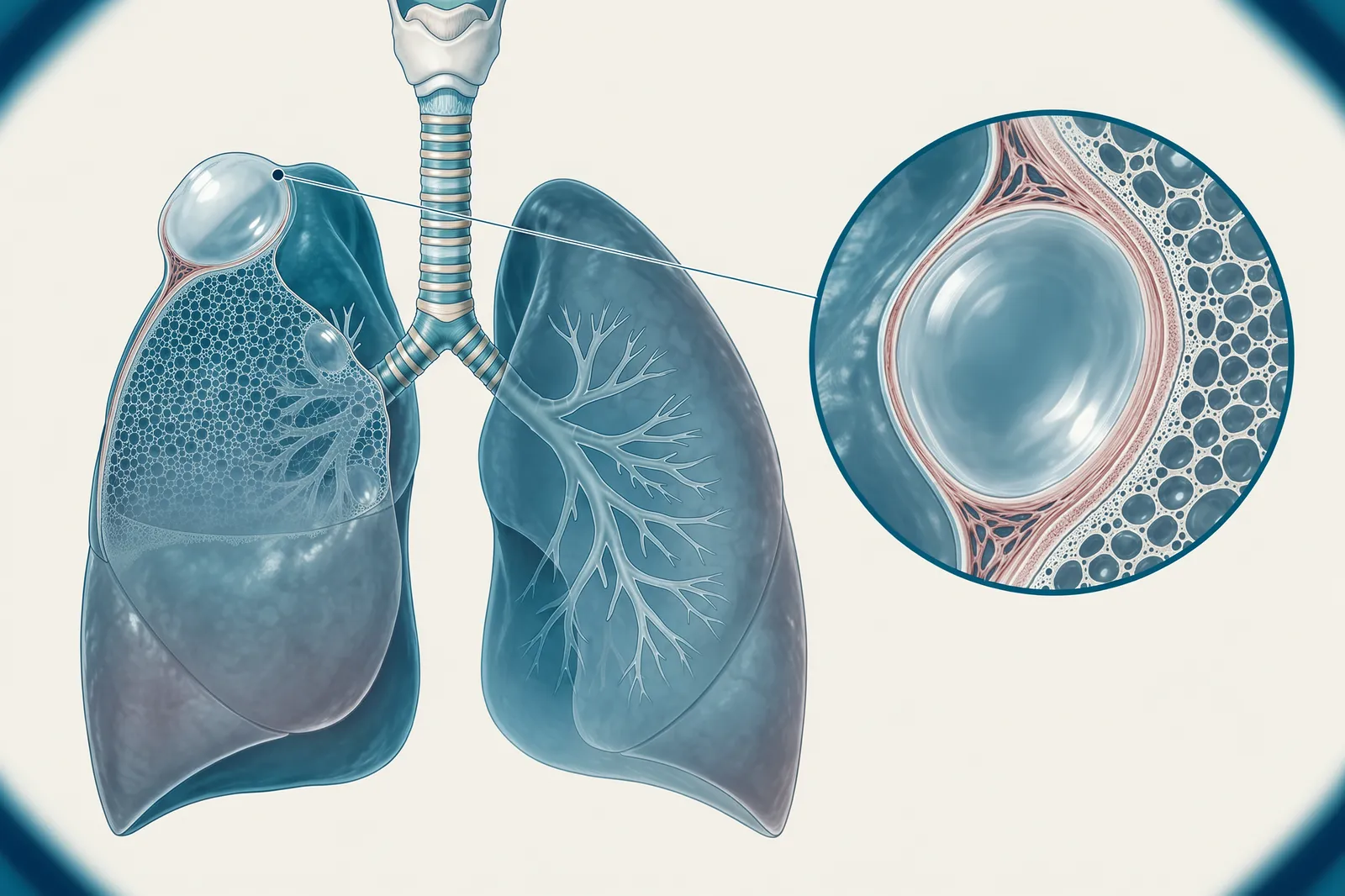
Air sacs or balloons that we call air cysts or bullae can form in the lungs, especially in patients with emphysema who have smoked for many years, but sometimes also in people who do not smoke.
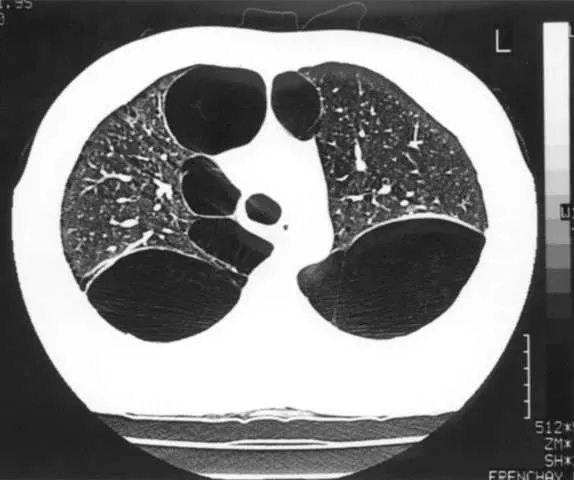
Air sacs or balloons that we call air cysts or bullae can form in the lungs, especially in patients with emphysema who have smoked for many years, but sometimes also in people who do not smoke. Air sacs up to 1 cm in size are called blebs, and those larger than 1 cm are called bullae. These air sacs can sometimes grow as large as 10-15 cm. Because no gas exchange can take place inside these air sacs to clean the blood, and because the air sac also presses on healthy lung and prevents the healthy part from working well, it impairs the patient's breathing and causes shortness of breath.
Is a lung air cyst dangerous?
The breathing capacity of patients measured before surgery may have dropped to one-quarter or even one-fifth of what would normally be expected. On the other hand, these air sacs can rupture on their own or become infected and cause other unwanted problems (complications). A ruptured air cyst can cause pneumothorax, also called a collapsed lung, which can be dangerous for the patient.
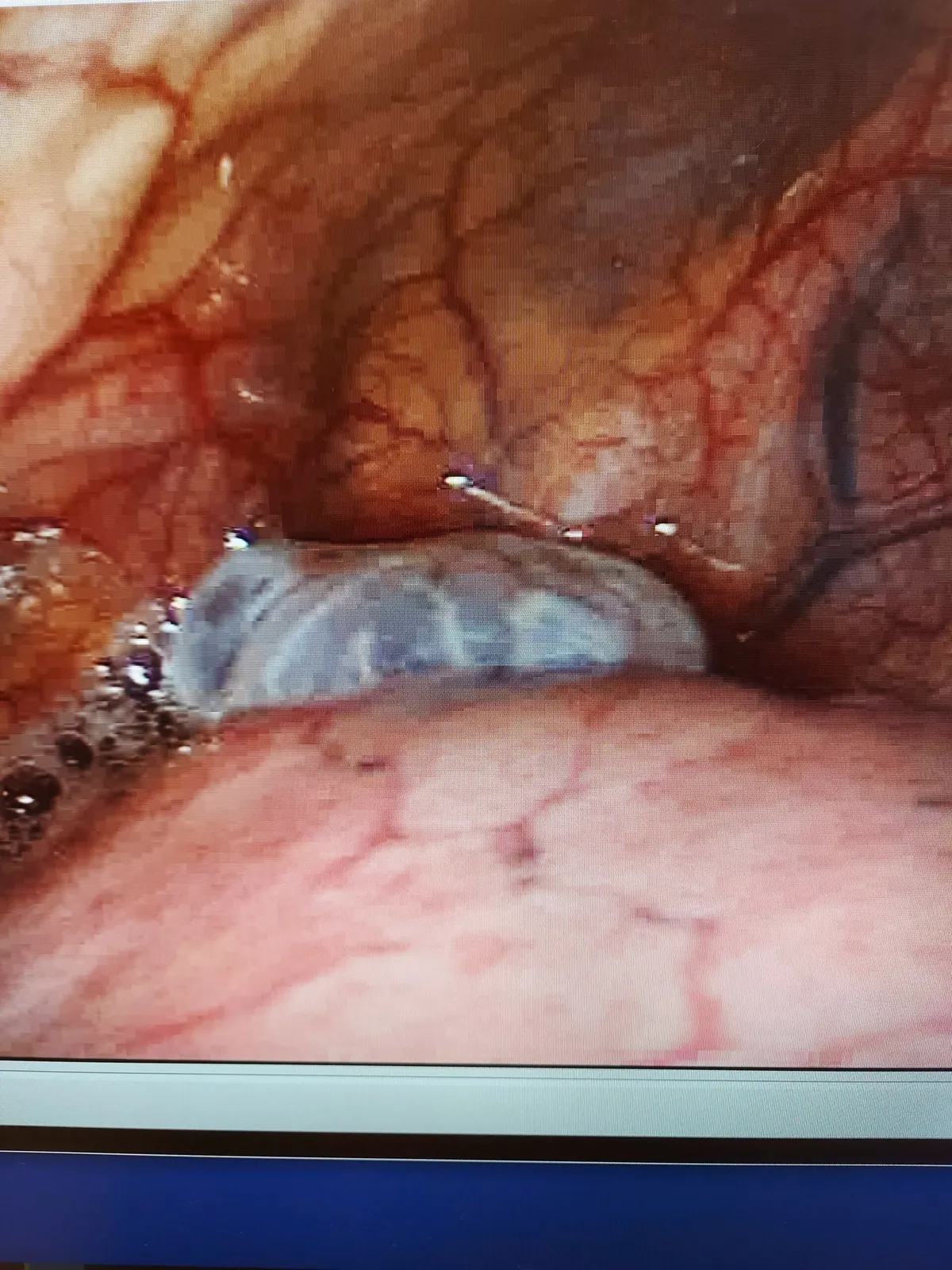
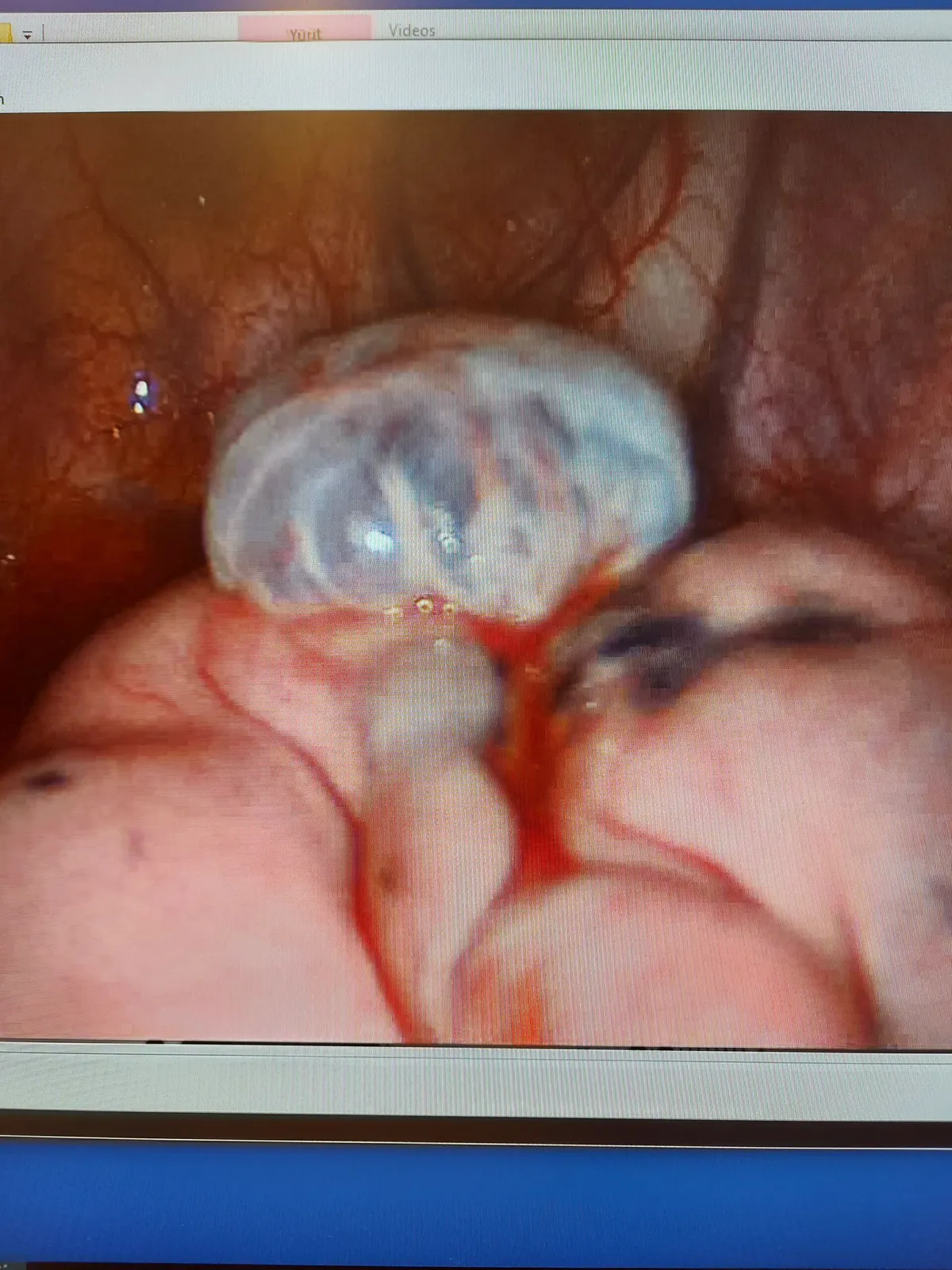
Should a lung air cyst be operated on?
Air sacs in the lung that have grown large, cause shortness of breath or have led to complications need to be removed with surgery. After surgery, patients' shortness of breath improves and their exercise capacity increases.
How should lung air cyst surgery be performed?
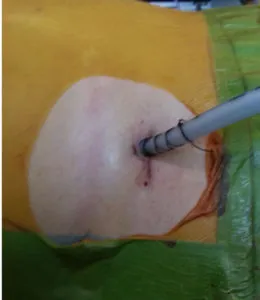
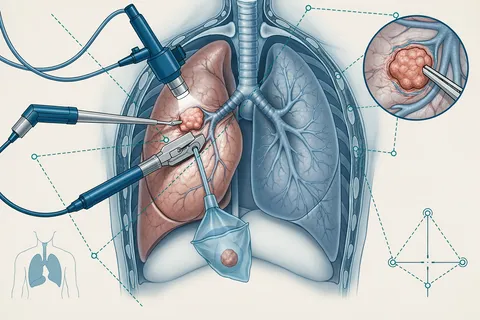
In conditions such as a lung air cyst (bulla), surgery can be performed with an open or closed (endoscopic) approach. Because open surgery is demanding for the patient in itself and has an adverse effect on breathing capacity, it is now recommended that these operations be performed with the closed method.
With the video-assisted thoracoscopic surgery (VATS) method, the chest cavity is entered through a single port and the part or parts of the lung with air cysts are removed. The operation is short, and the results after surgery are favorable.
For detailed information, you can visit our page on the closed surgery method.
What is the difference between a lung cyst and an air cyst?
A lung cyst should not be confused with an air cyst (bulla) in the lung. A lung cyst is filled with fluid. It is almost always a disease of the lung caused by a parasite called Echinococcus, transmitted from carnivorous animals. An air cyst, as the name suggests, is a cyst that contains air.

Prof. Dr. Erdal Okur · Thoracic Surgery
BiographyDo you have a question about this topic? Ask a question