
Thoracic Surgery Diseases

Thoracic surgery is the branch of medicine that deals with the surgical treatment of the lungs, trachea, diaphragm, chest wall and structures in the chest cavity. Diaphragm diseases, chest wall deformities and tumors, mediastinal masses, thymus tumors and diseases of the trachea are among the main conditions evaluated in thoracic surgery.

In these diseases, the need for surgical treatment is determined by the type and extent of the disease and the patient's clinical condition.

What Are the Diseases Treated in Thoracic Surgery?

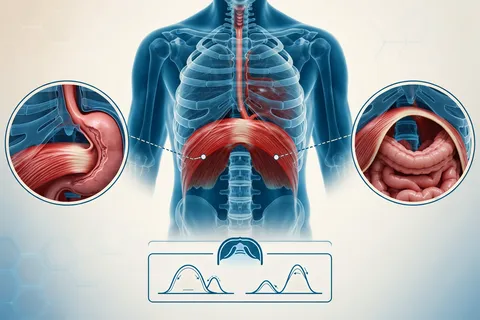
  • Medical illustration of the diaphragm muscle and its diseases

    Diaphragm Diseases

    Diaphragm diseases are conditions that affect the structure or function of the diaphragm, the muscle that separates the chest and abdominal cavities and plays an important role in breathing. Diaphragm paralysis, diaphragmatic hernias and diaphragm ruptures belong to this group.

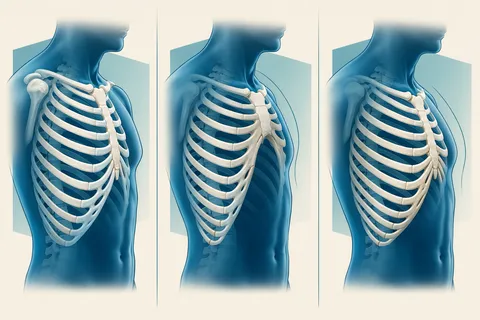
  • Medical illustration comparing chest wall deformities

    Chest Wall Deformities

    Chest wall deformities (pectus deformities) are structural conditions in which the breastbone and ribs develop differently from their normal anatomical appearance. An inward sinking of the breastbone is called pectus excavatum, and an outward protrusion is called pectus carinatum.

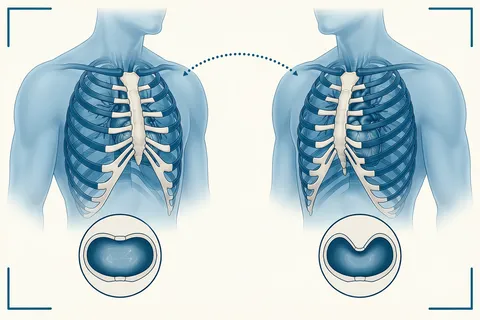
  • Medical illustration showing the inward sinking of the breastbone in funnel chest

    Pectus Excavatum (Funnel Chest)

    Pectus excavatum (funnel chest) is a chest wall deformity in which the breastbone (sternum) sinks inward.

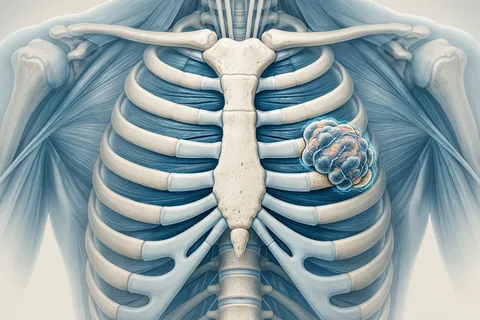
  • Medical illustration showing a tumor arising from a rib in the chest wall

    Chest Wall Tumor

    Chest wall tumors are benign or malignant growths arising from the ribs, breastbone, muscles and other tissues that make up the chest wall. Some tumors develop directly from the chest wall, while others may extend into this area from neighboring tissues.

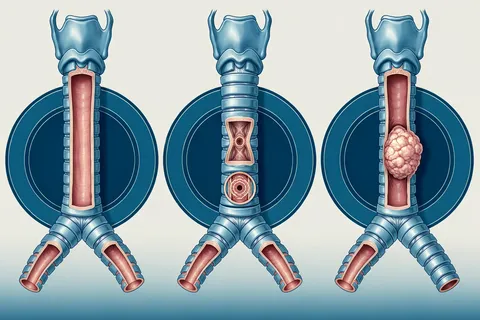
  • Medical illustration comparing a normal, a narrowed and a tumor-bearing trachea

    Trachea (Windpipe) Diseases

    Diseases of the trachea (windpipe) are conditions that affect the structure or openness of the trachea, which carries air to the lungs. Tracheal stenosis, benign or malignant tumors and some structural disorders are among these diseases.

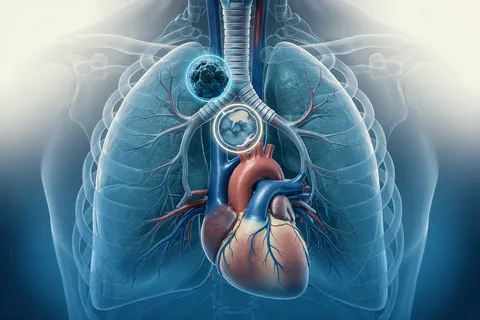
  • Medical illustration showing a mass in the mediastinum

    Mediastinal Masses and Cysts

    Mediastinal masses and cysts are growths that develop in the mediastinum, the area between the two lungs that contains the heart, major blood vessels, the trachea and various tissues. Benign cysts, enlarged lymph nodes and tumors arising from different tissues can be seen in this area.

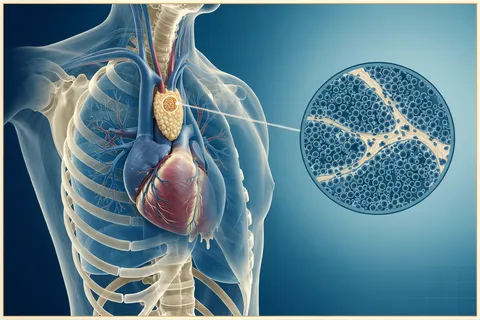
  • Medical illustration showing the thymus gland behind the breastbone and a tumor

    Thymus Tumor

    Thymus tumors are tumors arising from the thymus gland, which lies behind the breastbone and in front of the heart. Thymoma and thymic carcinoma are the main types of thymus tumor and can show different biological features and clinical courses.

What Is Thoracic Surgery?

Thoracic surgery is the medical specialty that deals with the surgical treatment of diseases inside the rib cage and of the chest wall. In addition to the lungs and pleura, various diseases of the trachea, mediastinum, thymus, diaphragm and chest wall also fall within this field.

Although the heart is also located in the chest cavity, surgical treatment of the heart and major blood vessels belongs to a separate specialty, cardiovascular surgery.

Not every disease in thoracic surgery requires an operation. Whether surgical treatment is necessary is determined by evaluating the features of the disease together with the patient's overall health.

When Is Thoracic Surgery Considered?

A thoracic surgery evaluation may be considered when a structural abnormality is found in the chest wall, when a disease affecting the function of the diaphragm is identified, or when a mass or cyst is seen in the mediastinum. Stenosis, a tumor or another structural problem of the trachea that may require surgical intervention may also call for evaluation by a thoracic surgeon.

The need for surgery is not determined by the name of the disease alone. Imaging findings, the location of the disease, its relationship to surrounding tissues, its clinical course and the patient's overall health are considered together.

In some patients, regular follow-up or non-surgical treatments may be sufficient, while in some situations surgical intervention is considered. When needed, a multidisciplinary decision is made together with other specialties.

You can find detailed information on chest wall deformities, diaphragm diseases, mediastinal masses and diseases of the trachea through the disease cards above.

When Should You See a Thoracic Surgeon?

An evaluation by a thoracic surgeon may be appropriate if a chest wall deformity is found, a problem with the movement or structure of the diaphragm is identified, a mass is seen in the mediastinum, or a narrowing or tumor of the trachea is suspected.

Seeing a thoracic surgeon does not always mean that surgery will be performed. The purpose of the evaluation is to determine whether the existing condition requires surgical treatment and which treatment options are appropriate.

Medical content reviewed by: Prof. Dr. Erdal Okur, Thoracic Surgeon
This content has been prepared for general information. Diagnosis and treatment decisions require an individual medical evaluation.

Frequently asked questions

Which diseases does thoracic surgery deal with?

Thoracic surgery deals with diseases of the lungs, pleura, trachea, mediastinum, thymus, diaphragm and chest wall that may require surgical evaluation. This page focuses in particular on diseases of the chest wall, diaphragm, mediastinum, thymus and trachea.

What is the difference between thoracic surgery and cardiac surgery?

Thoracic surgery generally deals with surgical diseases of the structures inside the chest other than the heart, and of the chest wall. Surgical treatment of the heart and major blood vessels is the specialty of cardiovascular surgery.

When is surgery needed for chest wall deformities?

For chest wall deformities, the need for surgery is evaluated according to the degree of the deformity, its effect on heart and lung function, the patient's age and individual situation. Not every pectus deformity requires surgery.

Which specialist should I see if a mass is found in the mediastinum?

When a mass or cyst is found in the mediastinum, it can be evaluated by a thoracic surgeon. Depending on the features of the mass, the opinion of other specialties such as radiology, pulmonology, hematology or oncology may also be needed.

Do diaphragm diseases fall within thoracic surgery?

Yes. Diaphragm paralysis, some diaphragmatic hernias, diaphragm ruptures and other structural disorders can be evaluated within thoracic surgery. Depending on the type of disease and its location, other surgical specialties may also take part in treatment.

Is tracheal stenosis treated by thoracic surgery?

Yes. Some types of tracheal stenosis can be treated by thoracic surgery. However, not every stenosis requires surgery; endoscopic or surgical treatment options are evaluated according to the cause, length and location of the narrowing and the patient's clinical condition.

Explore the site