A chest tube is used to drain fluid or air that collects in the chest, usually after thoracic surgery or lung surgery.
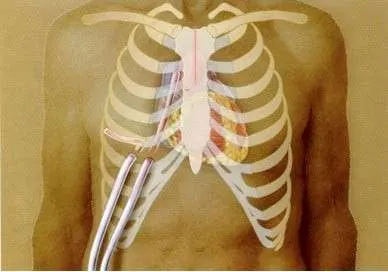
Air or fluid (for example, blood or infected fluid) that collects in the space between the lungs and the chest wall (the pleural space) can cause the lung to collapse.
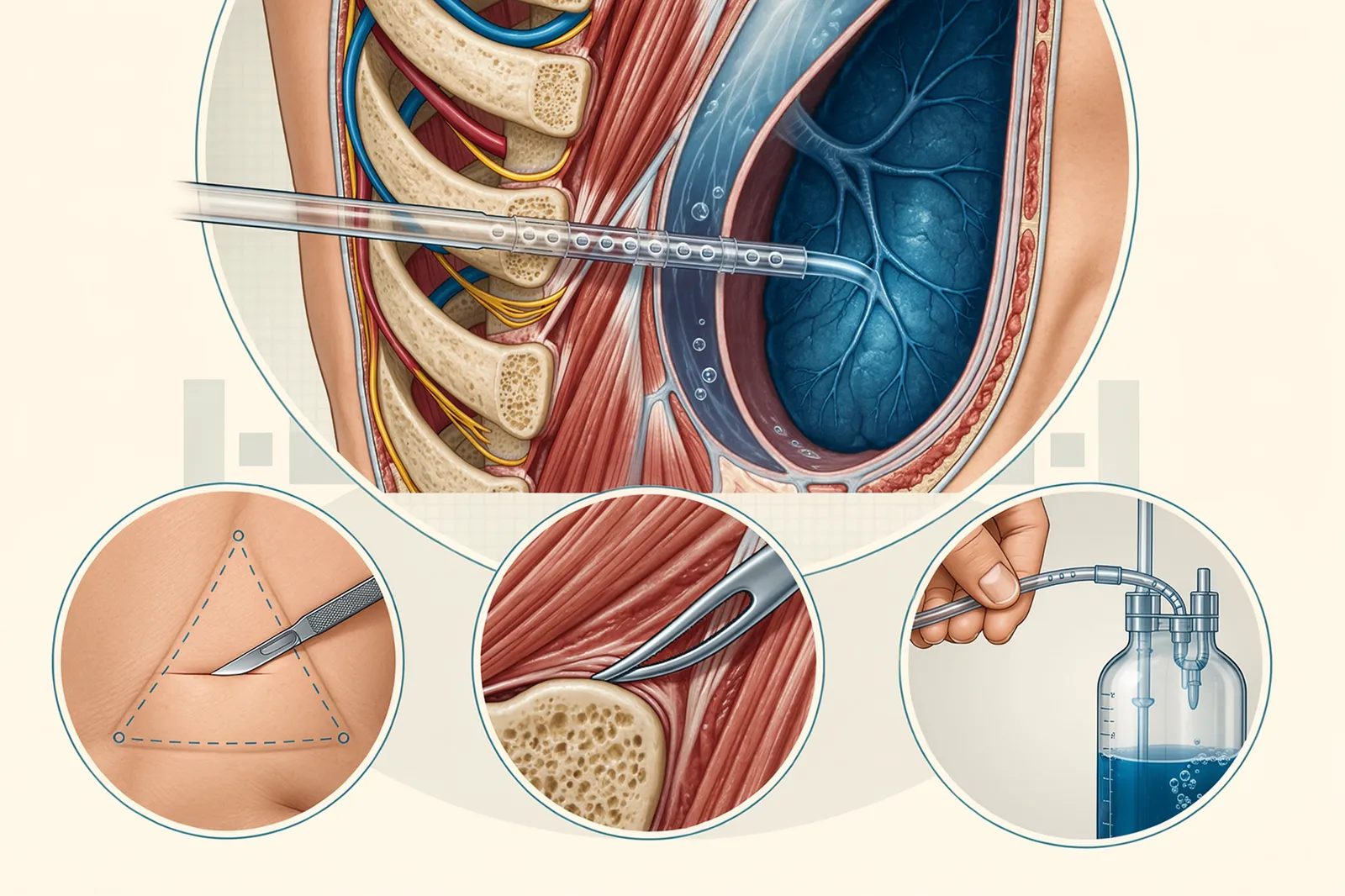
Chest tubes can be placed at the end of a surgical procedure while the patient is still asleep from anesthesia, or at the bedside using a local pain reliever and some sedation. Chest tubes come in various shapes and sizes. Depending on what they are needed for, their diameter can range from 1-2 millimeters up to 1-2 cm.
Chest tubes are usually connected to closed drainage systems that collect the fluid and allow air to escape from the chest. These systems work like a one-way valve: they let fluid and air leave the patient's chest cavity while preventing that fluid or air from getting back in.
When is a chest tube used?
Pleural Effusion: Used to drain excess fluid that has collected in the chest cavity (between the layers of the membrane called the pleura). This fluid may have built up because of an infection, trauma, cancer or other causes.
Pneumothorax: When air leaks into the chest cavity outside the lung and prevents the lung from expanding, the condition is called pneumothorax. A chest tube is used to release this excess air and pressure.
Empyema: When infection or pus collects in the lung or pleural space, a chest tube is used to drain the pus and treat the infection.
Hemothorax: Blood can collect inside the chest due to chest trauma and sometimes other causes. This blood needs to be removed from the body by placing a chest tube.
Postoperative Drainage: After thoracic surgery or lung surgery, a chest tube may be placed as a precaution in case fluid or air collects at the surgical site. This is done to prevent or treat complications after surgery.
How is a chest tube placed?
A chest tube may be placed after closed or open surgery, depending on the surgical approach used, or, in procedures done only for treatment without surgery, it is inserted through a small incision in the skin.
The tube is used to drain fluid or air that has collected in the chest cavity into a drainage bag. A chest tube plays a vital role in treating such serious health problems or supporting recovery, and depending on the patient's condition it may stay in place for a few days, or rarely for a few weeks. The chest tube is removed once the patient's condition has improved.

Prof. Dr. Erdal Okur · Thoracic Surgery
BiographyDo you have a question about this topic? Ask a question