
Thoracic Surgery
Lung Surgery
We explain in plain language which conditions may require lung surgery, which methods are used and how the process unfolds.
Explore the methods
Lung Surgery Methods
Depending on the disease and the patient's clinical condition, lung surgery can be performed with open or minimally invasive (VATS, single-port) methods.
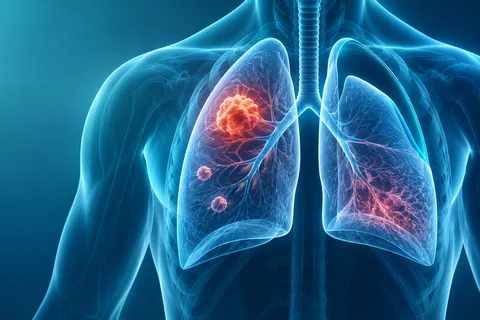
Lung Surgery Diseases
Lung surgery deals with diseases of the lungs, bronchi and pleura. Surgery may be considered for lung cancer, nodules, cysts and pneumothorax.
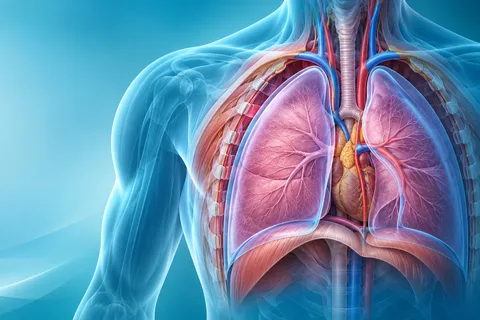
Thoracic Surgery Diseases
Thoracic surgery deals with the surgical treatment of the lungs, trachea, diaphragm, chest wall and structures in the chest cavity. Review the main conditions.
What Is Lung Surgery?
Lung surgery is the surgical removal of diseased tissue that develops in the lung or chest cavity. It is most often considered for lung cancer, lung nodules, masses, cysts and collapsed lung. The operation can be performed with an open method or with a minimally invasive method through small incisions; which one is appropriate is decided by evaluating the disease and the patient together.
The aim of surgery is not only to remove diseased tissue. Preserving as much healthy lung tissue as possible and maintaining the patient's breathing capacity after surgery are also part of the goal. In lung cancer, the lymph nodes to which the tumor may spread are also evaluated, and the stage of the disease is determined according to the international TNM system. The amount of tissue removed also varies from patient to patient: in wedge resection and segmentectomy a small part of the lung is removed, in lobectomy one lobe, and in pneumonectomy the entire lung.
Which Conditions May Require Lung Surgery?
Not every lung disease requires surgery. Many are controlled with medication or follow-up. Surgery is considered when a condition cannot be controlled with medication, when tissue is needed to confirm the diagnosis, or when removing the disease is the basis of treatment. The main conditions include:
- Lung cancer: Especially in the early stage, surgery is one of the main treatment options.
- Lung nodule: Depending on the features of a nodule seen on CT, a decision is made for follow-up or surgery.
- Mass in the lung and lung cysts
- Lung metastasis: Surgery is considered in carefully selected patients.
- Pneumothorax (collapsed lung) and bulla (lung air cyst)
- Pleural diseases, empyema and mesothelioma
- Bronchiectasis
- Mediastinal masses and cysts and thymus tumor
- Lung surgery in infants
For the full list, see the Lung Surgery Diseases page; for diseases of the trachea, diaphragm and chest wall, see the Thoracic Surgery Diseases page.
Lung Surgery Methods
Lung operations are performed mainly with open and minimally invasive methods. The choice depends on the stage of the disease, the location and extent of the tumor, and the patient's overall health. Details are on the Lung Surgery Methods page.
Open surgery (thoracotomy): The classic method, in which the chest is opened between the ribs. It can still be an appropriate option today for large tumors, spread to surrounding tissues or complex operations. Open lung surgery
Minimally invasive surgery (VATS): Video-assisted thoracoscopic surgery is performed through small incisions in the chest wall using a camera and special instruments. Because the ribs are not spread widely, pain may be less and the return to daily life may be faster in suitable patients. Closed lung surgery · VATS
Single-port minimally invasive surgery (single-port VATS): A form of minimally invasive surgery in which the camera and instruments are used through a single small incision. In the international literature it is known as uniportal VATS. It is not suitable for every patient; the decision is made through individual evaluation. Single-port VATS
The details of surgical planning in lung cancer are explained on the Lung Cancer Surgery page.
The Surgical Process
Preoperative evaluation: First, the disease must be correctly identified. Depending on the patient, this includes computed tomography, PET-CT, bronchoscopy, lymph node evaluation with EBUS or mediastinoscopy when needed, pulmonary function tests, and cardiology and anesthesia evaluations. In lung cancer, the plan is made at a tumor board, where specialists in thoracic surgery, pulmonology, medical oncology, radiation oncology, radiology and pathology evaluate the case together. The international NCCN guidelines also recommend detailed staging before a surgical decision.
Day of surgery: The length of the operation depends on the extent of the procedure. At the end of the operation, before the patient wakes from anesthesia, a chest tube may be placed to drain air and fluid that may collect in the chest cavity.
Hospital stay: The aim is to get patients out of bed as early as possible and to start breathing exercises. The chest tube is removed when the lung has fully expanded and the air leak has stopped. The length of the hospital stay depends on the extent of the operation, the method and the pace of recovery.
Recovery: After discharge, patients return to daily activities gradually. Regular walking, breathing exercises, quitting smoking completely and keeping follow-up appointments are recommended. Heavy lifting is avoided for a while. After lung cancer surgery, additional treatment may be planned with medical oncology based on the pathology result.
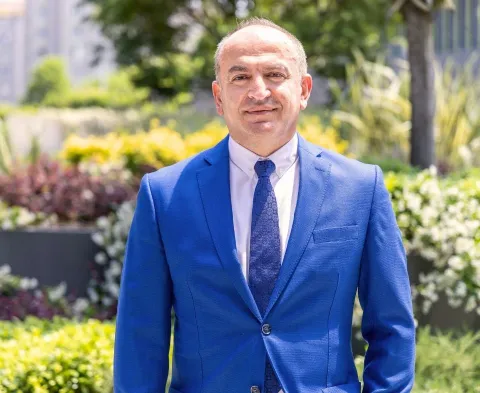
Prof. Dr. Erdal Okur
Prof. Dr. Erdal Okur graduated from Marmara University School of Medicine in 1992 and completed his thoracic surgery training at Süreyyapaşa Thoracic Surgery Center. In 1999 he worked on lung cancer at Memorial Sloan-Kettering Cancer Center in New York, and in 2007 on endoscopic lung surgery and lung transplantation at Washington University Barnes-Jewish Hospital in St. Louis. Since 2011 he has continued his work at Acıbadem Healthcare Group and the Department of Thoracic Surgery, Acıbadem University School of Medicine; he sees patients at Acıbadem Ataşehir Hospital. For more information, see the biography and scientific publications pages.
You can send your questions through the Ask a Question page, and find the contact details to arrange an appointment.
Frequently asked questions
Does every patient with lung disease need surgery?
No. Most lung diseases can be controlled with medication or follow-up. Surgery is used only in patients for whom it is considered necessary. The decision to operate is made by evaluating the type and extent of the disease together with the patient's overall health. A nodule or mass seen on CT does not by itself mean that surgery is needed; its cause must be investigated in detail.
Can lung surgery be performed with a minimally invasive method?
Yes. In suitable patients, many lung operations can be performed with minimally invasive methods such as video-assisted thoracoscopic surgery (VATS) or single-port VATS. However, not every patient is a candidate for minimally invasive surgery. The method is determined by the size and location of the tumor and the patient's overall condition.
When is open lung surgery needed?
Open surgery (thoracotomy) may be the more appropriate option when the tumor is large, has spread to nearby organs or involves major blood vessels, when there are dense adhesions from previous operations, or in some complex surgical procedures. The method is chosen after a detailed evaluation of the patient's condition. There is also a form of open surgery performed through a smaller incision, called muscle-sparing thoracotomy.
What are the risks of lung surgery?
As with any surgical procedure, lung surgery carries risks. Bleeding, infection, air leak and anesthesia-related complications can occur. The level of risk depends on the patient's age, lung capacity, other medical conditions and the extent of the operation. The purpose of the preoperative evaluation is to reduce these risks.
When can I return to normal life after lung surgery?
Recovery depends on the operation performed. Patients are encouraged to walk early and return to daily activities gradually. A return to strenuous physical activity is planned according to the doctor's advice. Full recovery time depends on the extent of surgery and the patient's overall health. During this period, regular breathing exercises and avoiding smoking are recommended.
Does the lung grow back after lung surgery?
Removed lung tissue does not grow back. However, over time the remaining lung tissue can work more efficiently and adapt to meet the body's oxygen needs. This process varies with the patient's age, breathing capacity and lifestyle. For this reason, the adequacy of the remaining lung is assessed with pulmonary function tests before surgery.
Contact
- Phone
- (0216) 512 44 44
- erdalokur@gmail.com
- Hospital
- Acıbadem Ataşehir Hospital, Istanbul