What Is Mesothelioma? Symptoms, Types and Treatment
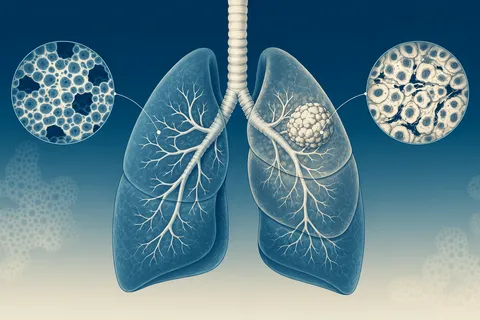
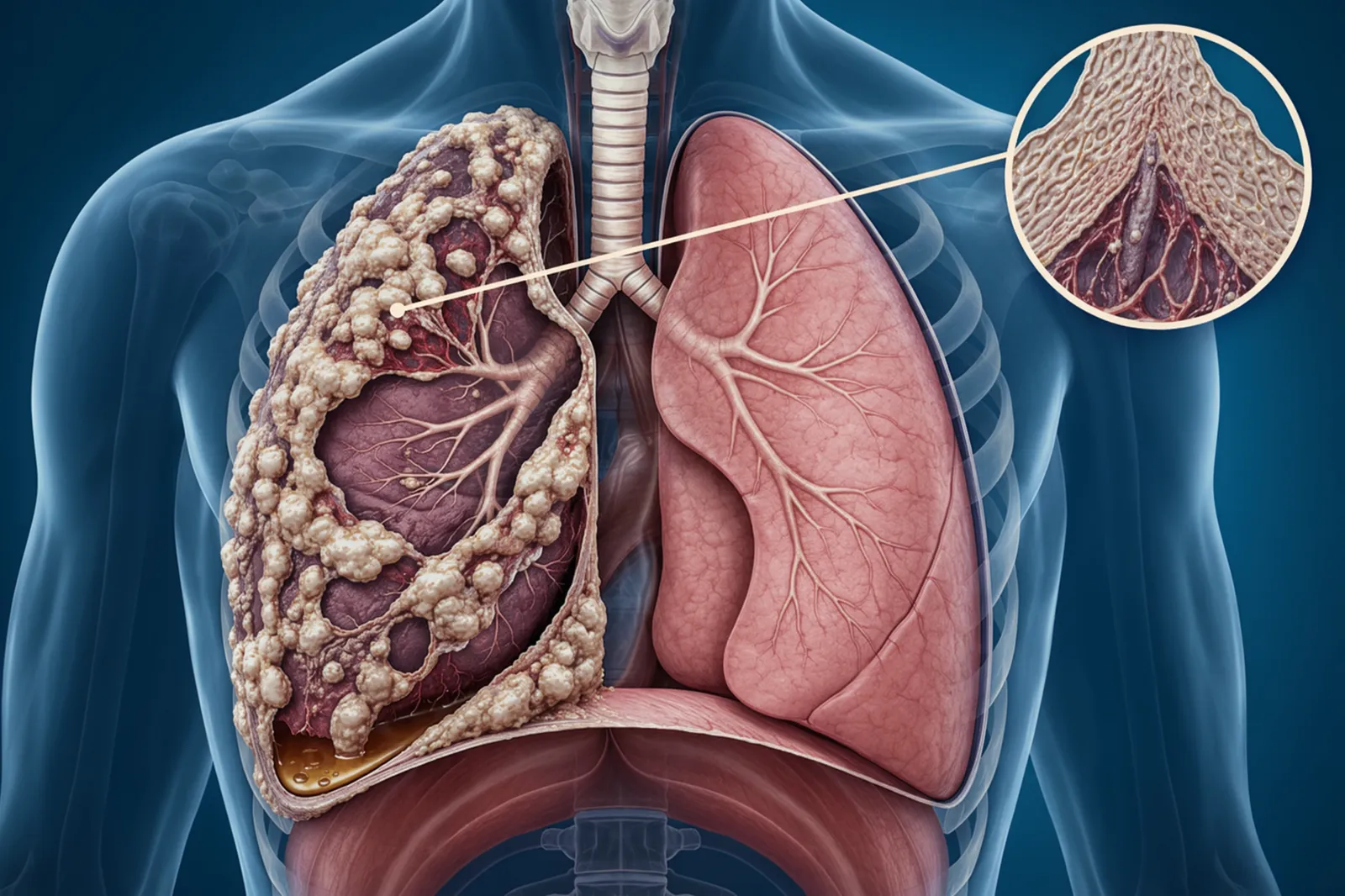
Mesothelioma is a rare but aggressive type of cancer that arises from the "mesothelial" tissues that line internal organs, such as the pleura (lining of the lung), the peritoneum (lining of the abdomen) or the pericardium (lining of the heart). It most often develops in the pleura, the membrane surrounding the lungs, and is therefore called "malignant pleural mesothelioma." The most important risk factor is asbestos exposure.
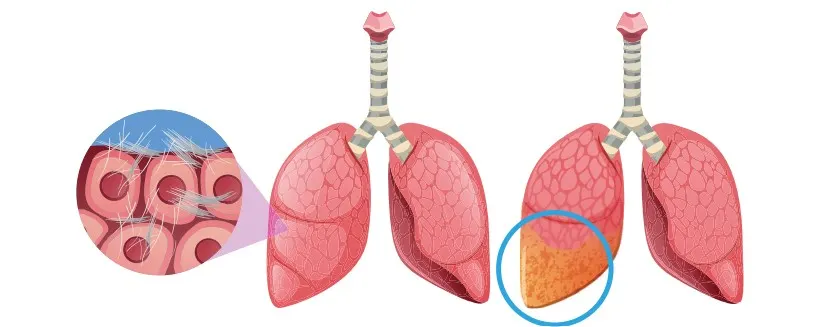
In this article, we will discuss in detail what mesothelioma is, whether mesothelioma is cancer, how long people with mesothelioma live, whether mesothelioma can be treated and what the types of mesothelioma are.
Malignant pleural mesothelioma (MPM) is a rare type of cancer that develops in the membranes of the lung we call the pleura.
What Is Mesothelioma?
Mesothelioma is a tumor, usually malignant, that originates from a membrane tissue called the mesothelium. This membrane tissue is a protective layer that surrounds internal organs and reduces friction. Mesothelioma usually develops in the pleura and rarely in the lining of the abdomen (peritoneum) or the lining of the heart (pericardium).
The disease usually progresses insidiously. The first symptoms can be mistaken for other diseases, which delays diagnosis.
Is Mesothelioma Cancer?
Malignant pleural mesothelioma, the most common form of mesothelioma, is a serious type of cancer. Moreover, it is a cancer that follows a rather aggressive course, is resistant to treatment and is rarely diagnosed at an early stage. Malignant pleural mesothelioma develops in the pleura. It is more common in people who have been exposed to asbestos and in those living in places in Anatolia where a special white soil is found.
How Long Do People with Mesothelioma Live?
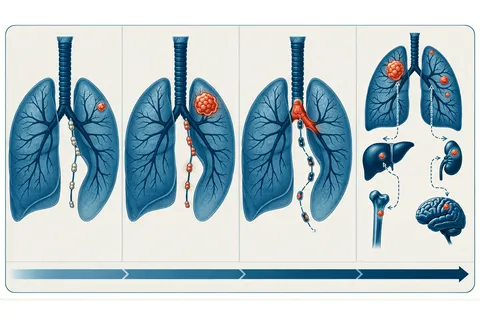
Survival in mesothelioma varies according to the stage of the disease, its spread, the response to treatment and the patient's overall health. Unfortunately, because mesothelioma is usually diagnosed at a late stage, survival may be limited.
Average survival times are as follows:
- The average survival after diagnosis is between 12 and 24 months.
- This period may be longer in patients diagnosed at an early stage who are candidates for surgery.
- With chemotherapy and immunotherapy, survival of up to 36 months can be achieved in some patients.
- Although rare, long-term survival can be seen, especially in patients with the epithelioid subtype who respond well to treatment.
Can Mesothelioma Be Treated?
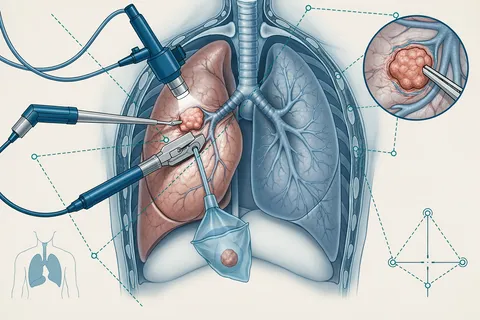
Mesothelioma is, in most cases, not a completely curable disease, but treatment can prolong survival and improve the patient's quality of life. Treatment options are determined according to the stage of the disease, the patient's general condition and the type of tumor.
The main treatment methods are:
Surgery:
It can be performed in patients diagnosed at an early stage whose disease has not spread.
The aim is to remove the tumor completely (such as pleurectomy/decortication or more extensive operations).
Chemotherapy:
It is the most commonly used systemic treatment method.
A combination of pemetrexed and cisplatin is usually used.
It helps shrink the tumor or slow its growth.
Radiotherapy:
It can be used after surgery to achieve local control or to relieve symptoms such as pain.
Immunotherapy:
In recent years, drugs that activate the immune system against the tumor have shown promising results in the treatment of mesothelioma.
Supportive Treatments:
Symptom-focused treatments such as draining pleural fluid to relieve shortness of breath, pain control and nutritional support are also provided.
What Are the Types of Mesothelioma?
When examined under a microscope, mesothelioma is divided into 3 main types according to its cellular structure. This classification can affect the response to treatment and survival:
Epithelioid Mesothelioma:
It is the most common type.
It has a better course than the other types and responds better to treatment.
Sarcomatoid Mesothelioma:
It is less common.
It has a more aggressive course and is resistant to treatment.
Biphasic (Mixed) Mesothelioma:
It contains a mixture of both epithelioid and sarcomatoid cells.
Its response to treatment varies.
What Causes Mesothelioma? The Most Important Risk: Asbestos
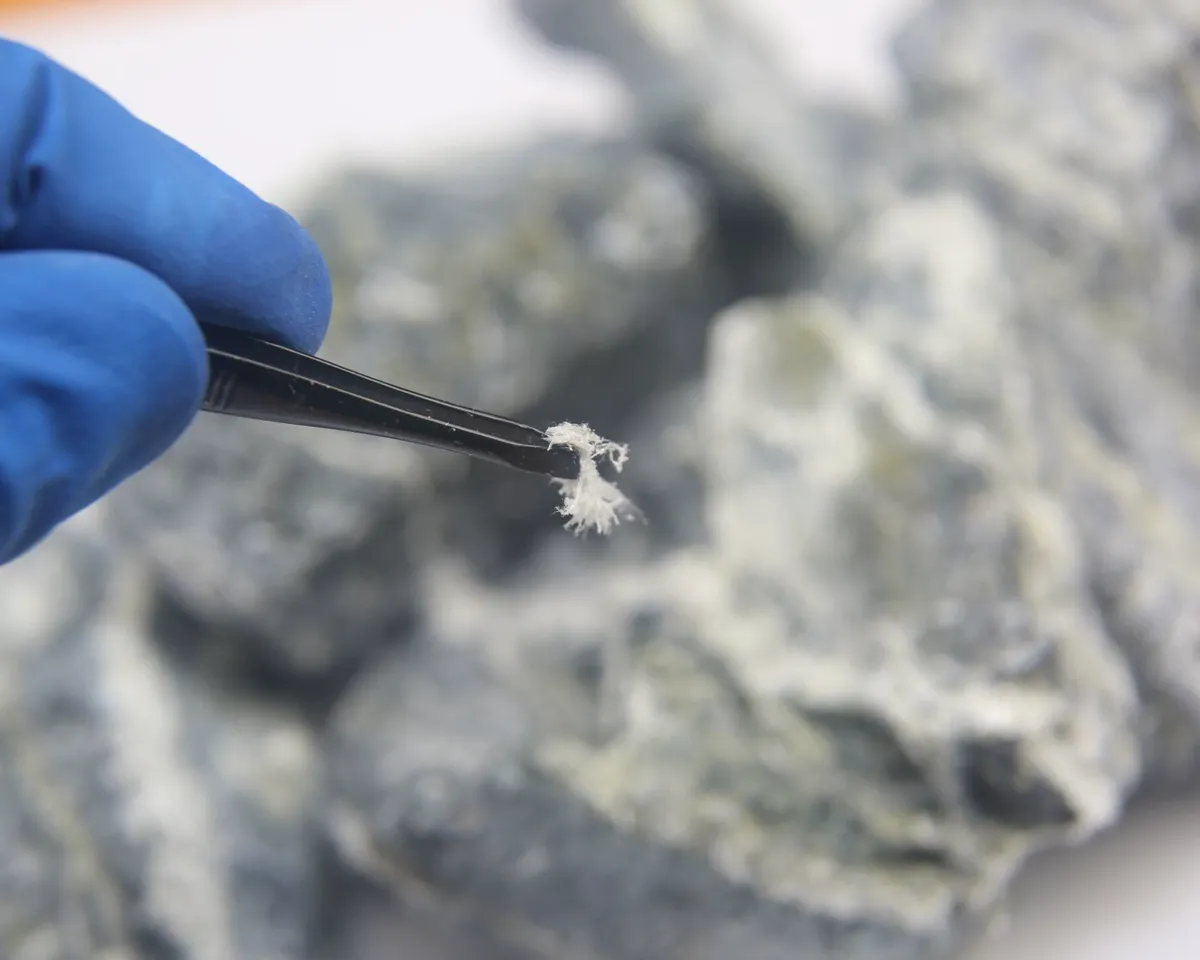 Asbestos fibers can float in the air as tiny particles and are taken into the lungs by people who breathe that air. The tiny asbestos fibers that move toward the outer part of the lungs and pass into the pleura cause cancer to develop as a result of the irritation and chronic inflammation they create there.
The biggest cause of mesothelioma is asbestos exposure. Asbestos is a mineral that was widely used in the past in construction, shipbuilding, insulation and the automotive industry. When asbestos fibers are inhaled, they can settle in the pleura and lead to mesothelioma years later.
It can take 20-50 years for mesothelioma to appear after asbestos exposure. Because of this long delay, the disease is usually advanced by the time it is diagnosed.
In Turkey and some Mediterranean countries, another cause of malignant mesothelioma is an asbestos-like substance called erionite, which occurs naturally in some regions, especially in white soil. Mesothelioma is endemic in some areas of Central Anatolia where this soil is found.
Early Diagnosis of Mesothelioma Can Save Lives
Mesothelioma is a rare but extremely serious type of cancer. Especially in people with a history of contact with asbestos, if there are symptoms such as breathing difficulty, chest pain or weight loss, a thoracic surgery specialist should be consulted without delay.
With early diagnosis and appropriate treatment, patients' survival can be prolonged and symptoms can be brought under control.
Note: This content is for informational purposes. If you suspect mesothelioma or think you are at risk, it is important to consult a specialist physician.

Prof. Dr. Erdal Okur · Thoracic Surgery
BiographyDo you have a question about this topic? Ask a question